Sonderausstellungen auf dem 5. Klimafestival für die Bauwende
The construction revolution is more than just technology; it's a creative movement that's rethinking and redesigning our built environment. Throughout the Klimfestival für die Bauwende , you can experience in special exhibitions how ideas become concrete solutions, how research meets creative power, and how forward-thinking translates into practical application.
From the “water bank” and sustainable materials at MATTERIALISTA to student future projects and the Werkbund Positions – inspiration awaits everywhere, inviting you to marvel, discuss, and participate.
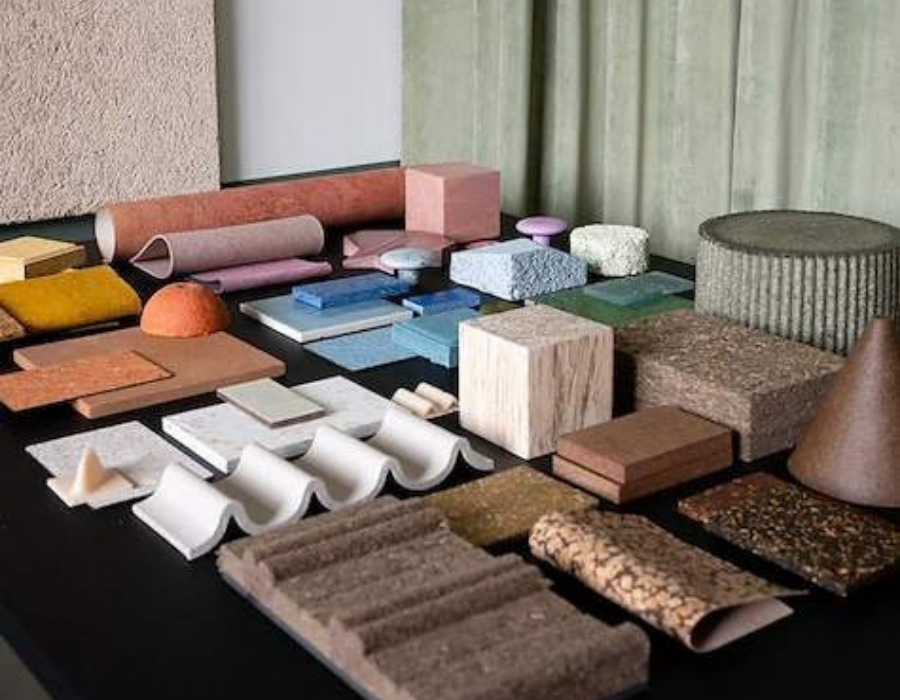
MATTERIALISTA – Der Hub für nachhaltige Innenarchitektur
Materialbibliothek und Designstudio für eine zirkuläre Zukunft
MATTERIALISTA is a center for sustainable and circular interior design. Its extensive materials library, space for industry-related workshops, and design studio bring together the themes of sustainability, circular economy, biophilia, and well-being in interiors. The goal is to inspire designers and companies to create better and healthier spaces.
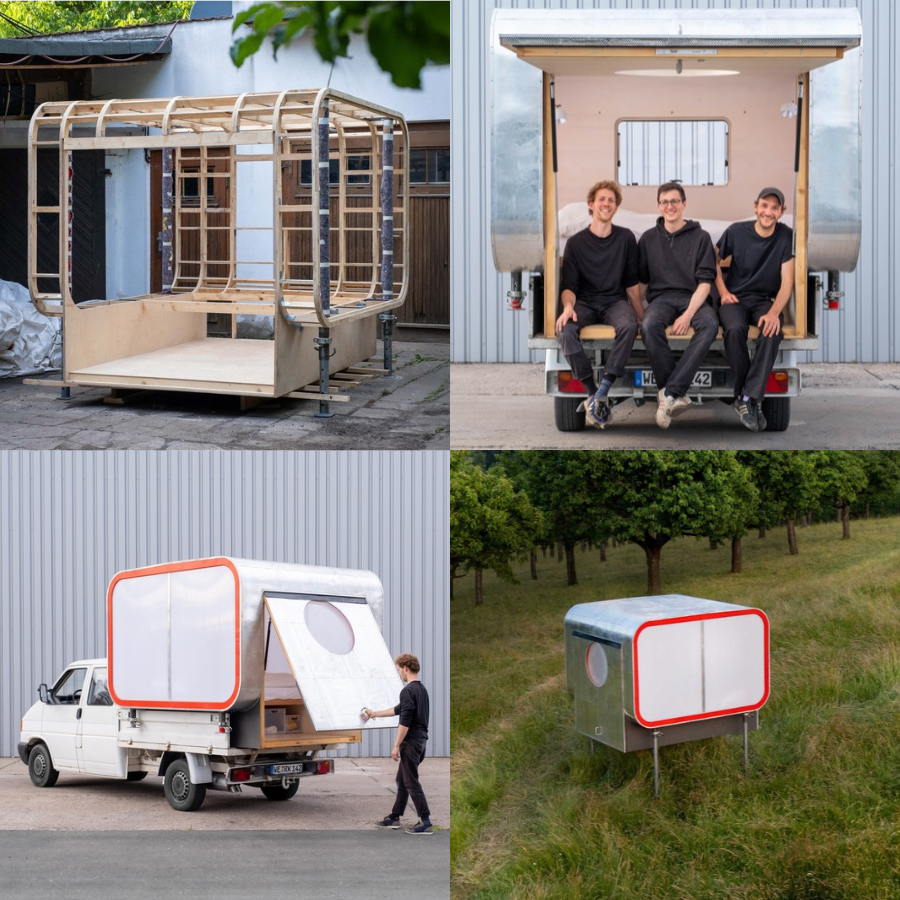
UDO, Unidentified Driving Object
Eine mobile Wohn- und Arbeitskabine aus wiederverwendetem Aluminium und Holz
One of the winning projects of the "10qm Baukultur" competition of the Federal Foundation for Building Culture by Adrian Sauer and Tim Gebhardt shows how urban ecology comes to life in the smallest of spaces.
Here, gray asphalt is transformed into a living space. The water bank collects rainwater under its butterfly roof, stores it in a 1,000-liter tank, and releases it in measured amounts to plants, but only when someone takes action. Its goal: to use space more wisely, conserve water in urban spaces, and provide food for thought. Built from recycled materials and painted bright yellow, it transforms sealed surfaces into vibrant spaces and poses a central question: Who owns urban space—and how do we want to shape it?
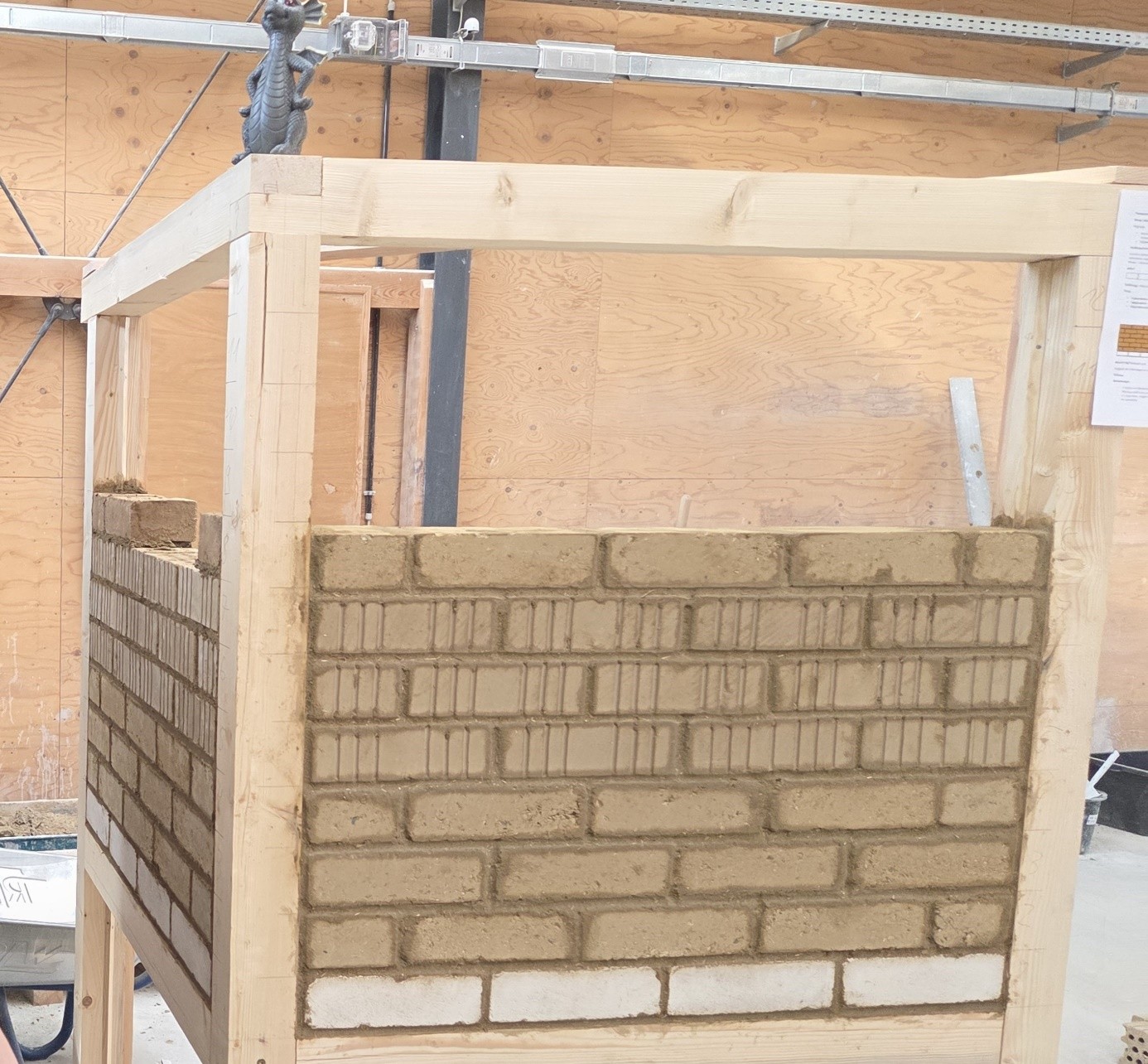
Lehm lernen: Bauausbildung zum Anfassen
Eine Lehmfachwerkwand entsteht, fällt und wird zu neuen Steinen.
One of the winning projects of the "10qm Baukultur" competition of the Federal Foundation for Building Culture by Adrian Sauer and Tim Gebhardt shows how urban ecology comes to life in the smallest of spaces.
Here, gray asphalt is transformed into a living space. The water bank collects rainwater under its butterfly roof, stores it in a 1,000-liter tank, and releases it in measured amounts to plants, but only when someone takes action. Its goal: to use space more wisely, conserve water in urban spaces, and provide food for thought. Built from recycled materials and painted bright yellow, it transforms sealed surfaces into vibrant spaces and poses a central question: Who owns urban space—and how do we want to shape it?
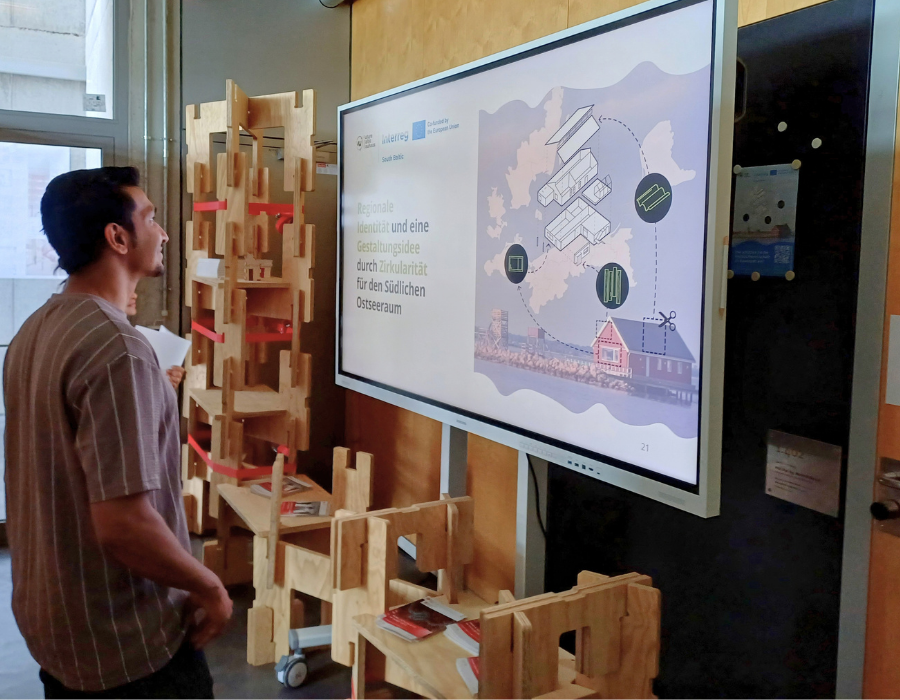
Holzbau, Reuse & Digitalisierung
Wie verändern Digitalisierung und Wiederverwendung von Bauteilen das Planen und Bauen?
How can sustainable construction be implemented in concrete terms?
In the " Sustainable Learning " project, students first visit a construction site to analyze conventional building products and structures. Based on these observations, they develop constructive improvements that focus on climate and resource conservation. In small teams, they create realistic, full-scale models that serve as teaching materials for future classes and are exhibited at the Climate Festival. In this way, sustainable construction is not only conceived, but also built and experienced.
This measure is co-financed with European Union funds and co-financed with tax revenues on the basis of the budget approved by the Saxon State Parliament.
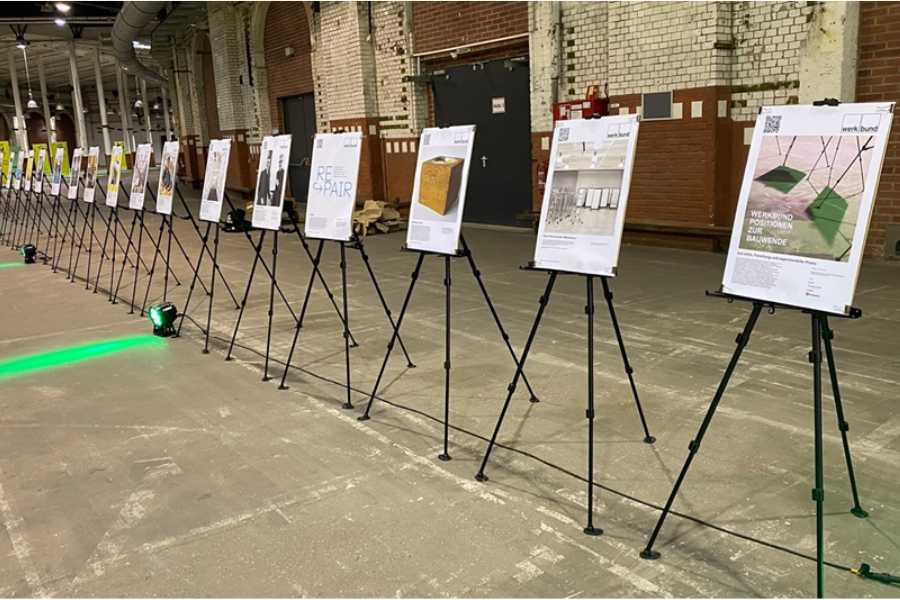
Positionen zur Bauwende
aus Lehre, Forschung, Handwerk und experimenteller Praxis
The exhibition “ Werkbund Positions on the Construction Revolution ” presents a broad panorama of current ideas for sustainable design, responsible construction and social change.
Over 40 contributions from academia, crafts, architecture, design and art provide insights into research, education and experimental practice.
Initiated by the German Werkbund eV, the exhibition in the foyer reveals what happens when disciplines work together: with courage, responsibility, and a shared vision for a livable, designed future.