
Klimafestival 2025 ends with a clear message for responsibility, courage and collective change
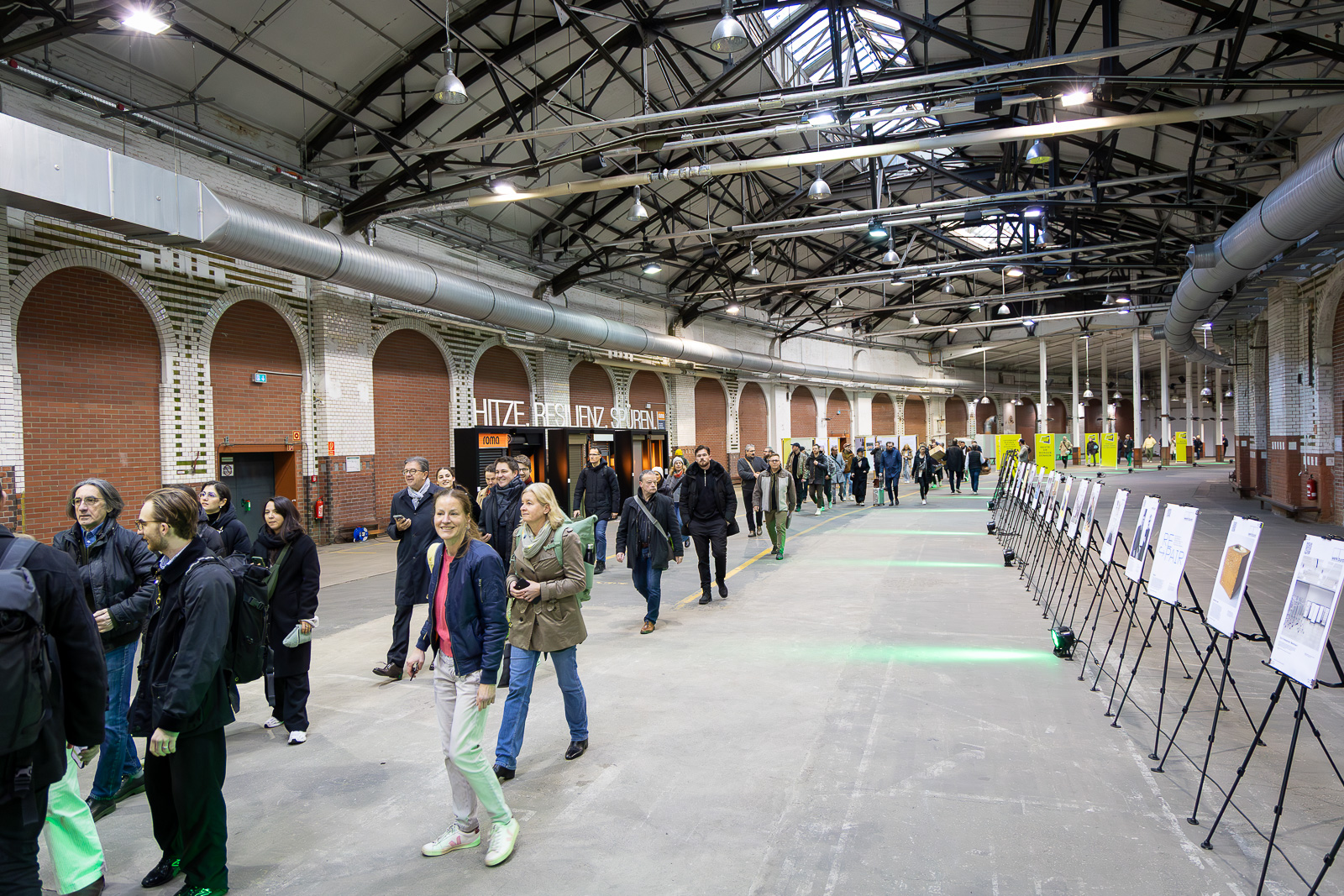
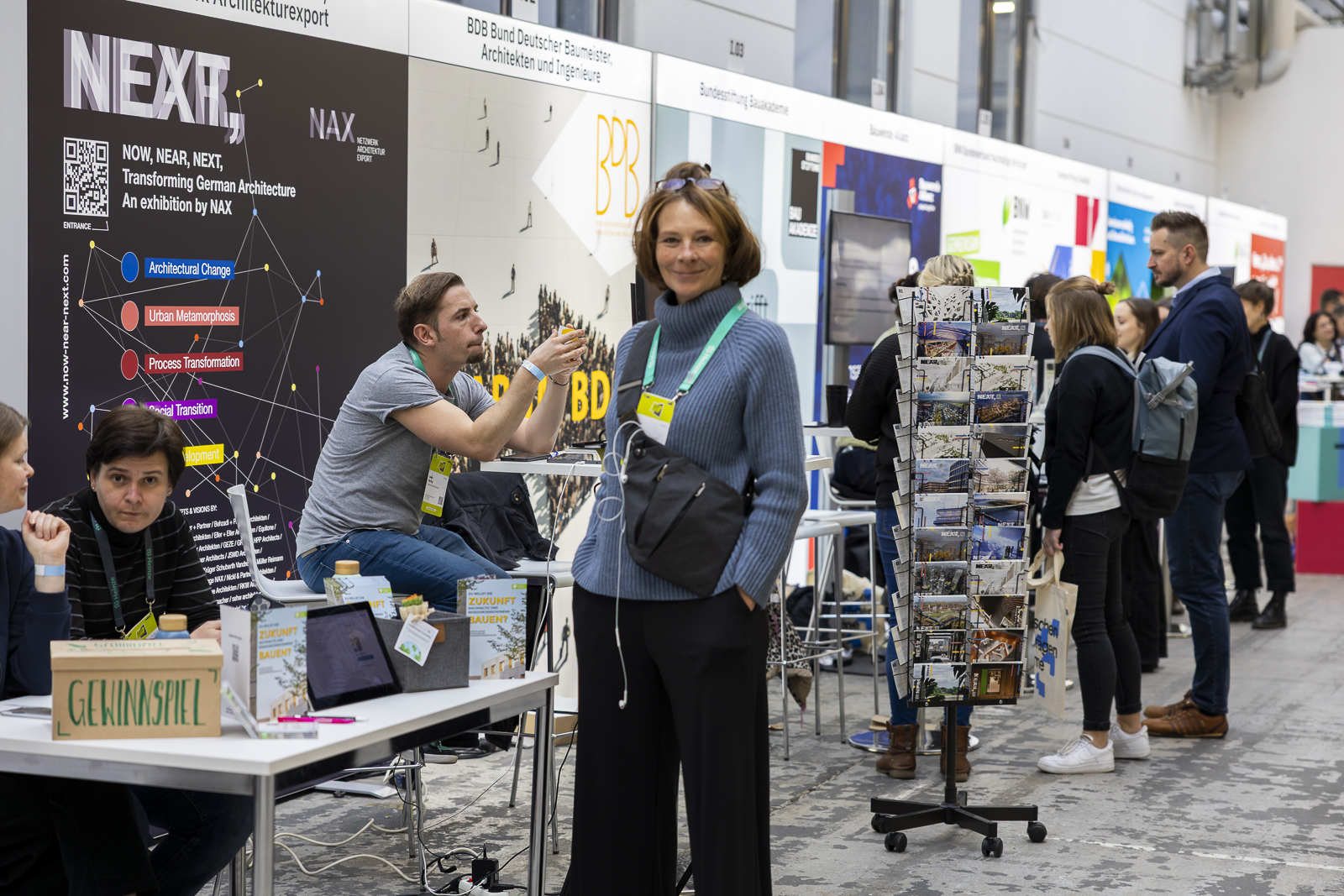
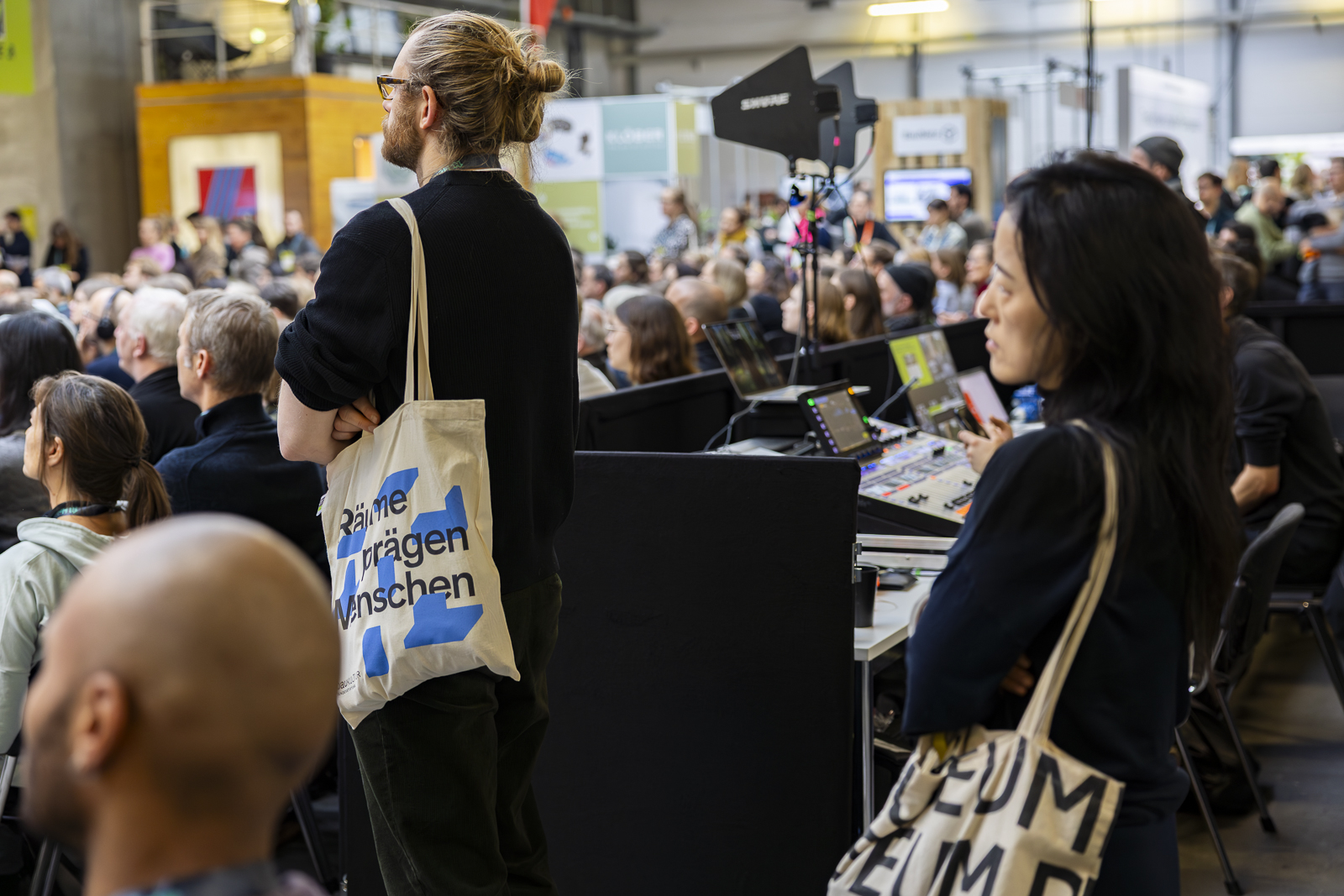
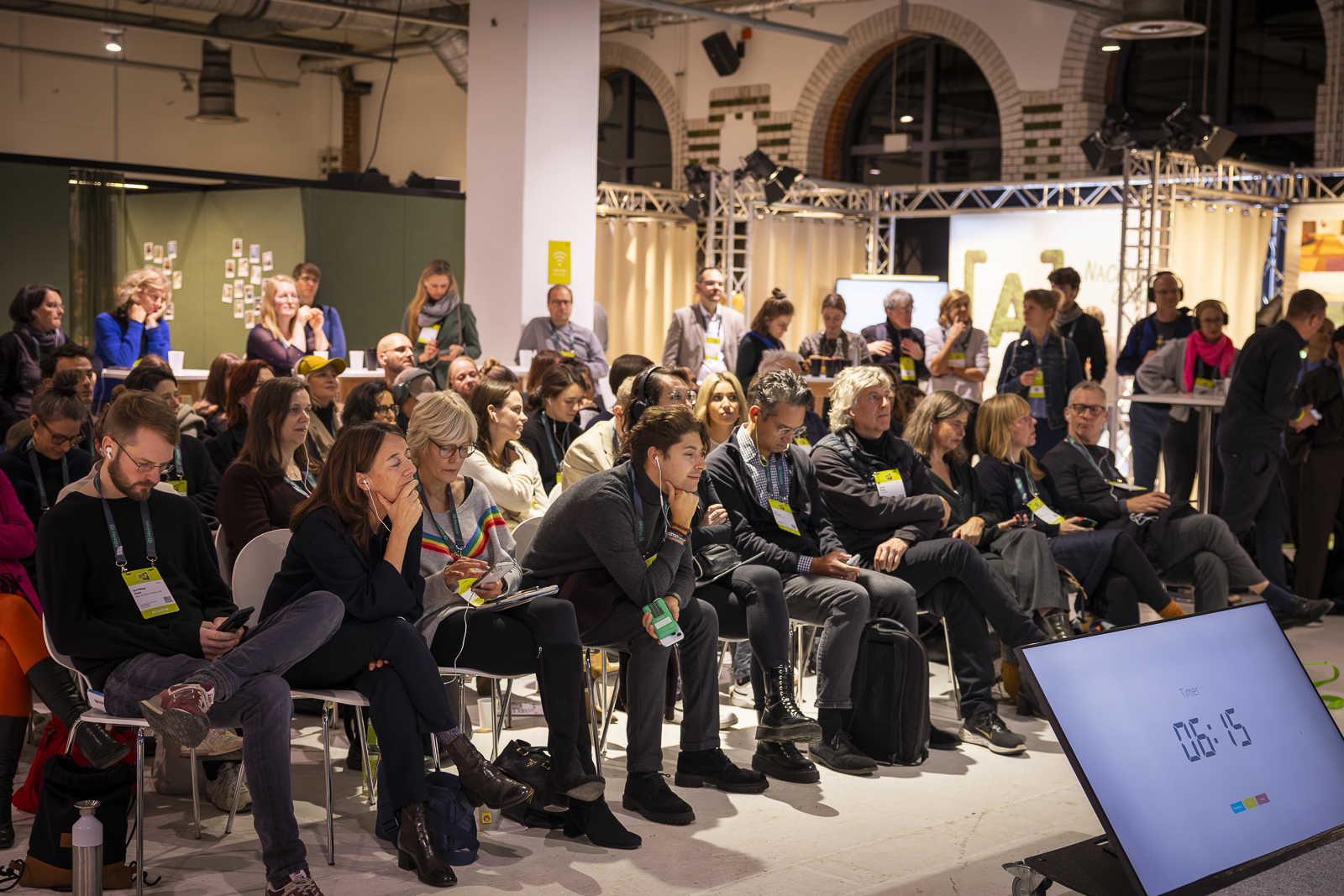
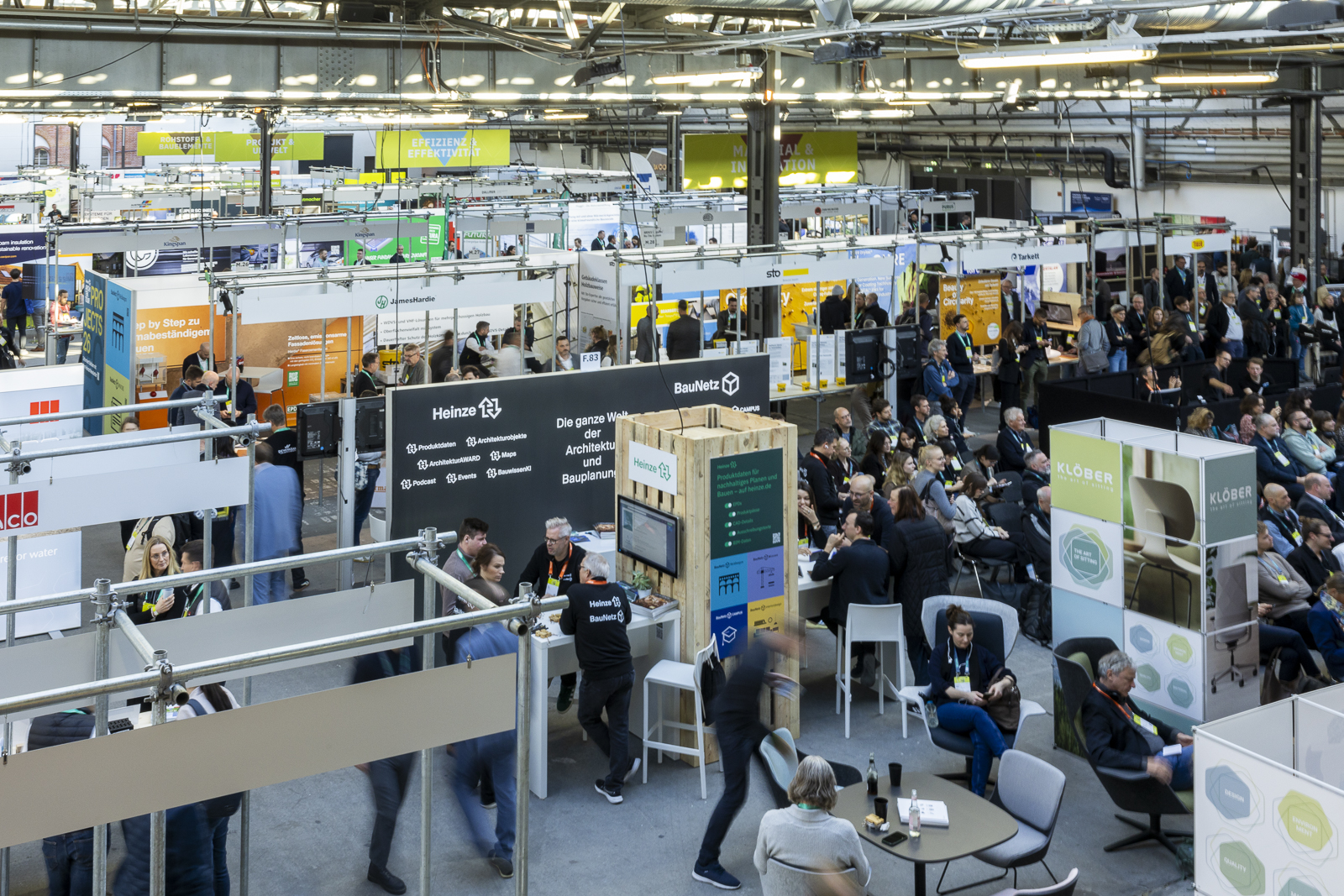
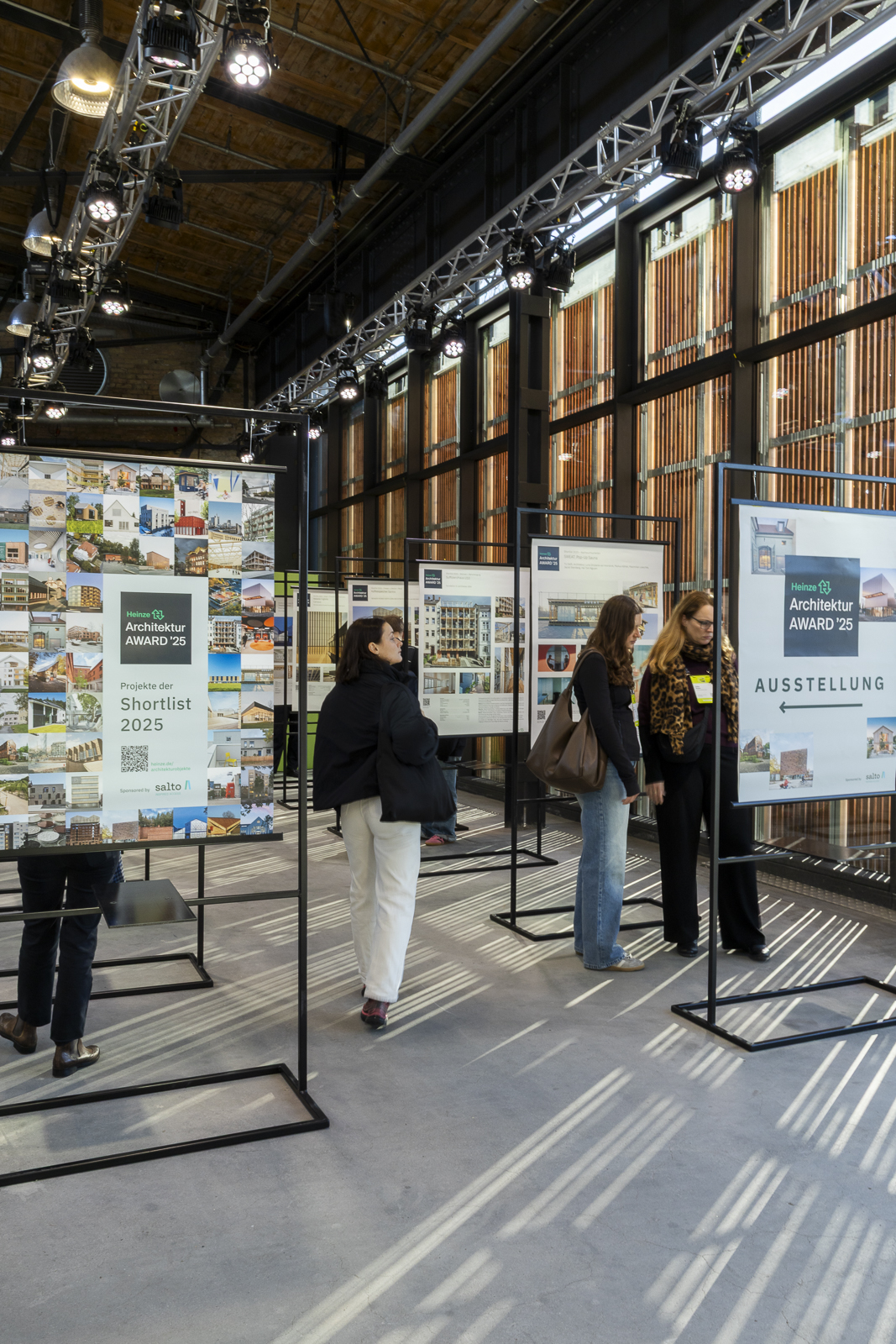
An expanded and diverse program opened up new perspectives, the GREENTERIOR exhibition set fresh thematic priorities, and more than 3,600 visitors demonstrated the continued high level of interest in the construction revolution. Two intensive days transformed STATION Berlin into a hub of vibrant debate. Over 200 speakers and 170 partners discussed the future of construction on five stages, making it clear that the festival has become a firmly established meeting place for everyone driving the construction revolution forward. The construction revolution is no longer merely a technical field, but rather a cultural, social, and political process of change that demands a stance and strengthens community.
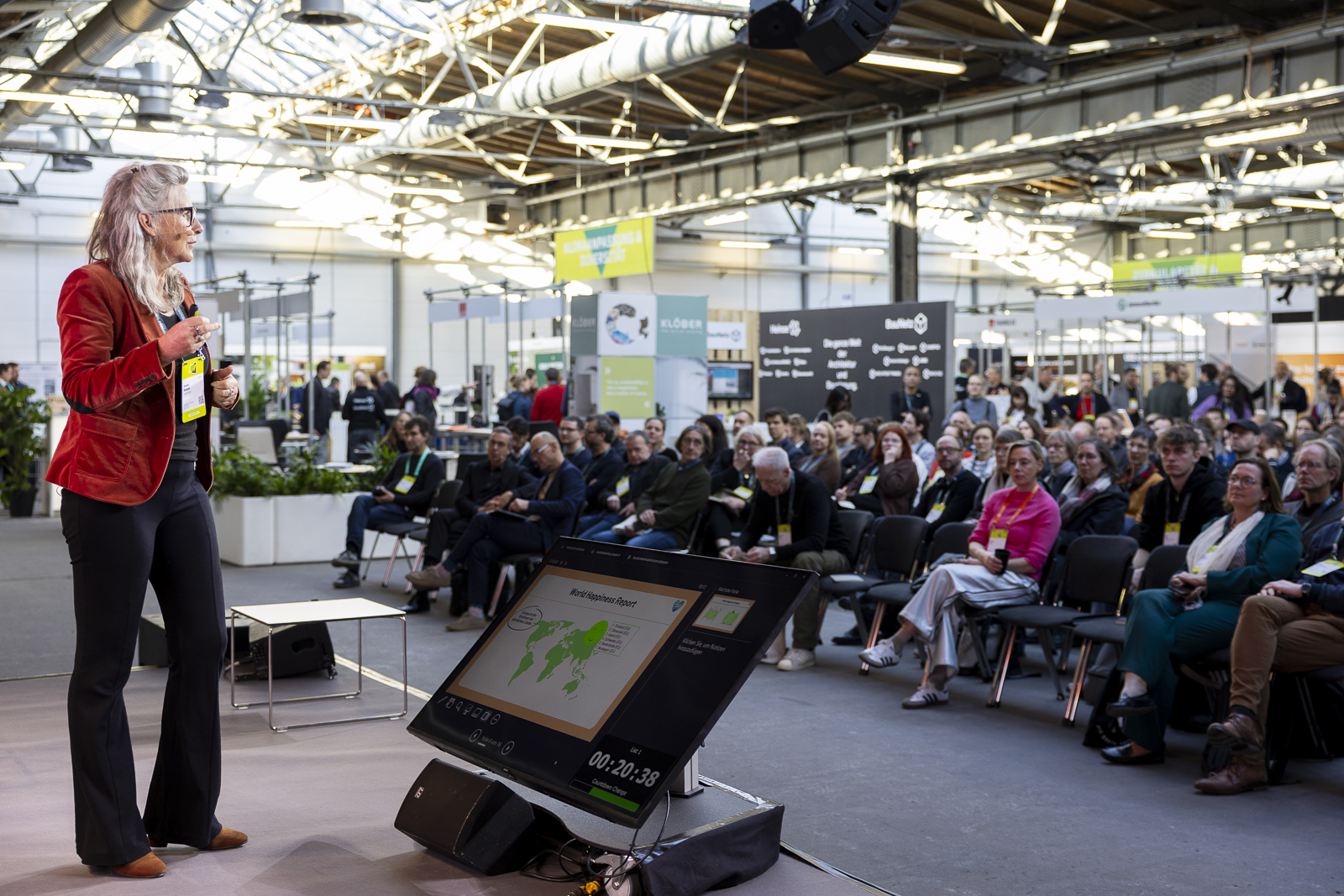
A start with a clear stance
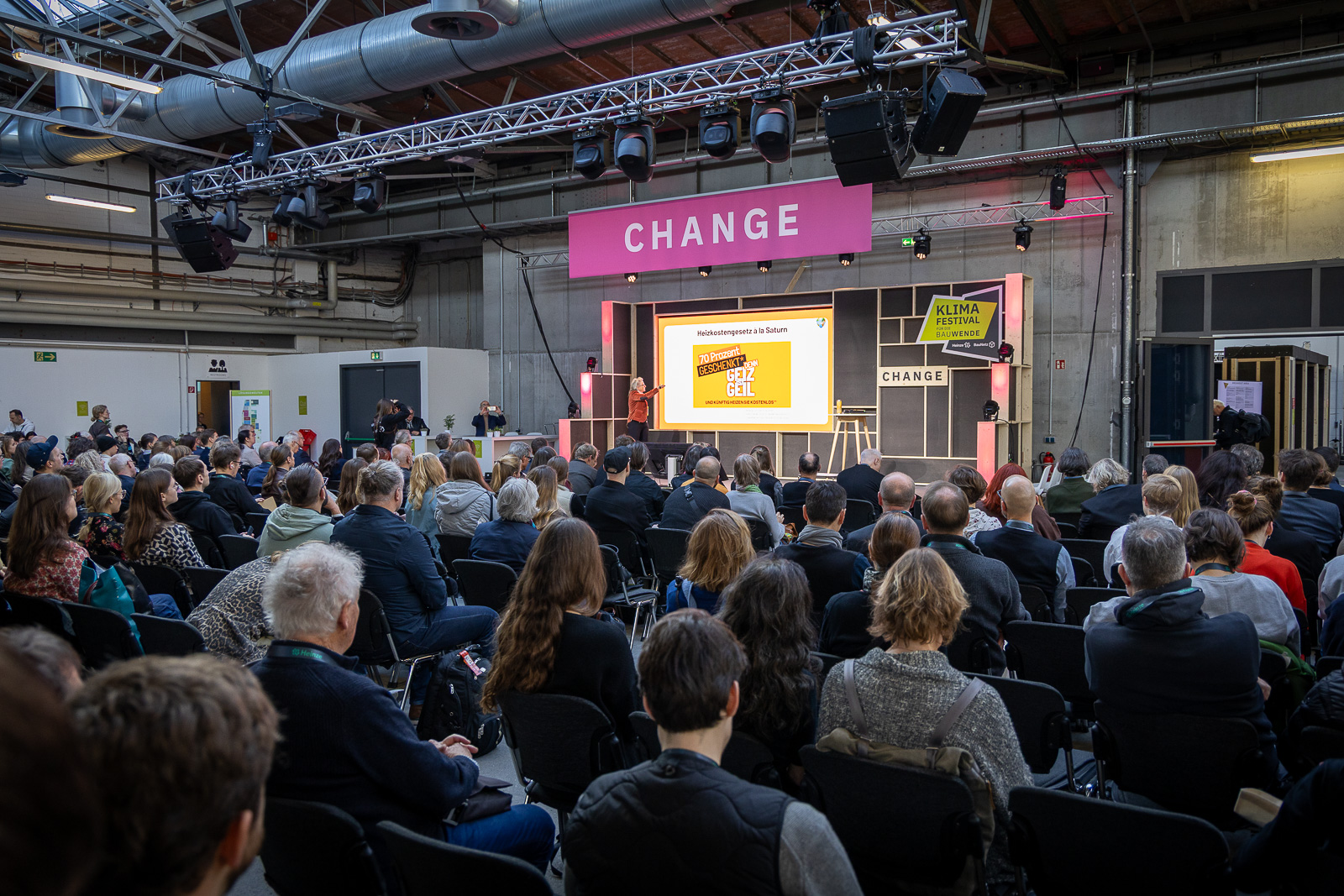
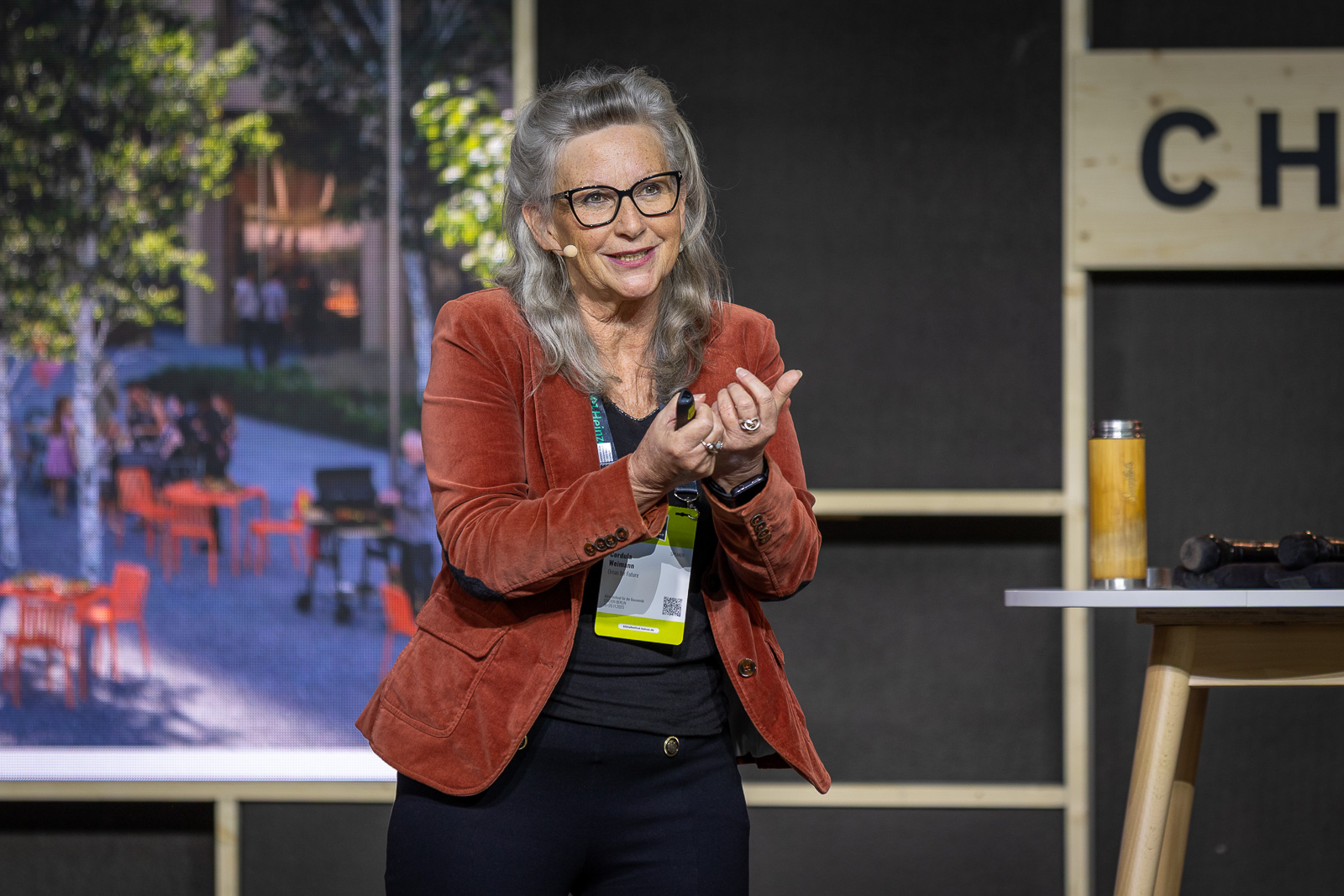
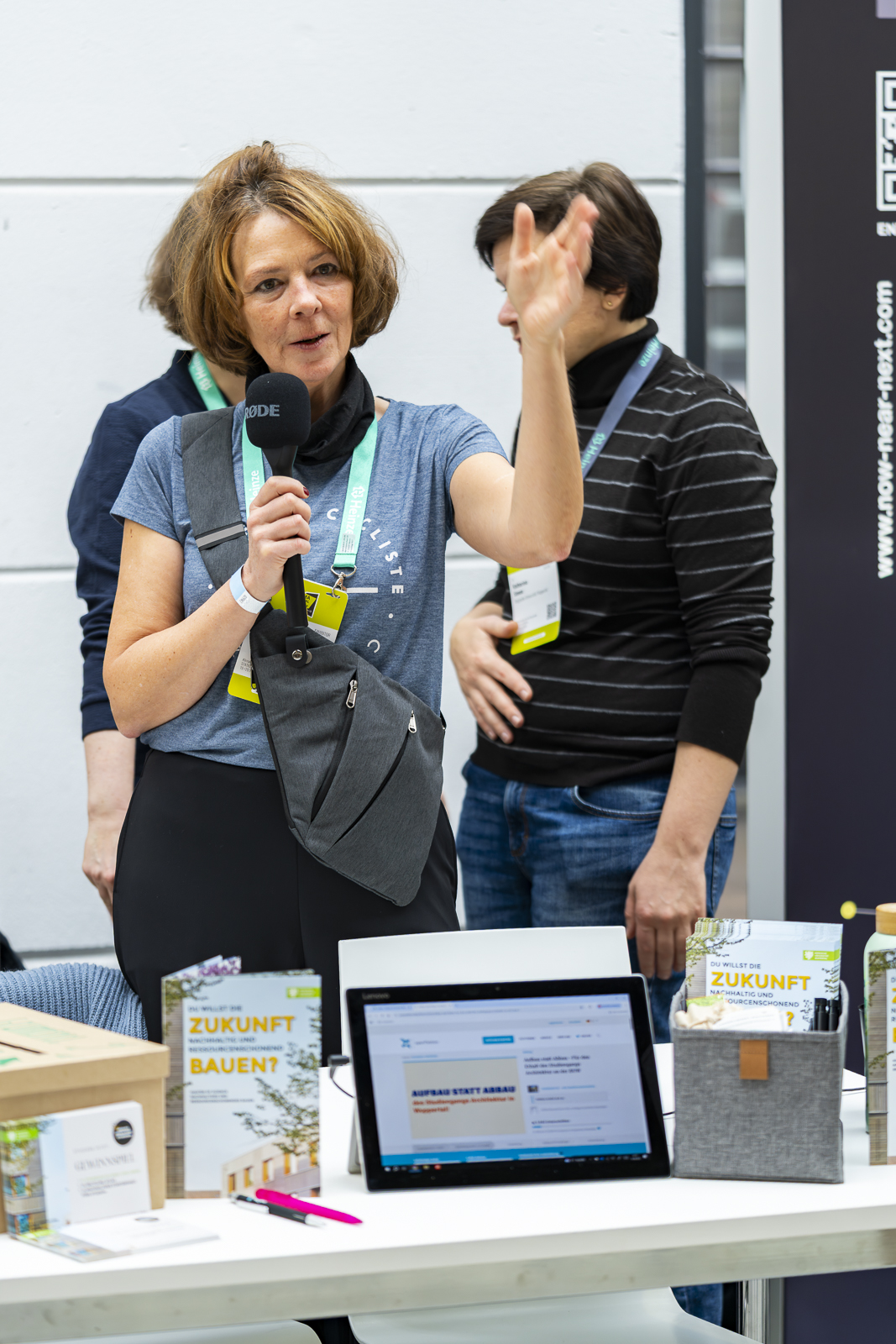
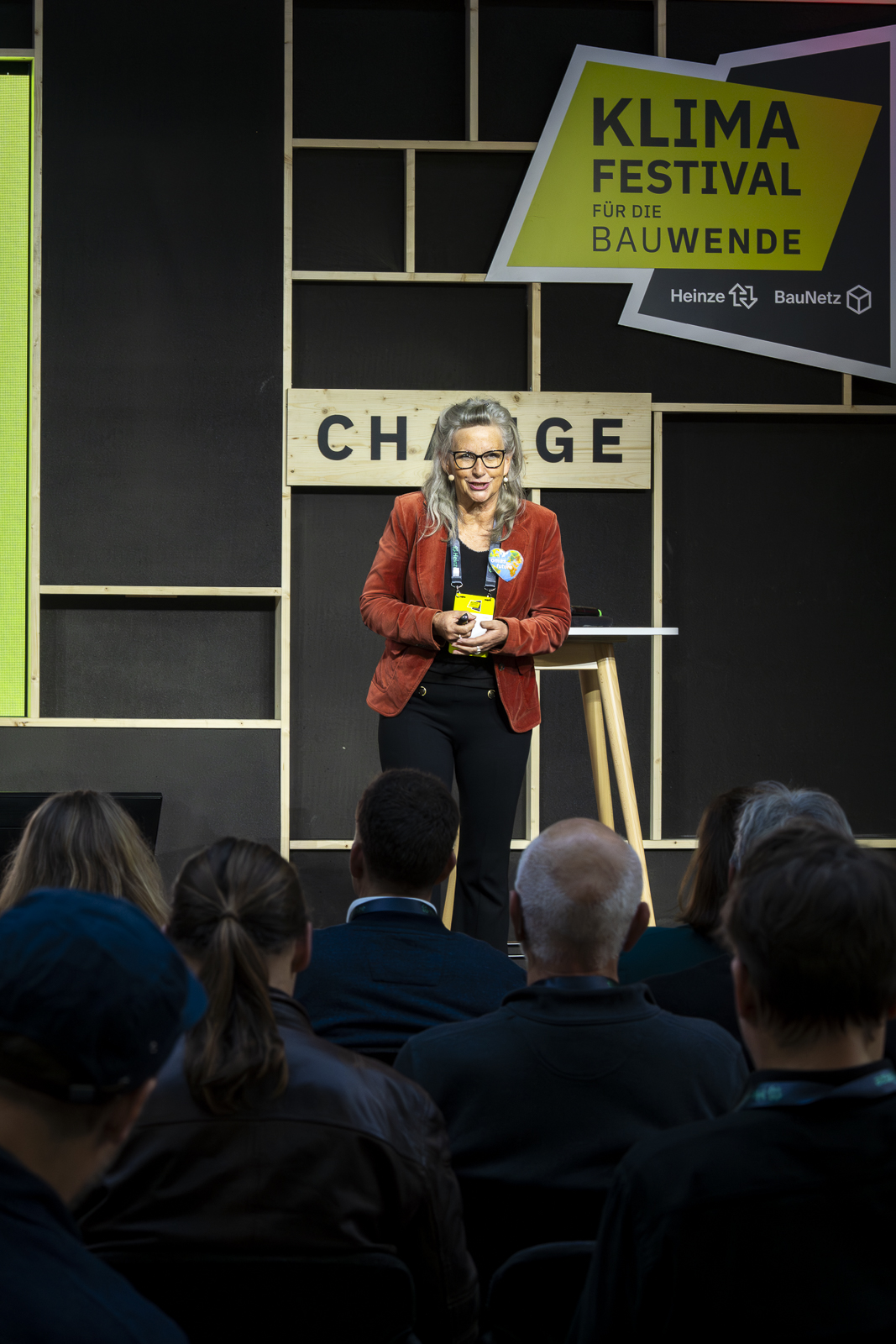
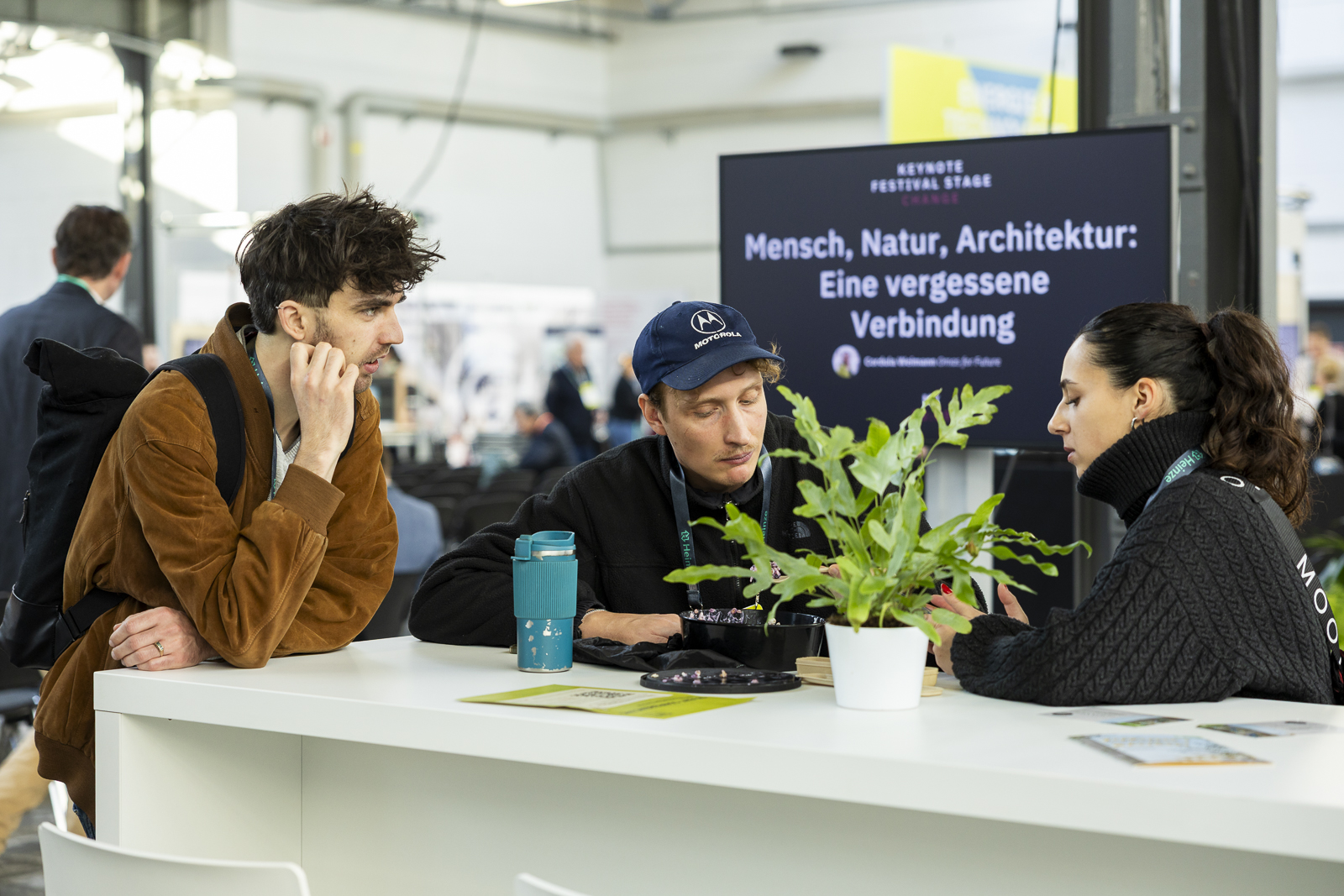
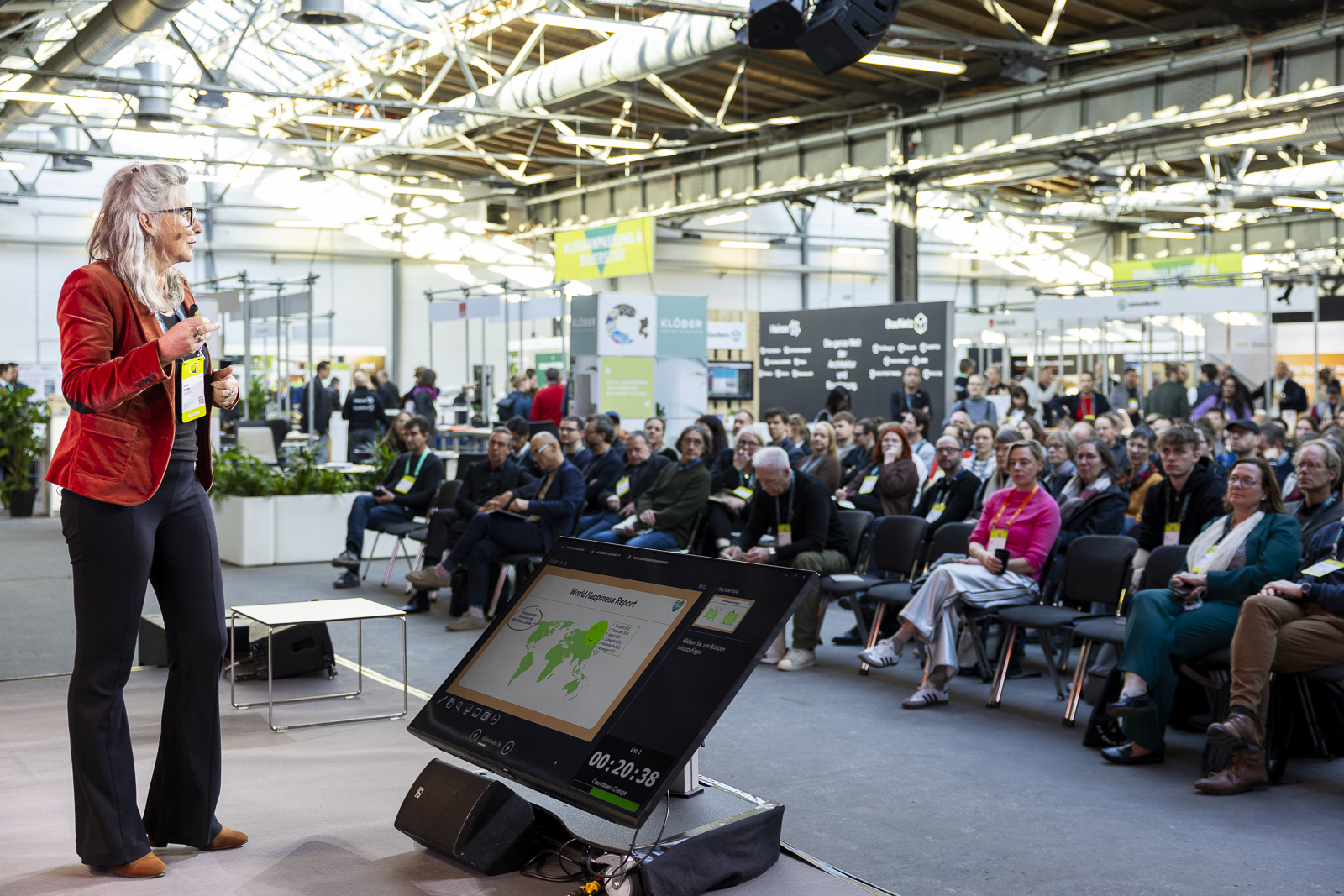
The event kicked off with a speech by Cordula Weimann, entrepreneur and founder of Omas For Future. She emphasized that the current crisis presents an opportunity. Instead of continuing to chase after a single economic model, people must once again become the focus. Urban planning and architecture should create spaces that connect nature and people, reduce alienation, and enable movement, deceleration, and well-being. Courage and determination are crucial for shaping a future that serves humanity.
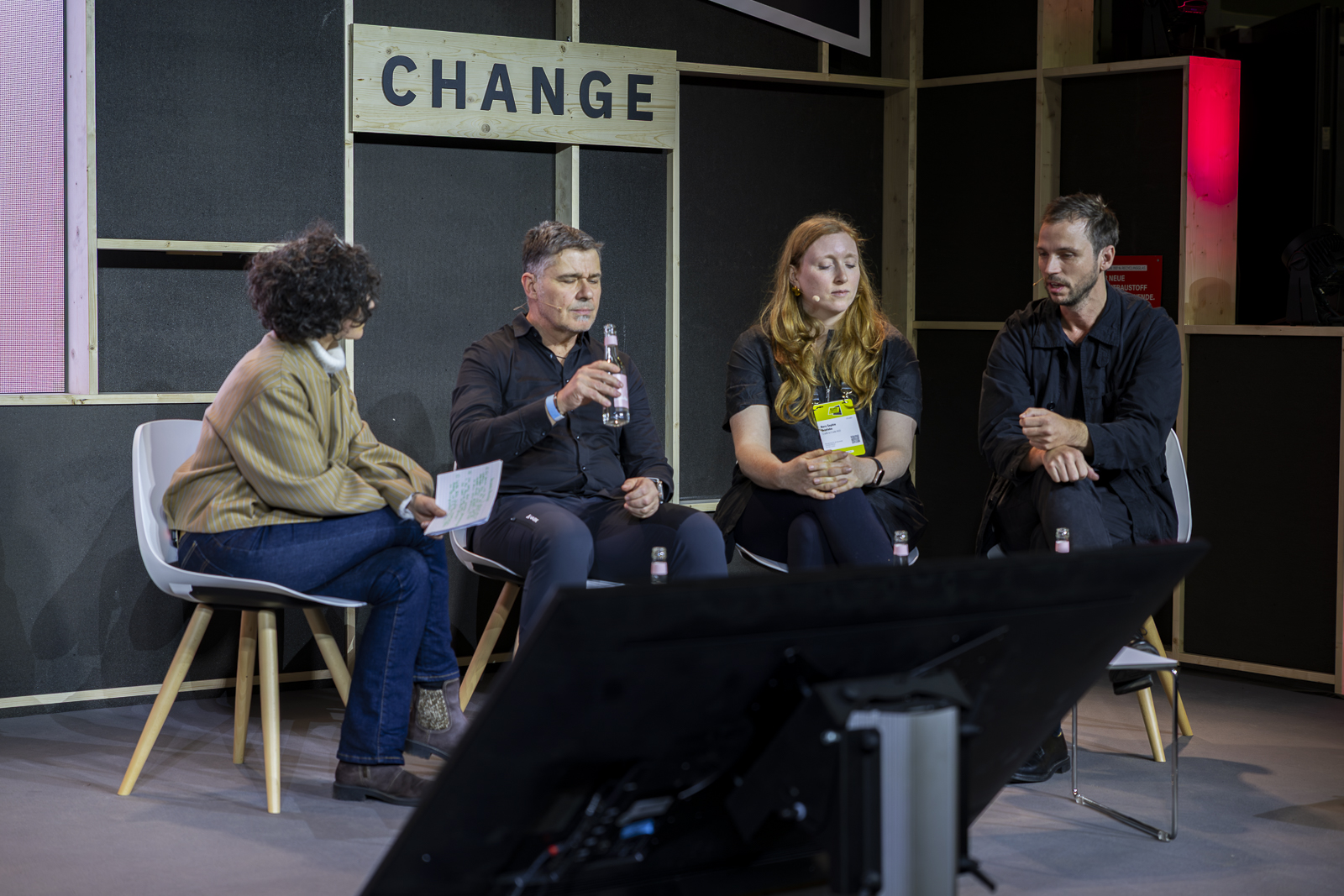
Building transition as a cultural change
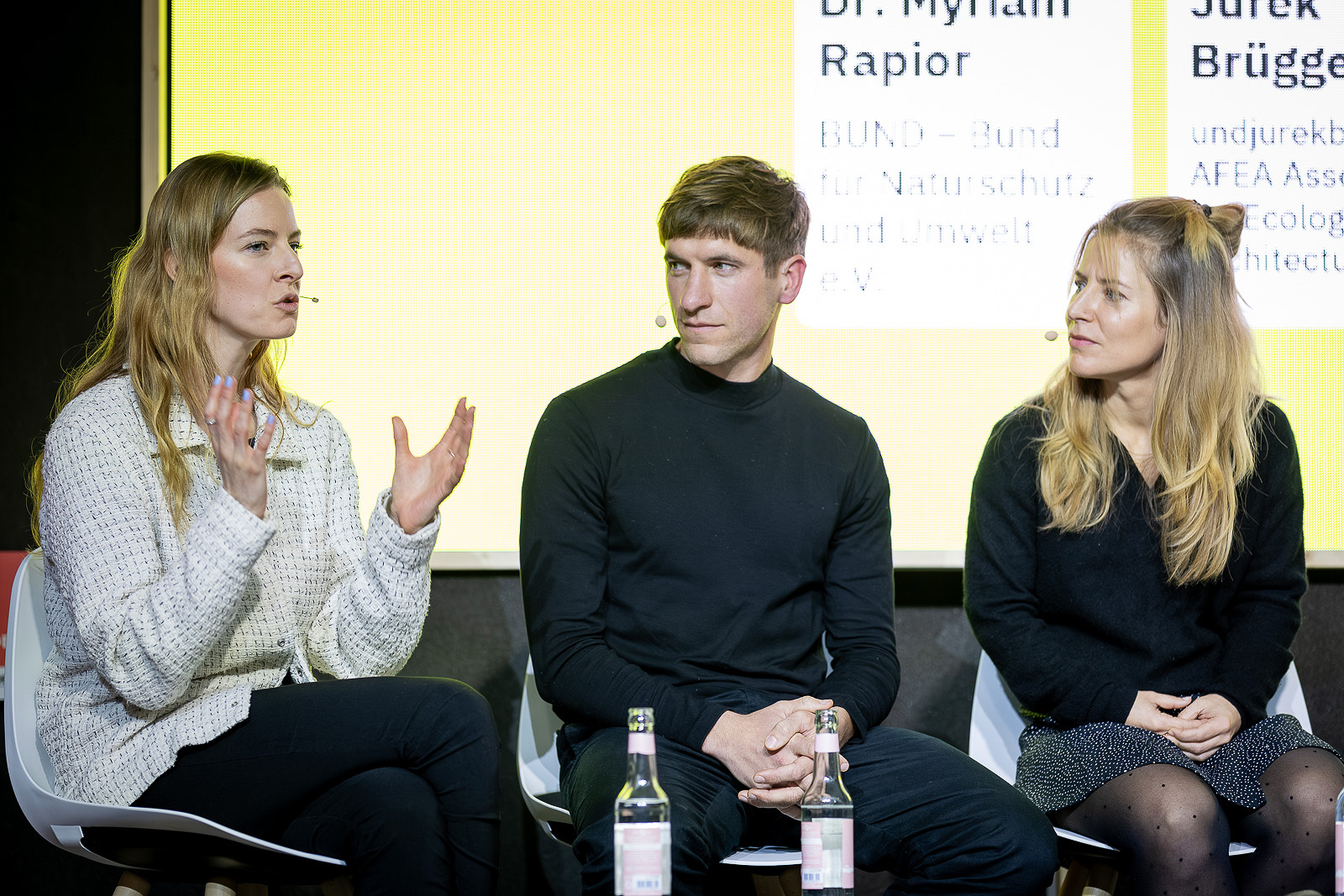
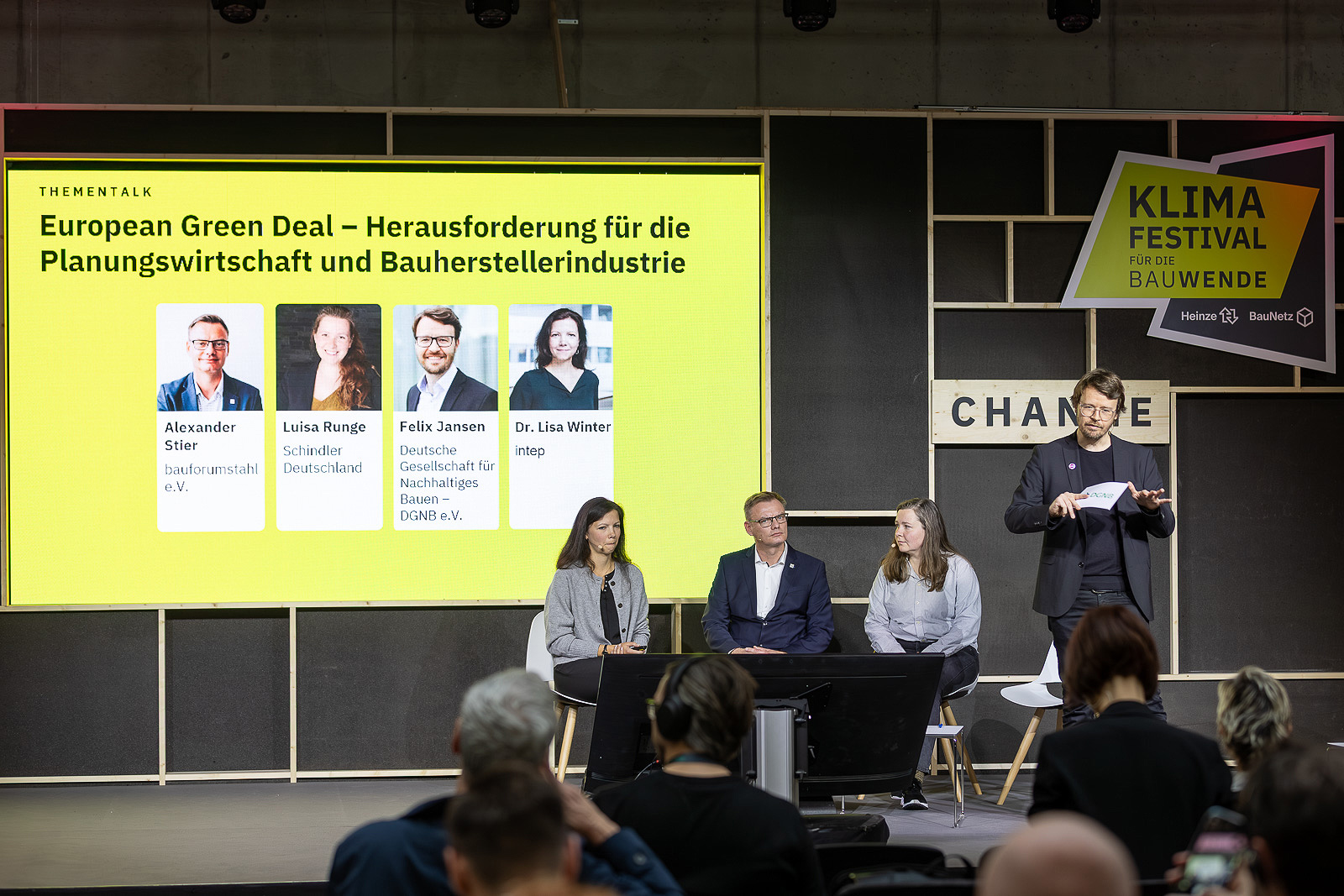
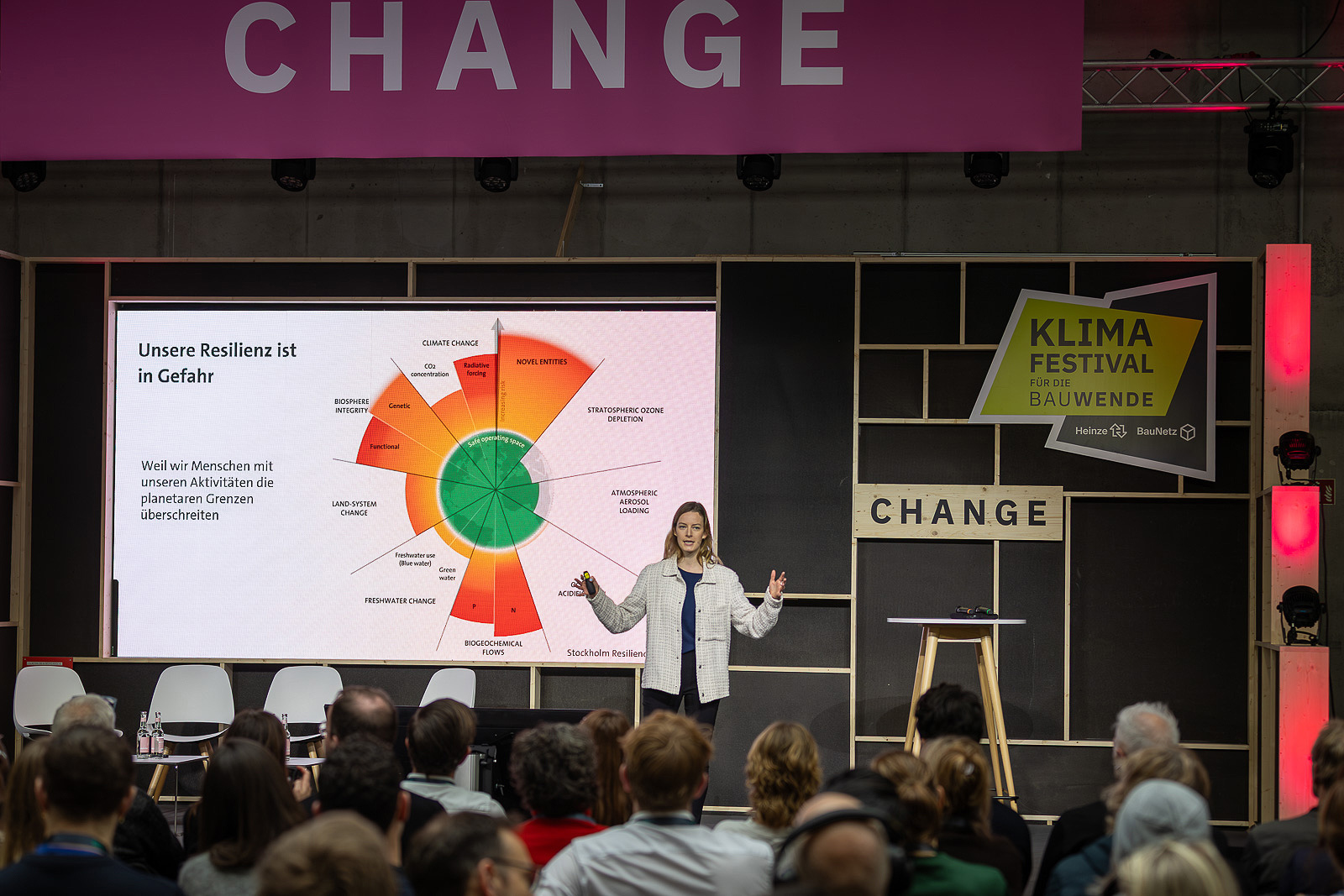
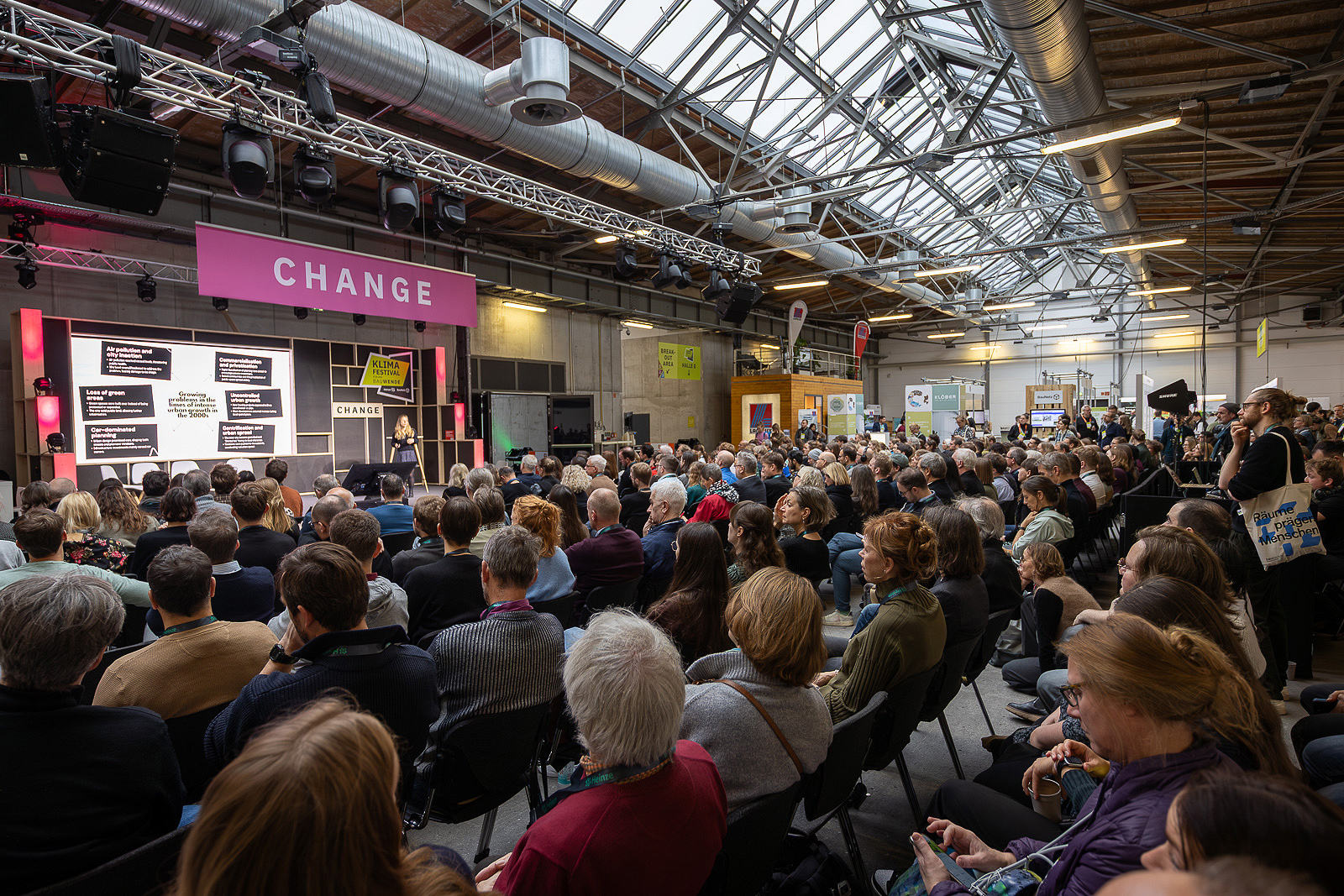
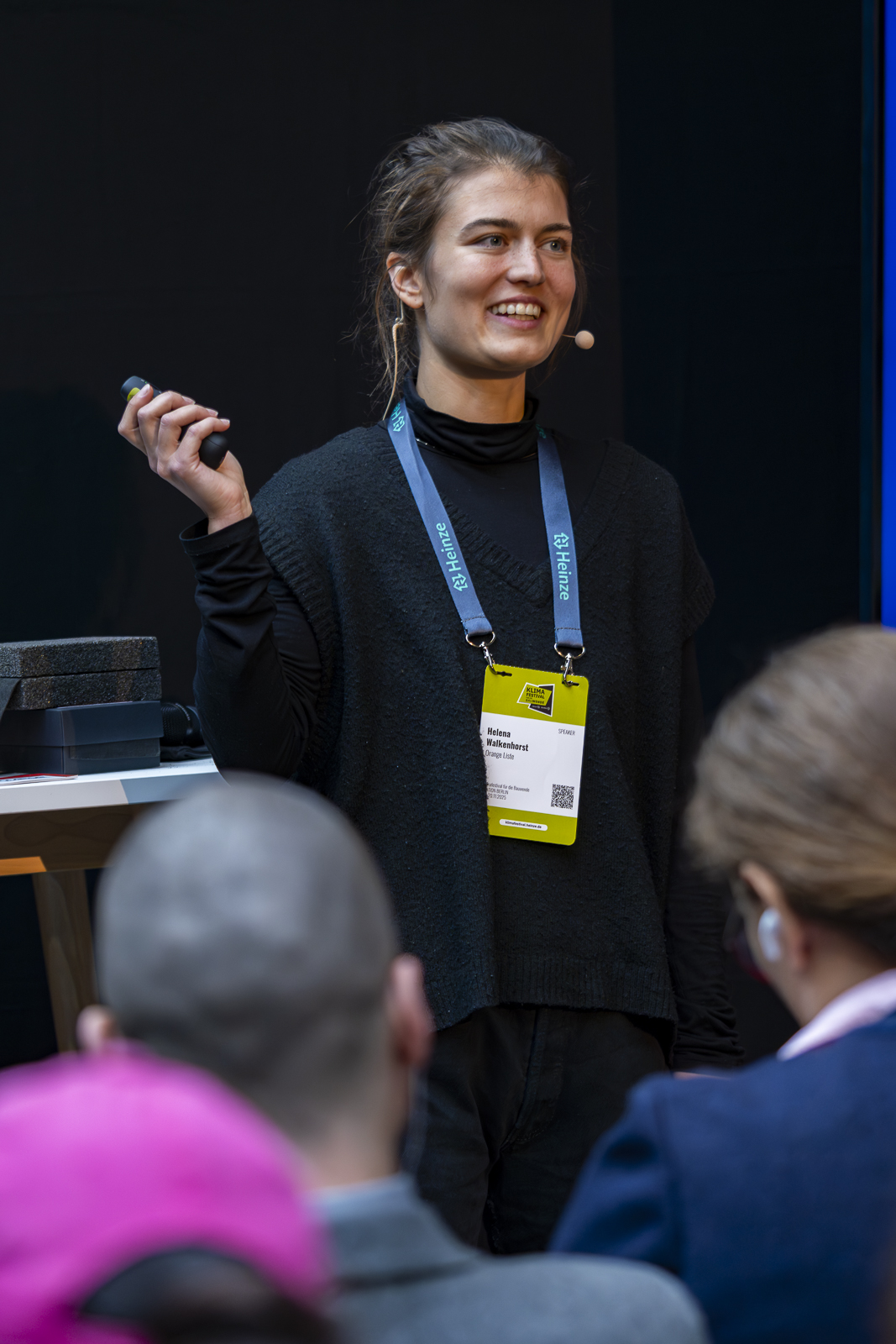
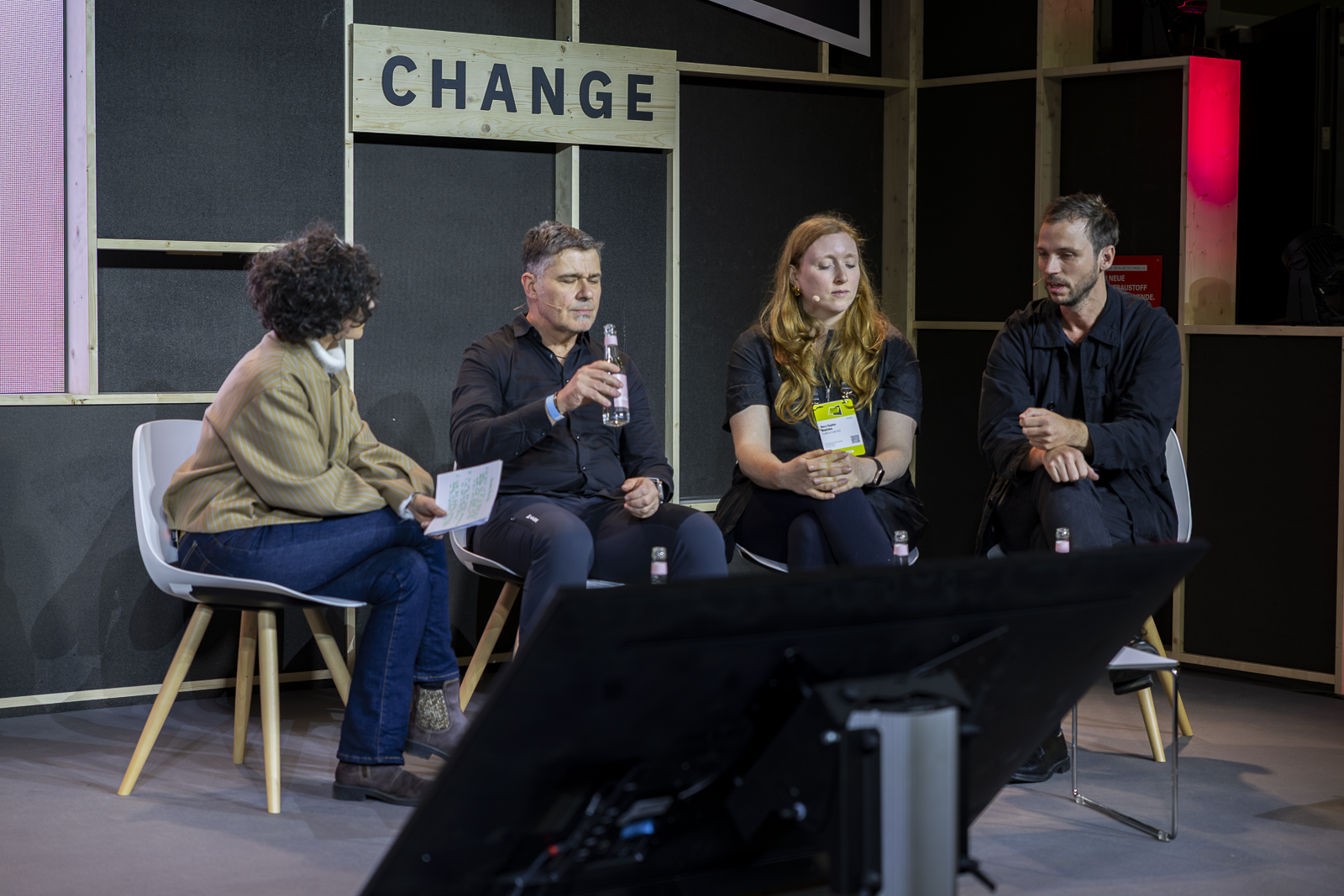
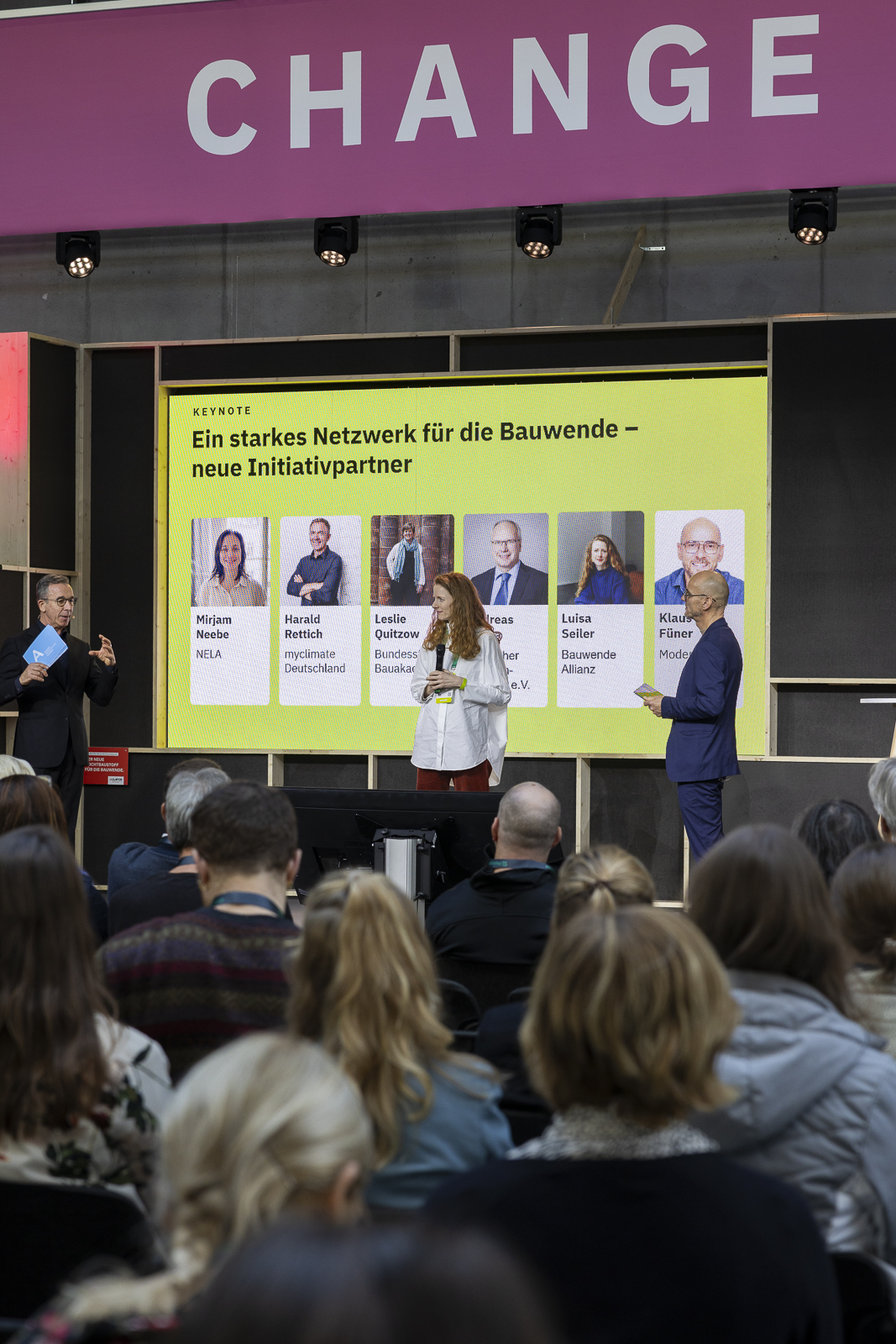
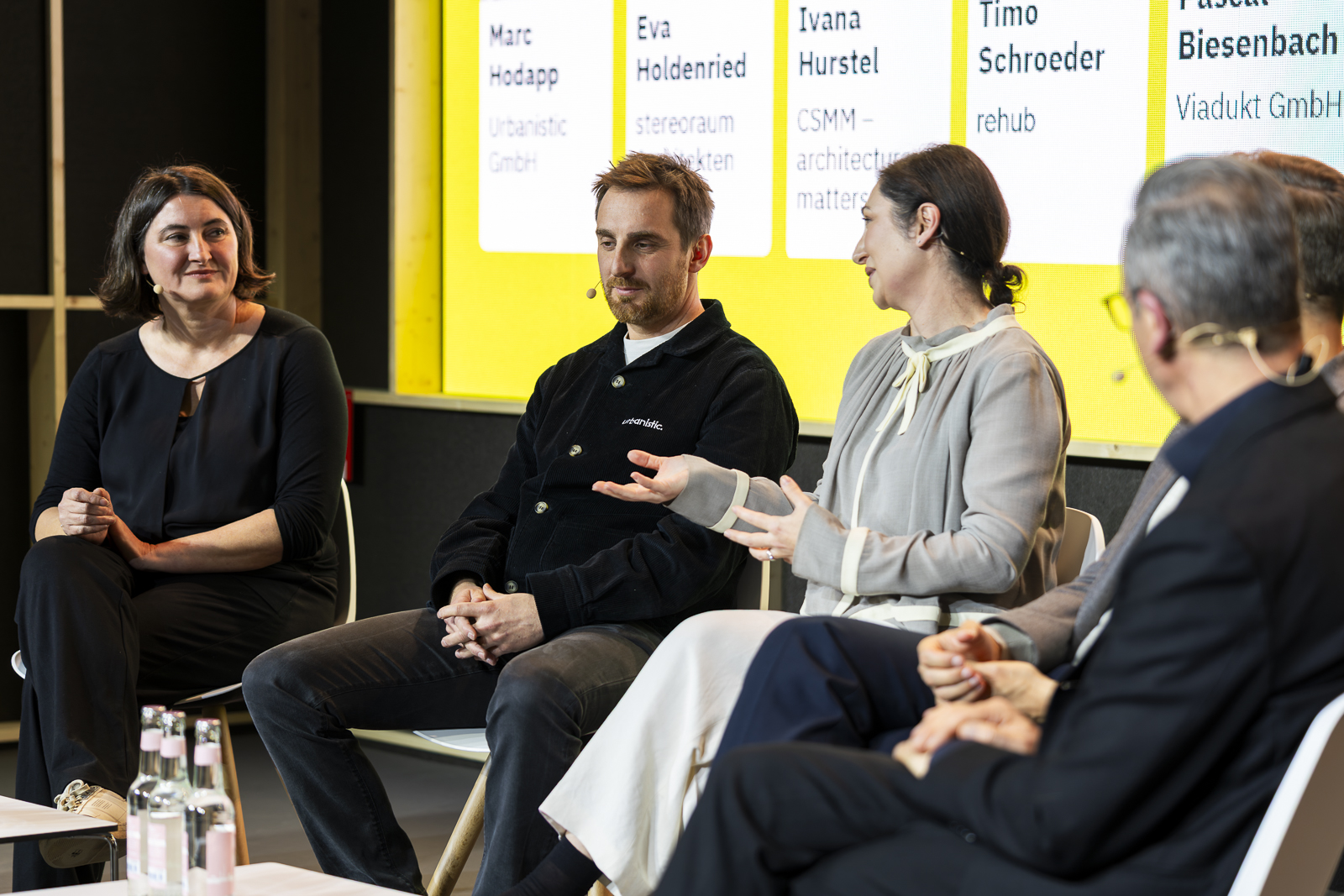
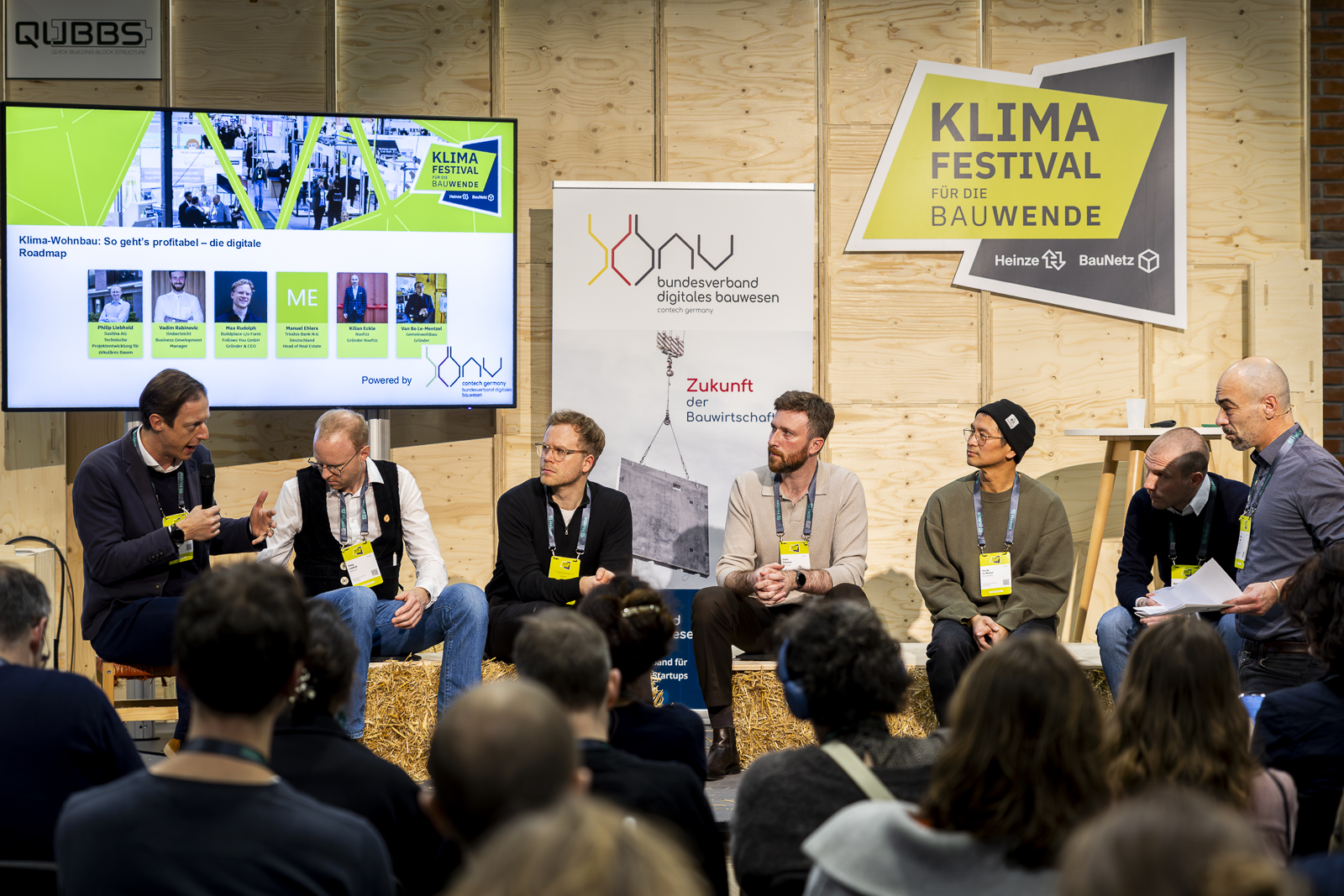
This thematic focus shaped the two days of the festival. Particularly on the Change Stage, it became clear that the transformation of the building sector extends far beyond materials and technology. The question repeatedly arose: what attitude is needed, what responsibilities must be shared, and how cooperation, shared use, and the conscious application of digital tools can open up new avenues? The message was clear: transformation can only succeed if resources are considered in a circular economy, processes are streamlined, and spaces are created that are livable, resilient, and climate-friendly.
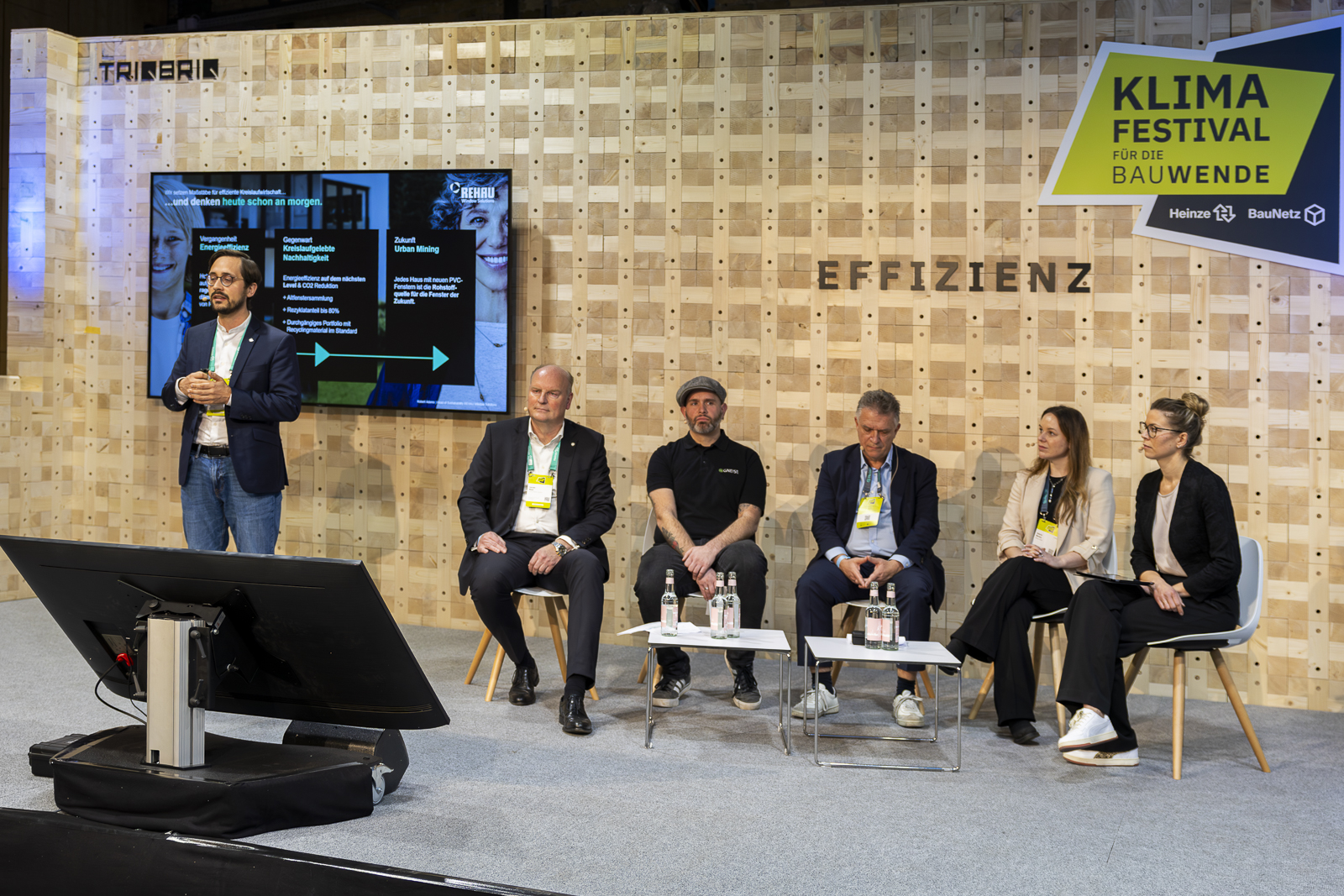
Expert input on climate resilience and new construction methods
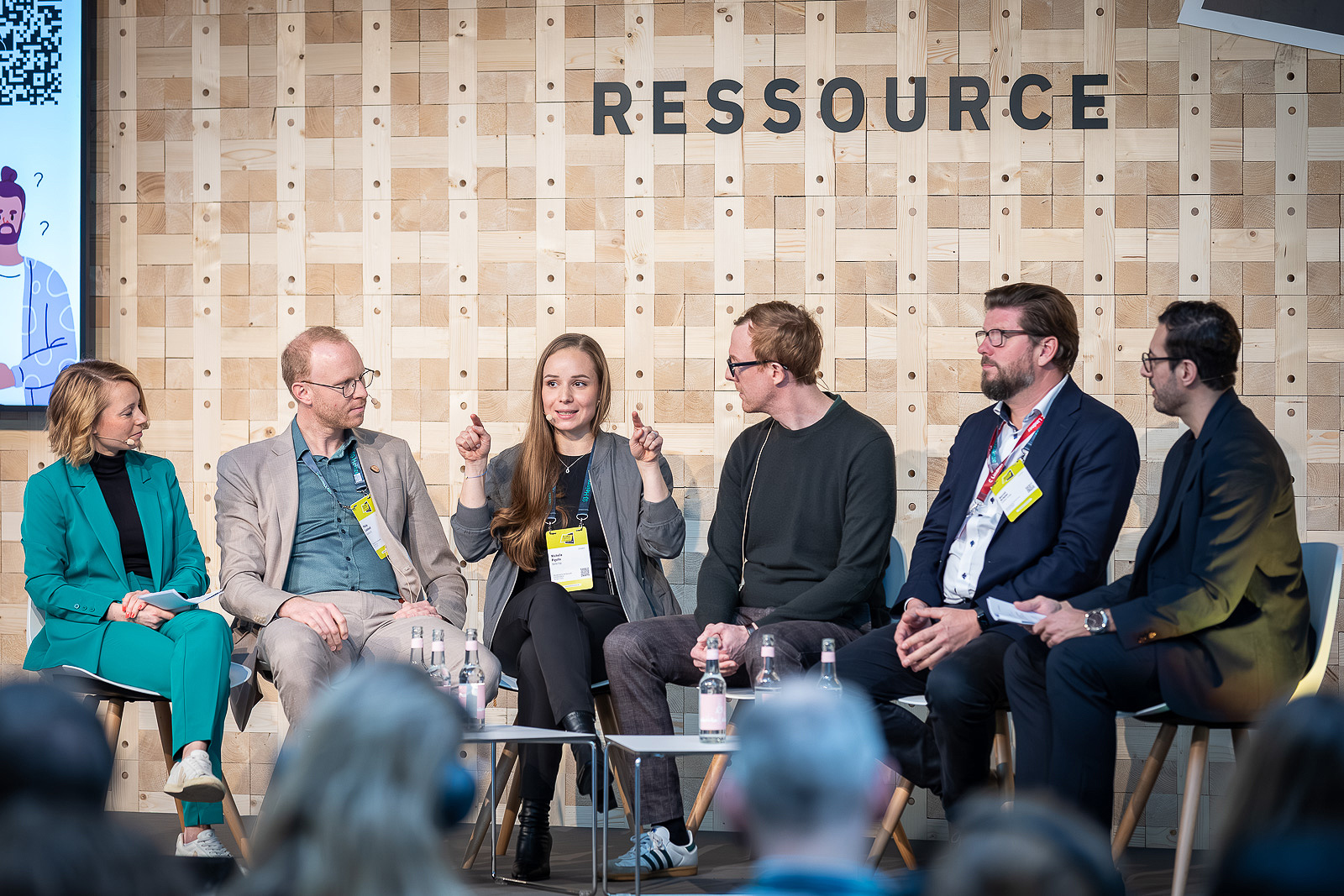
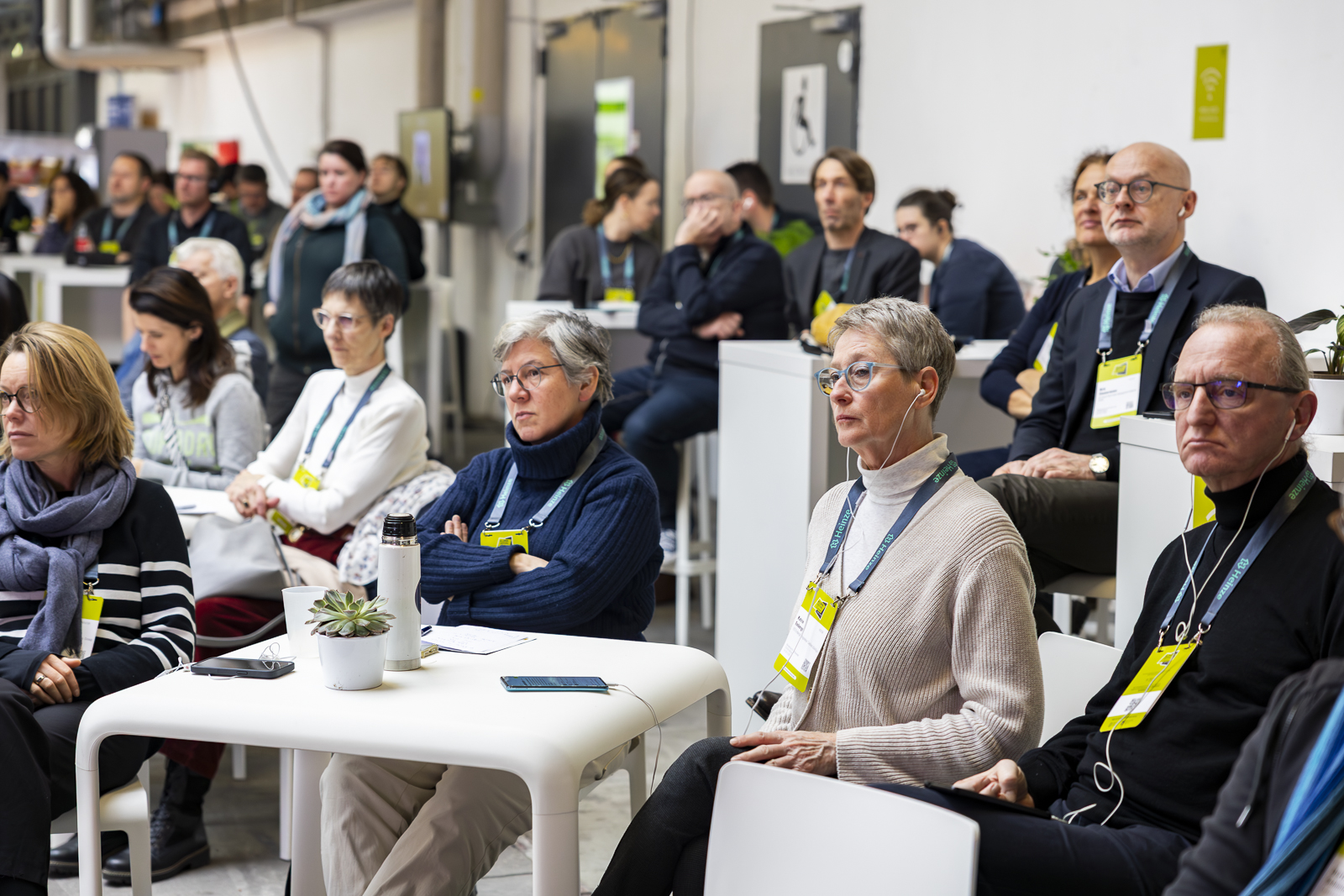
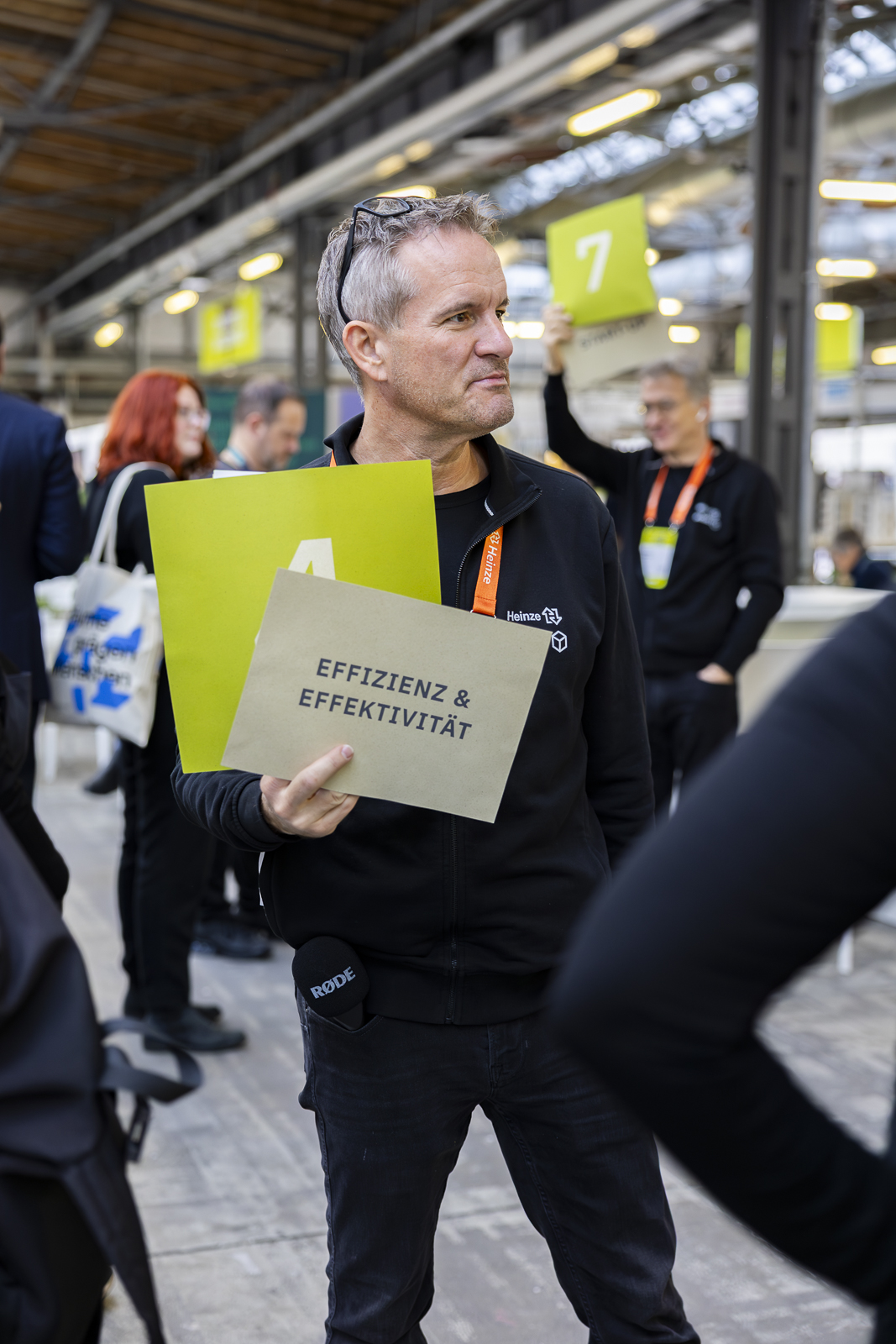
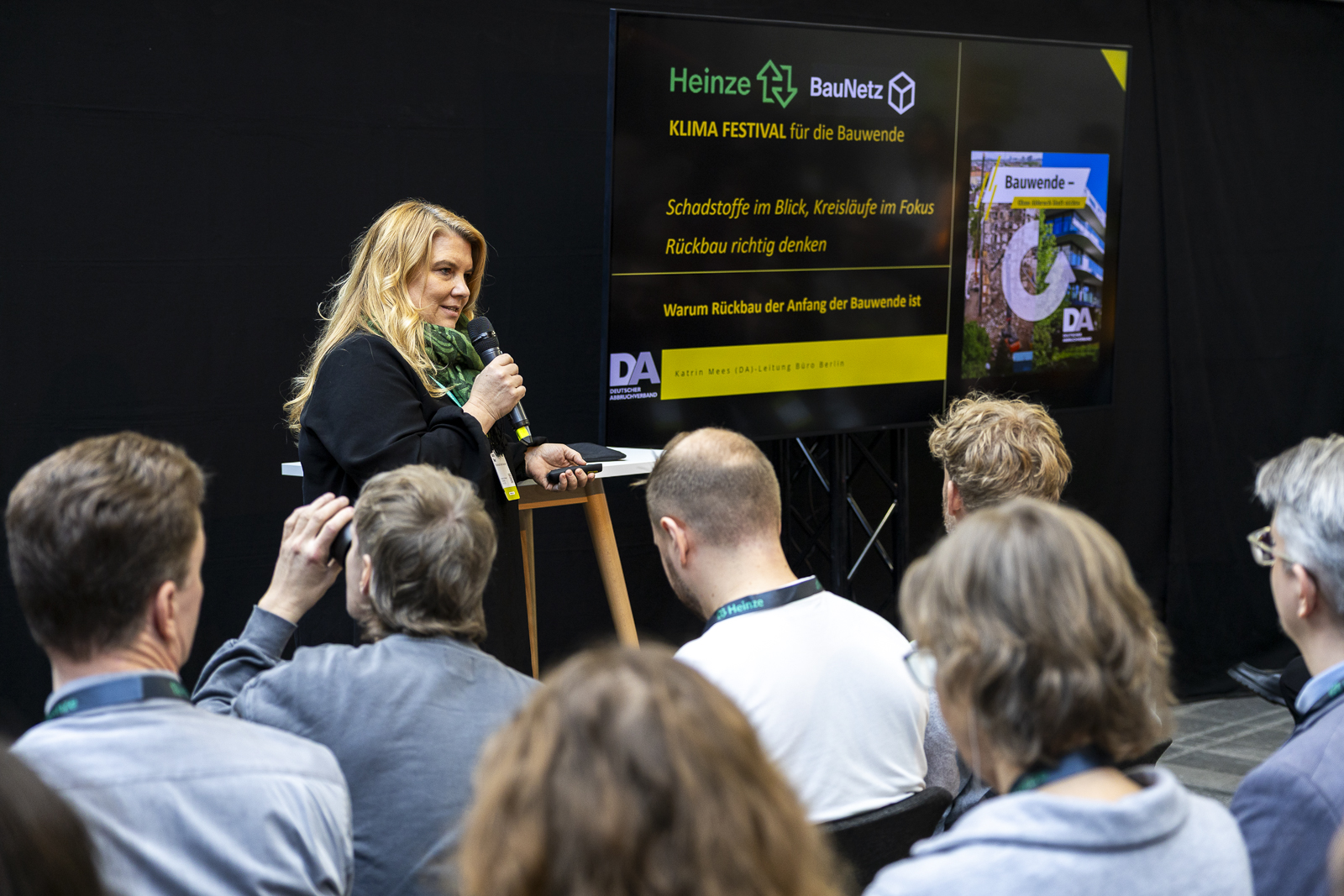
On the resource and efficiency stage, key questions took center stage. How can cities and buildings be designed to be future-proof, energy-efficient, and socially responsible? How can material innovation, climate protection, and design be combined without pitting comfort against responsibility? The discussions made it clear that technical solutions are only one part of the journey and that real change lies in integrating diverse perspectives.
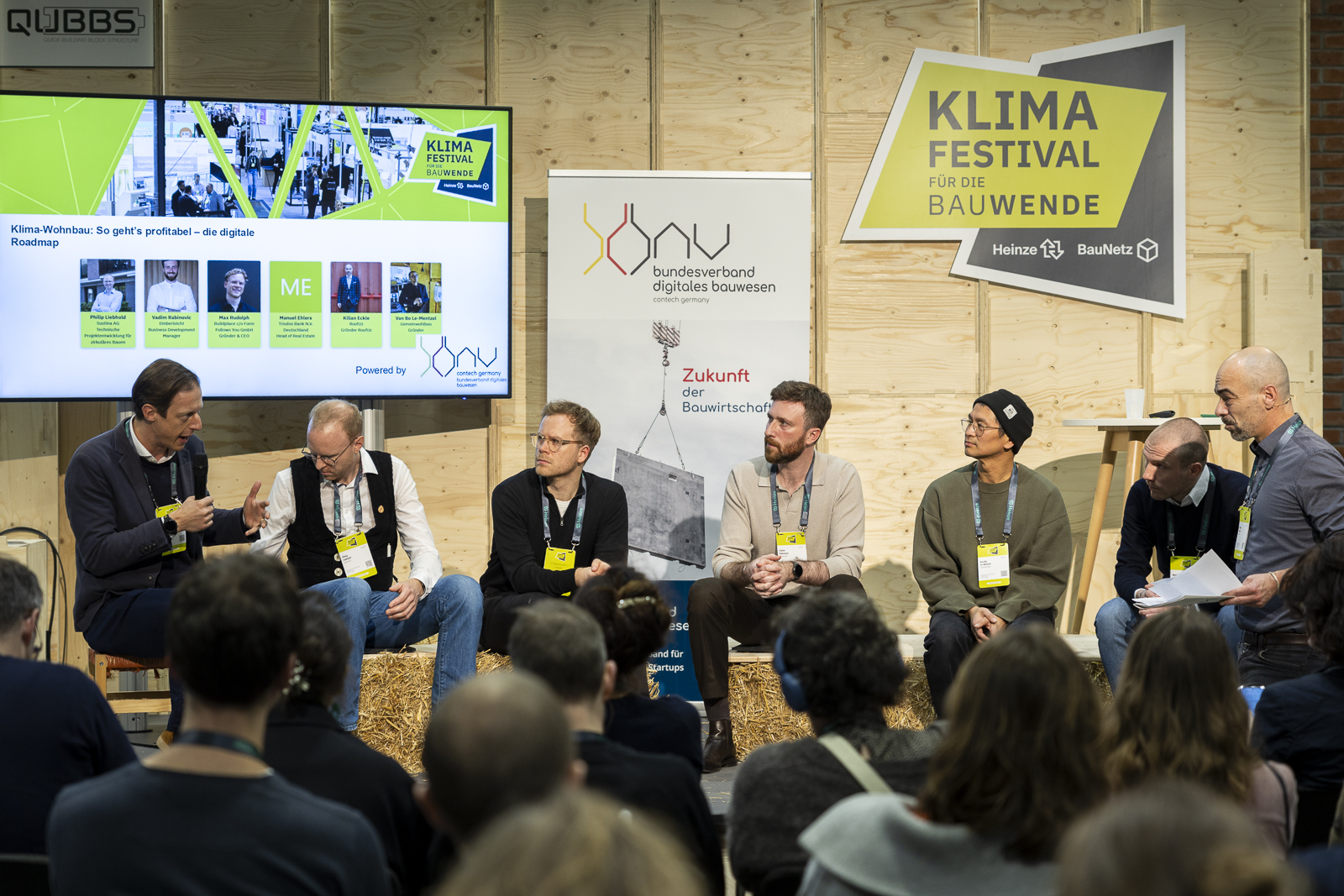
Start-ups and workshops showcase practical experience and innovation
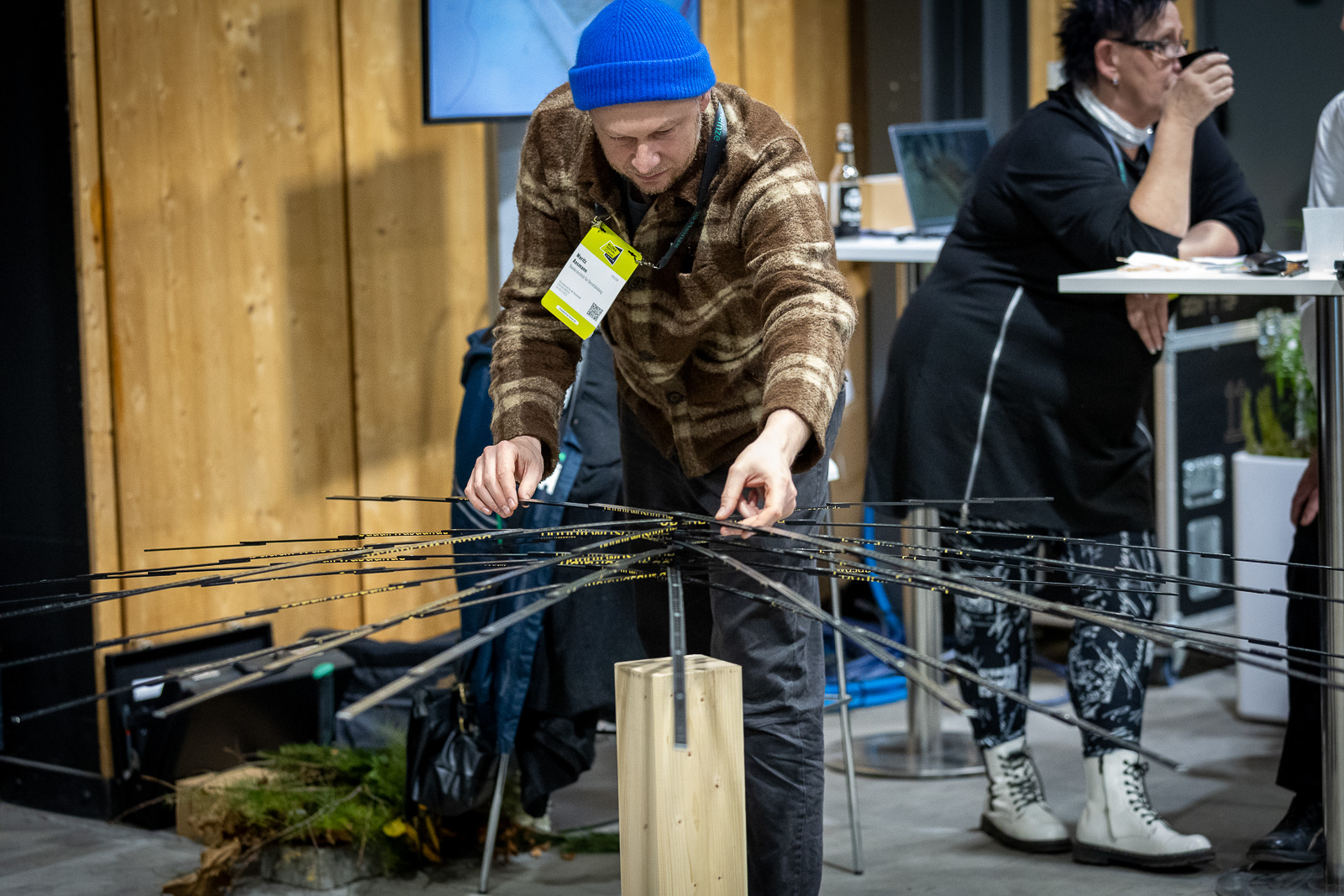
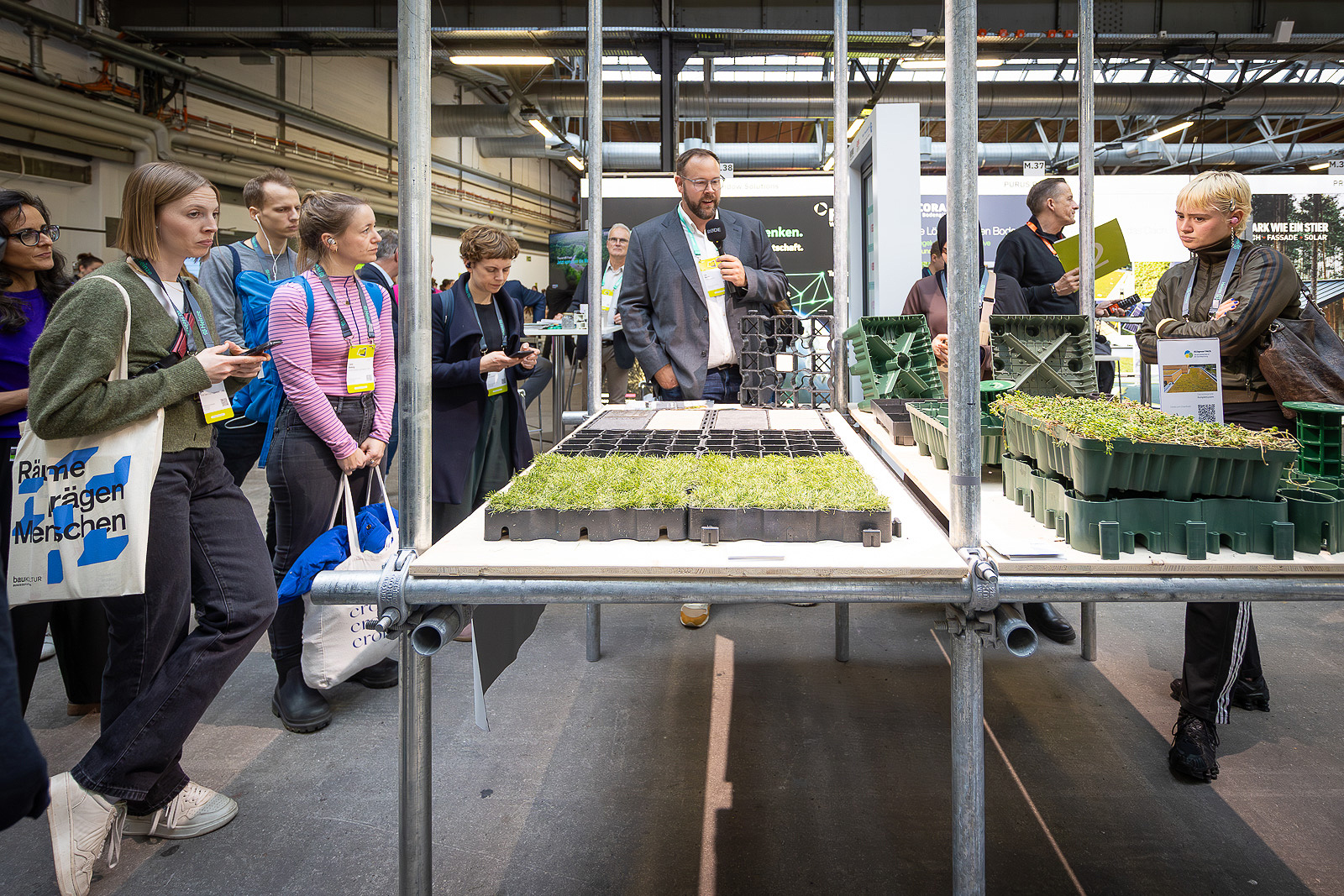
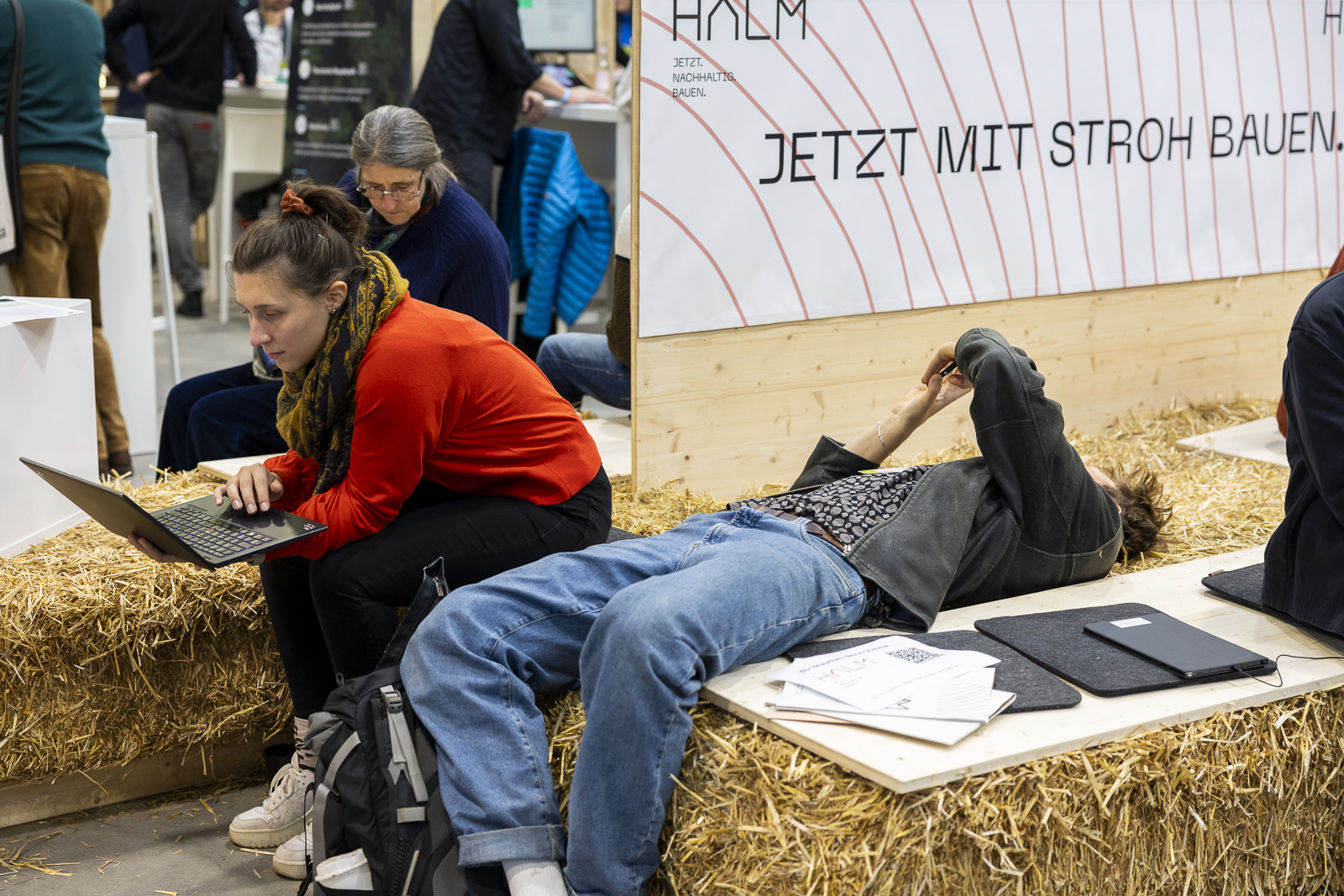
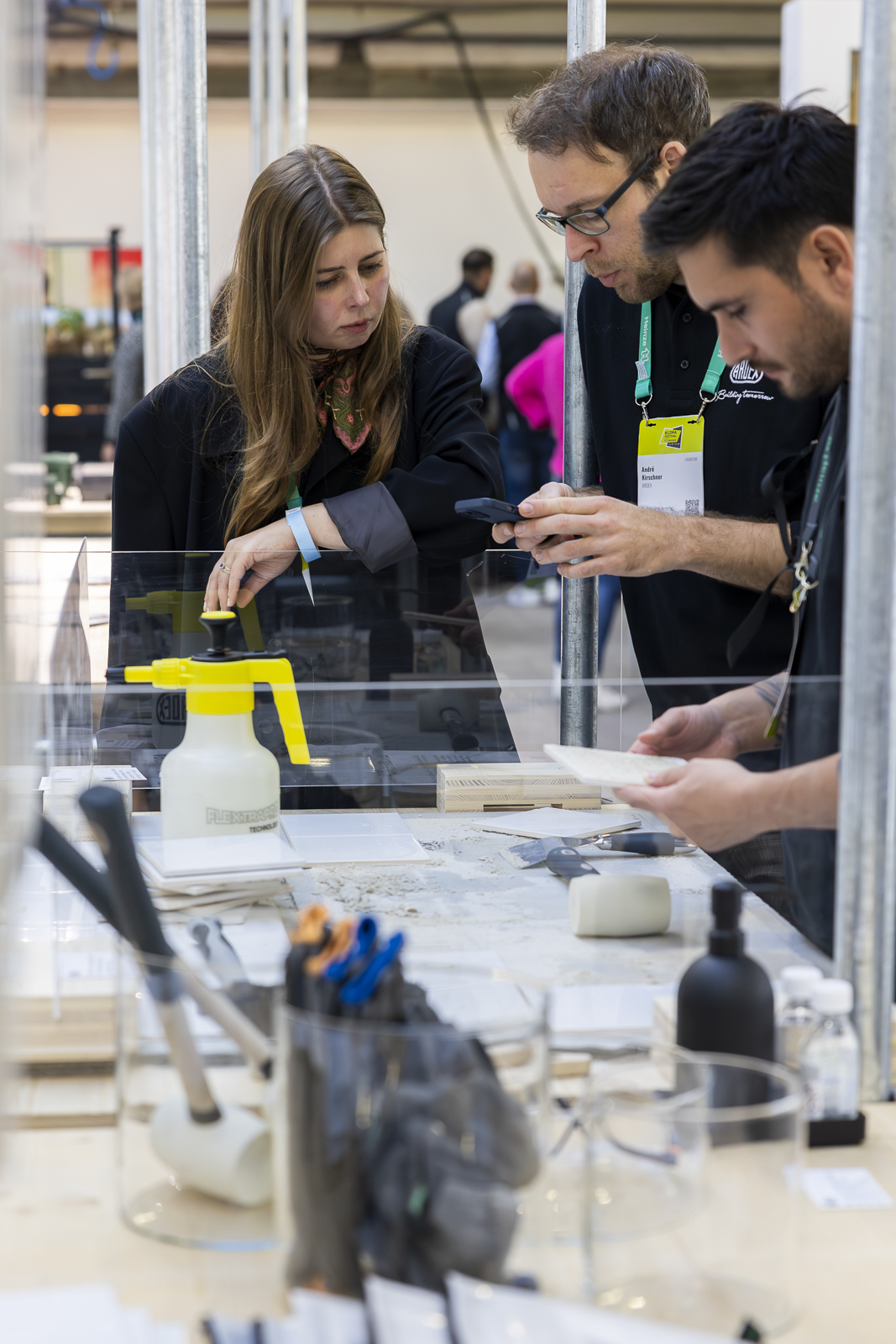
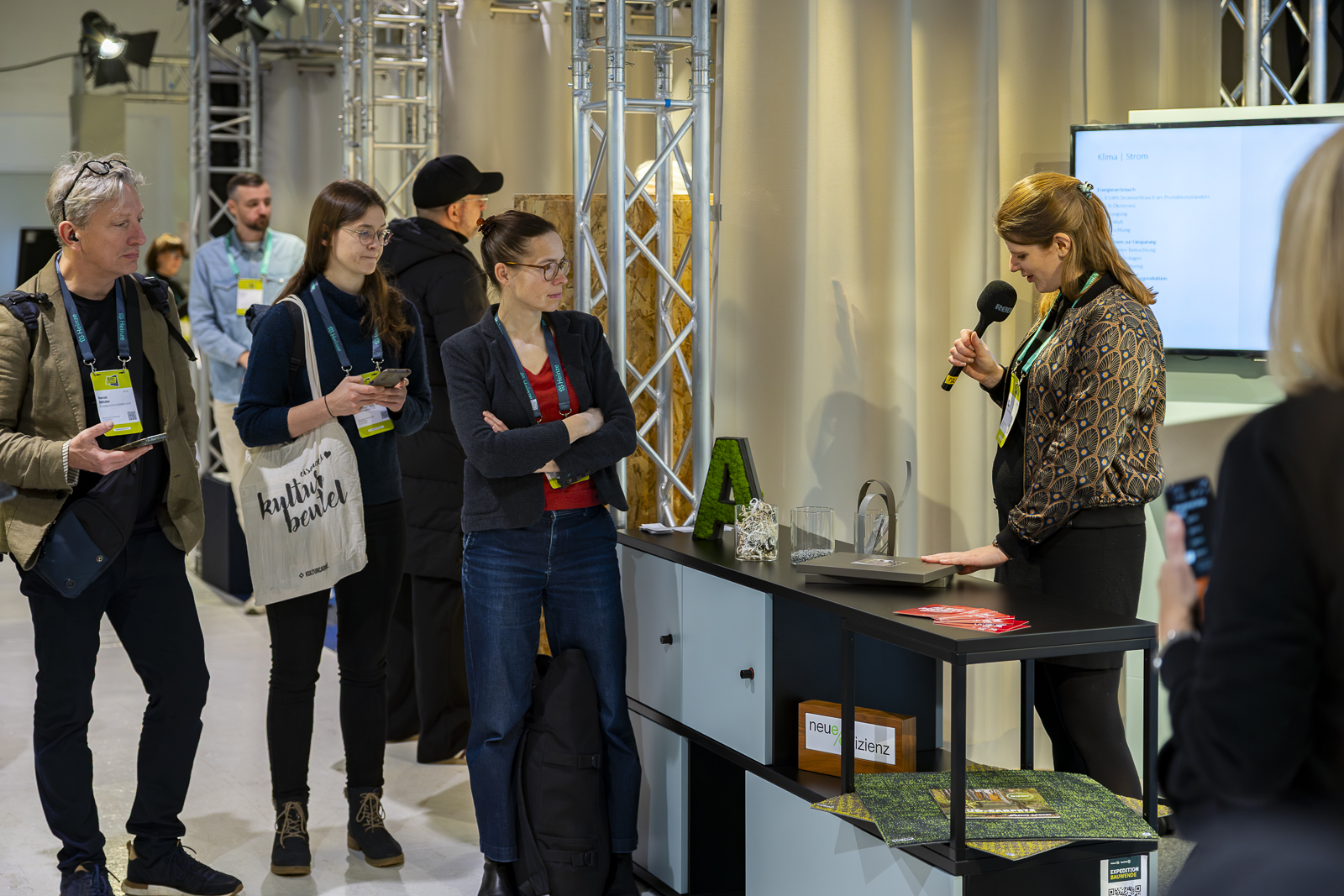
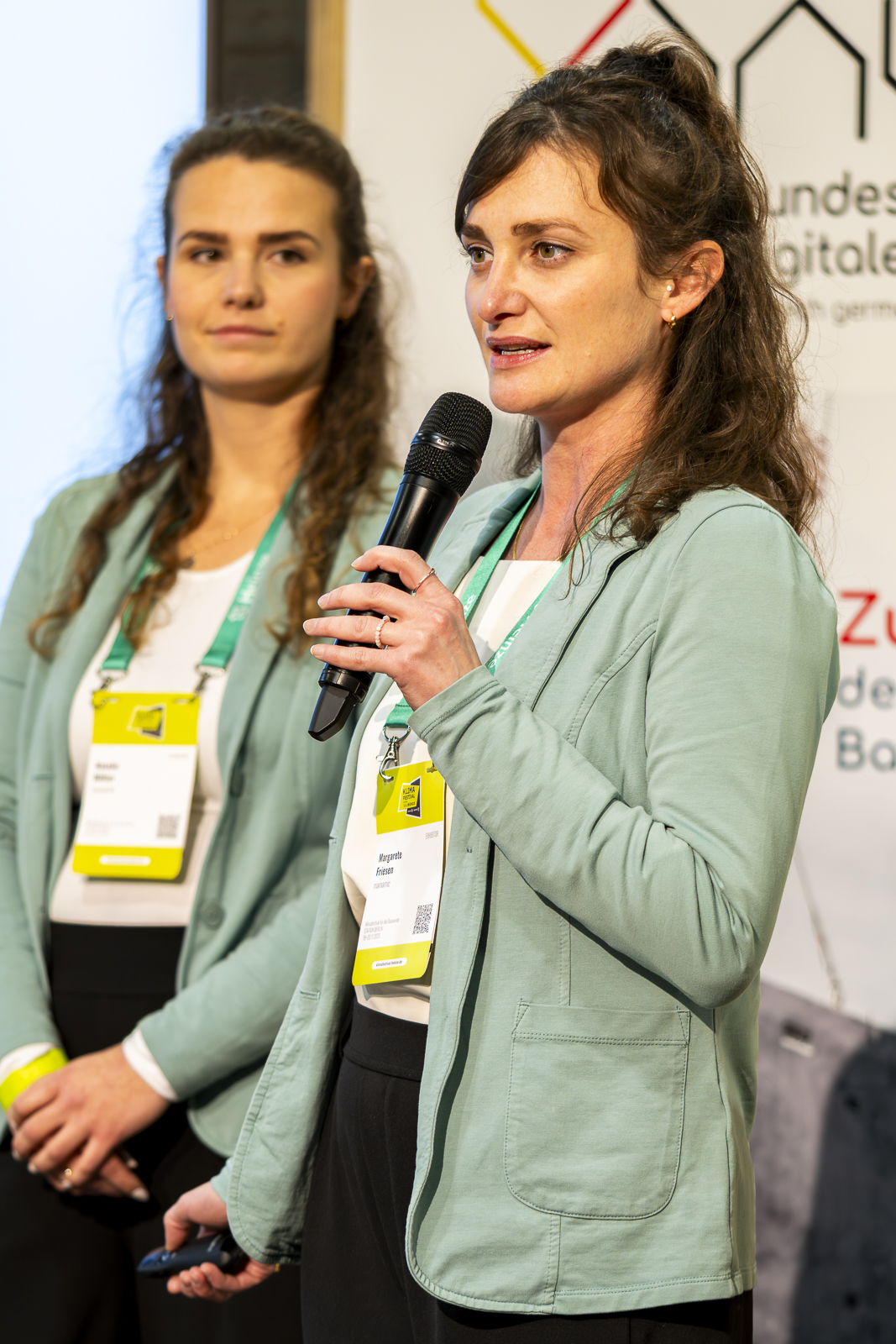
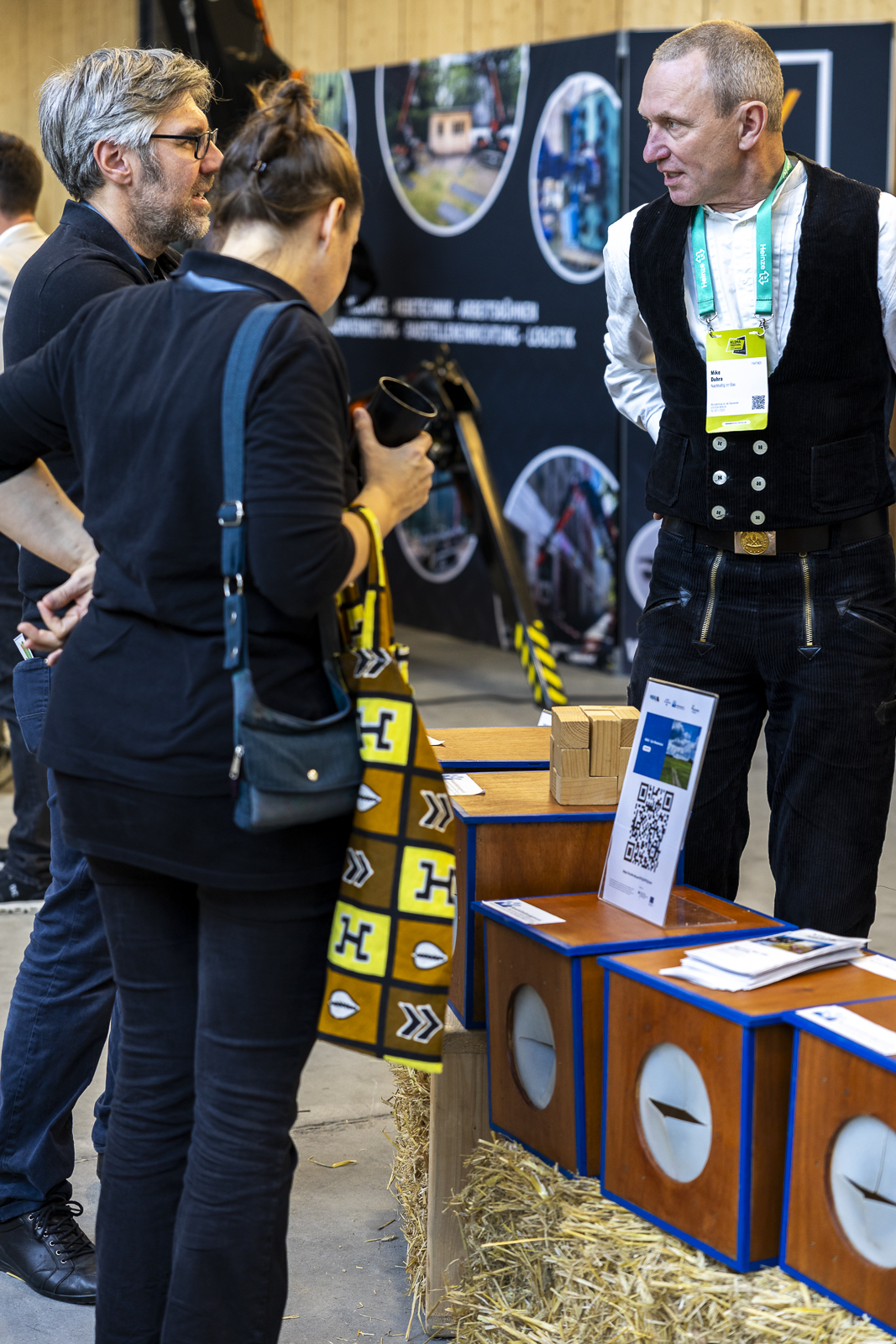
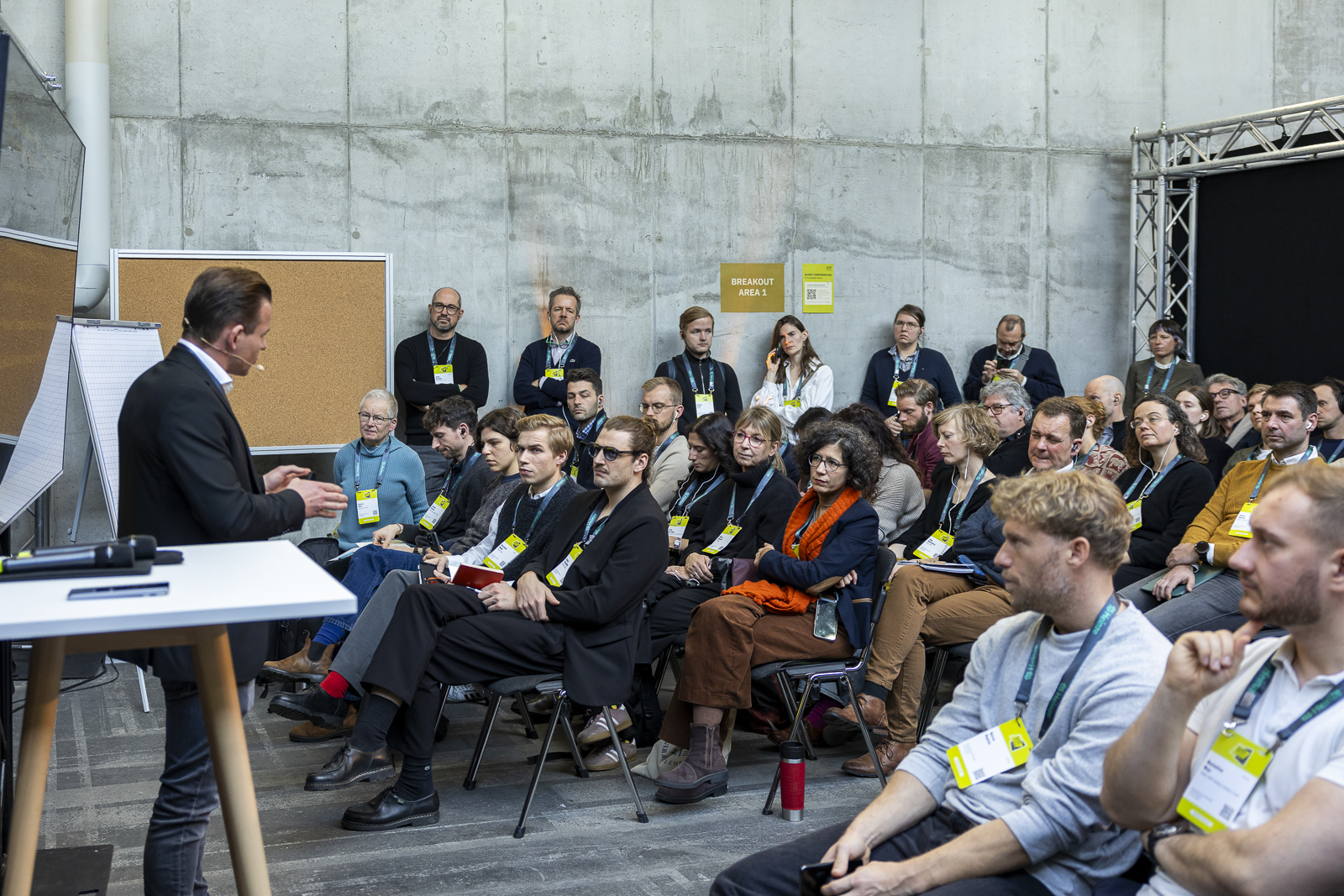
The Start-Up and Building Area also provided a platform for young companies and creative projects that offered a glimpse into the future. In the three breakout areas, visitors gained practical insights into topics such as building with renewable resources, serial renovation, climate-friendly urban design, digital environmental product declarations, and biogenic building materials as CO2 storage.
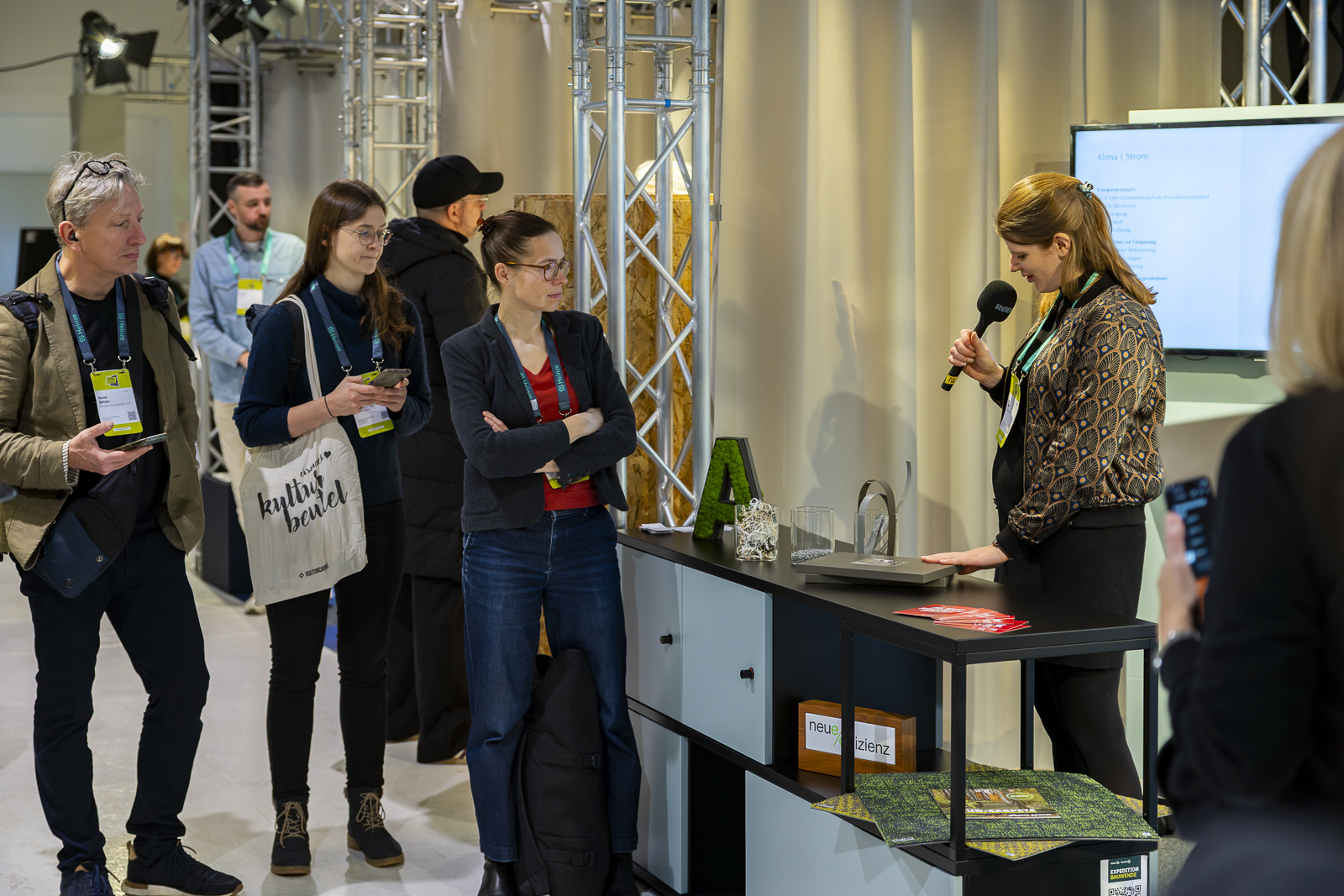
Circular economy interiors are coming into focus.
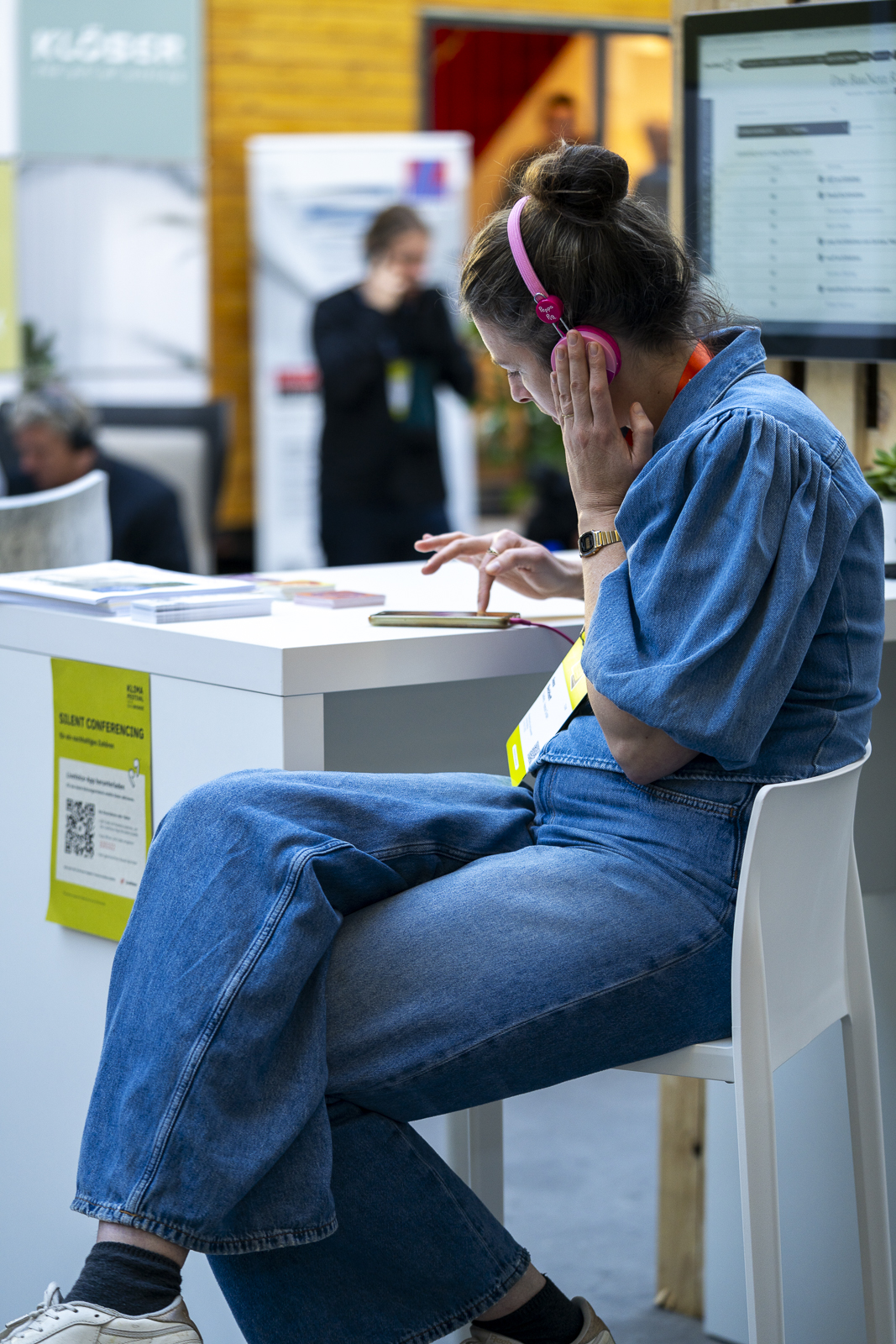
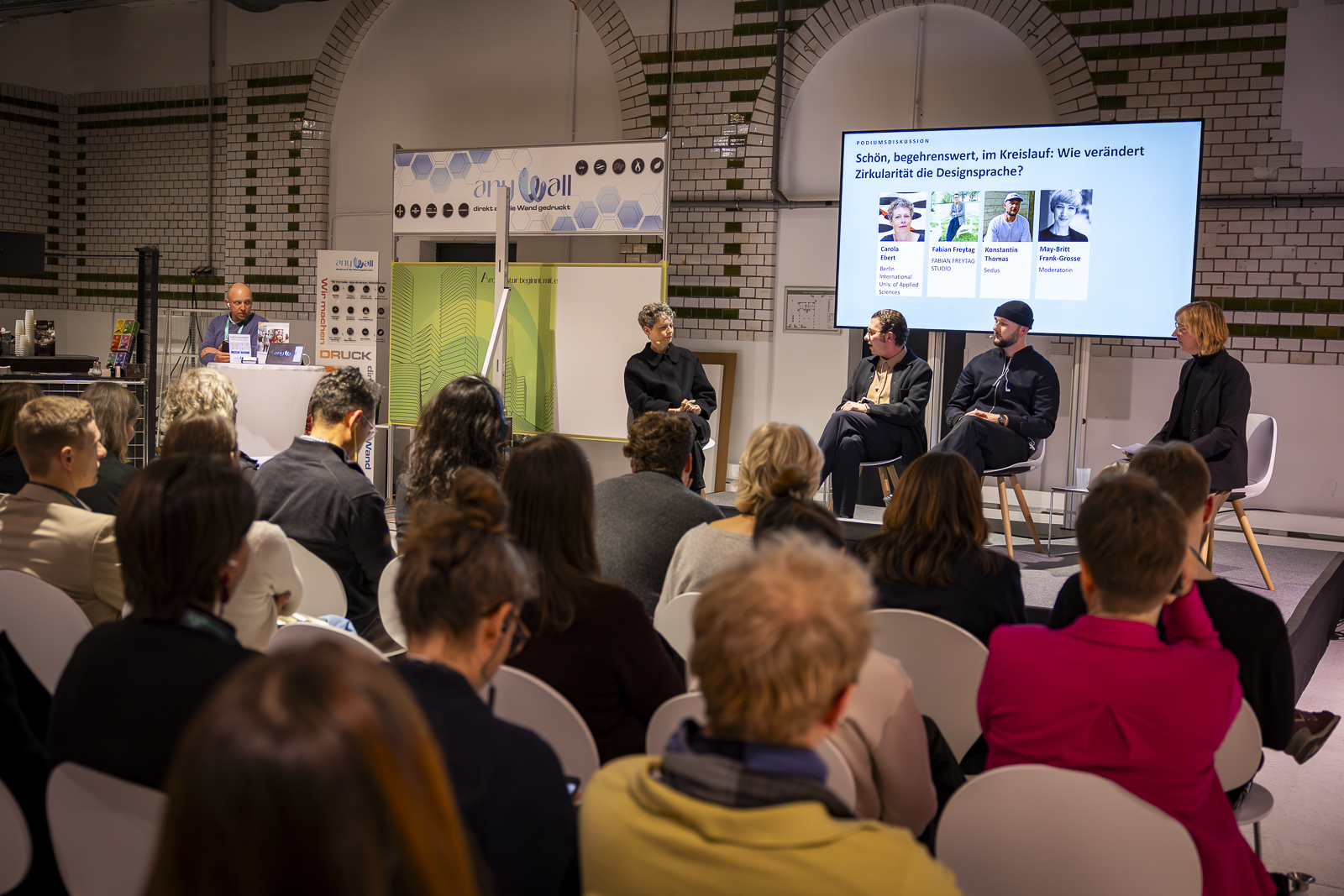
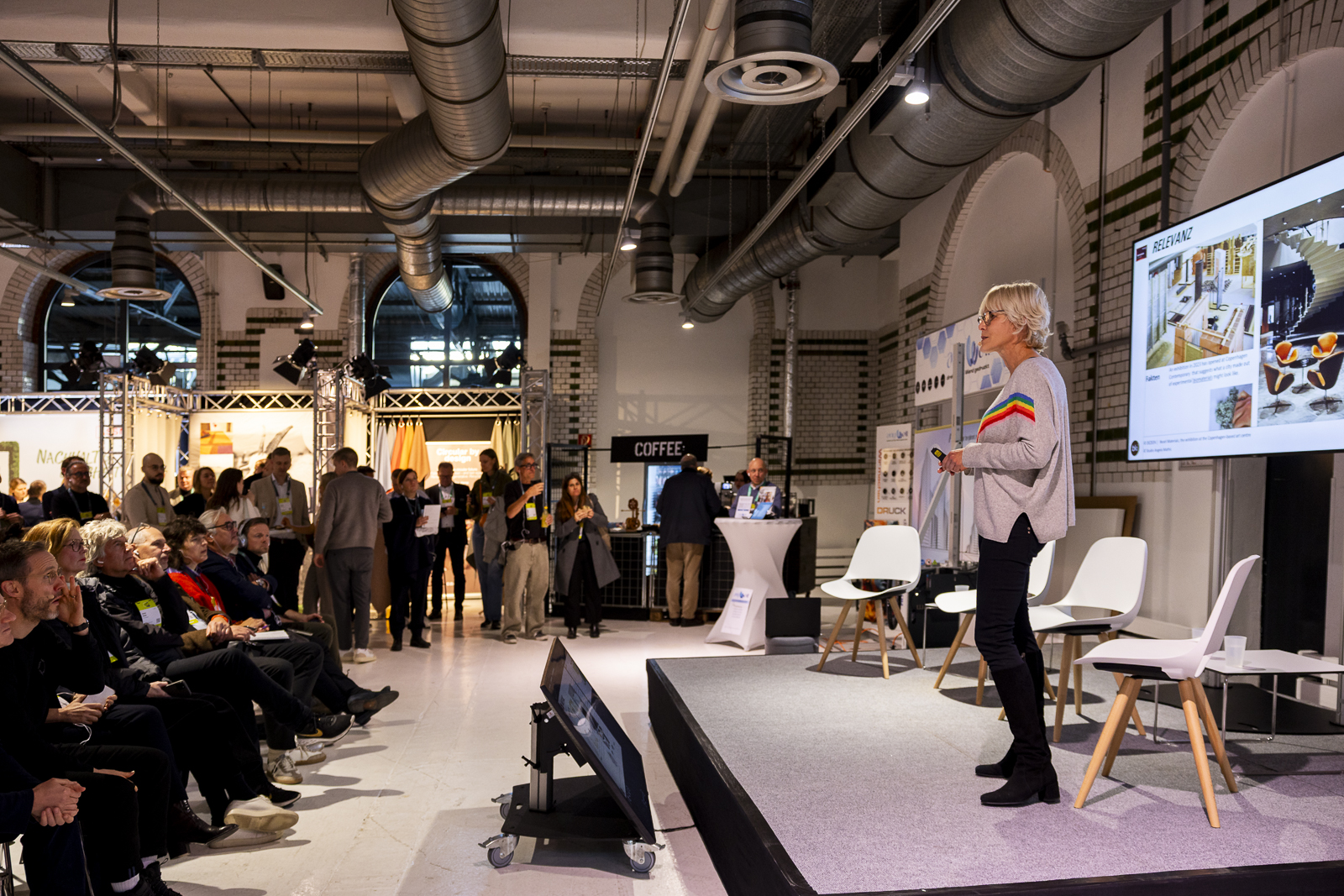
New to the program was the GREENTERRIOR section of BauNetz ID. Here, everything revolved around sustainable and future-oriented interior design. On the accompanying stage, experts discussed circular furniture, the repurposing of existing structures, and how aesthetics, function, and resource conservation can be intelligently combined.
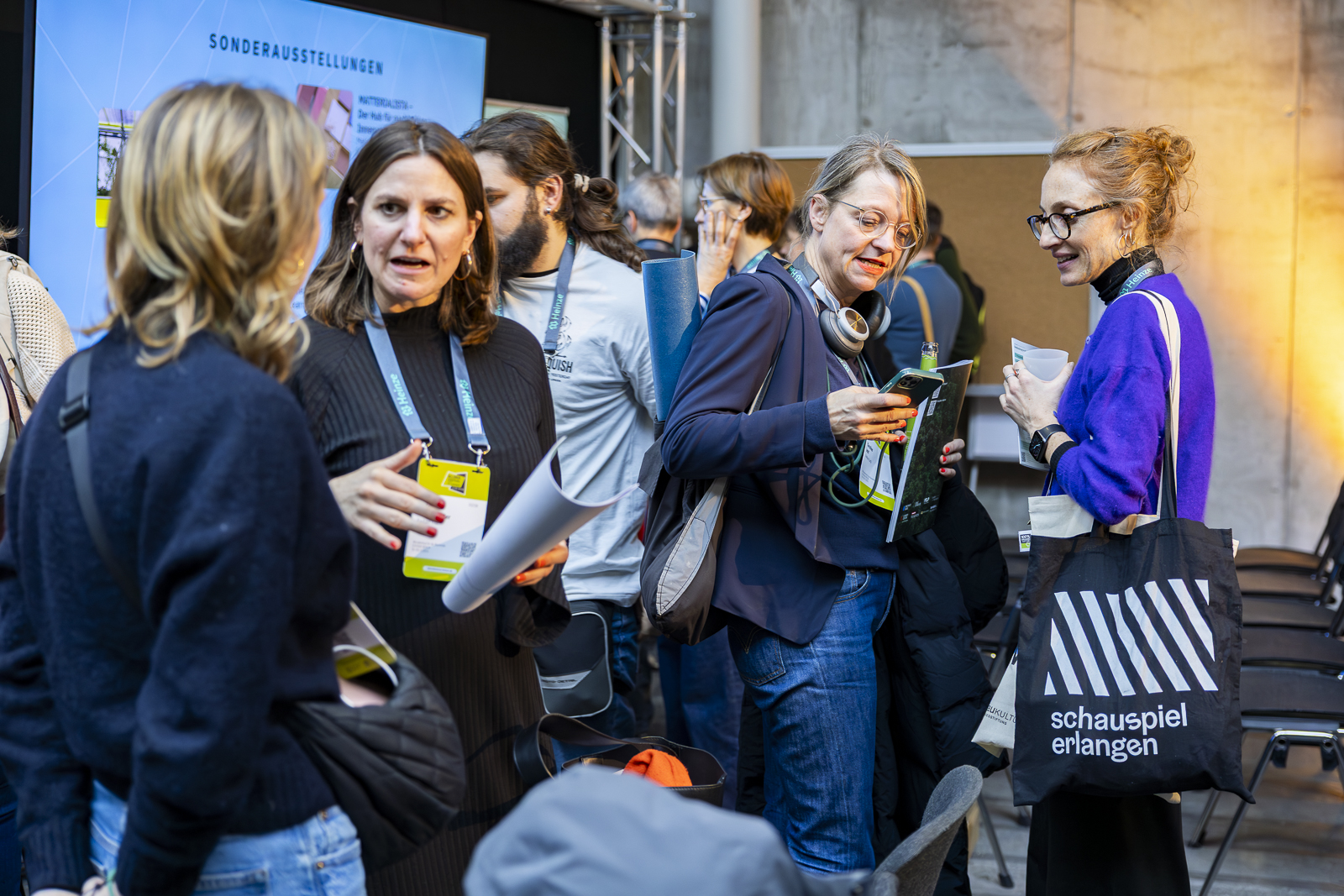
Debate, discourse, and genuine exchange
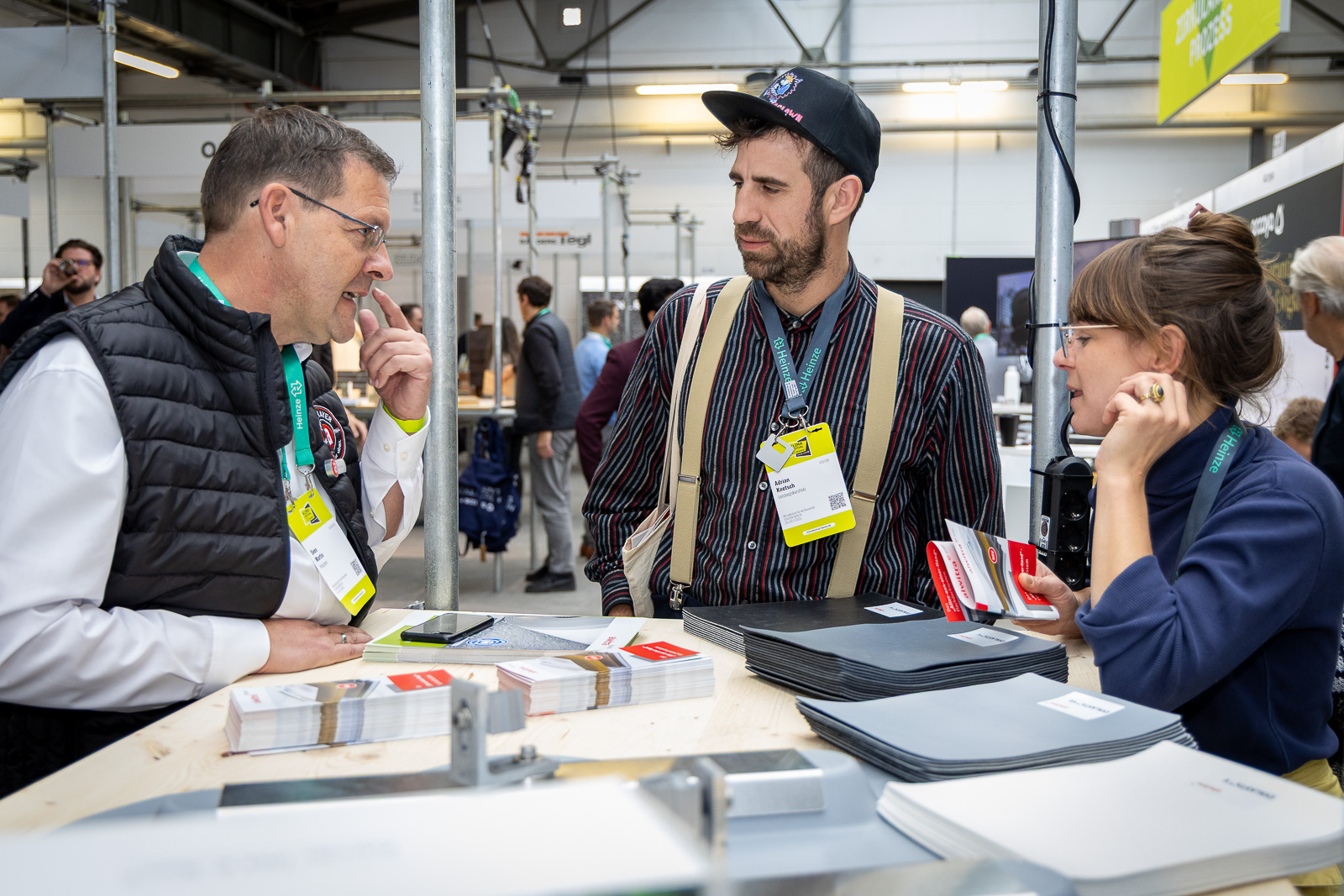
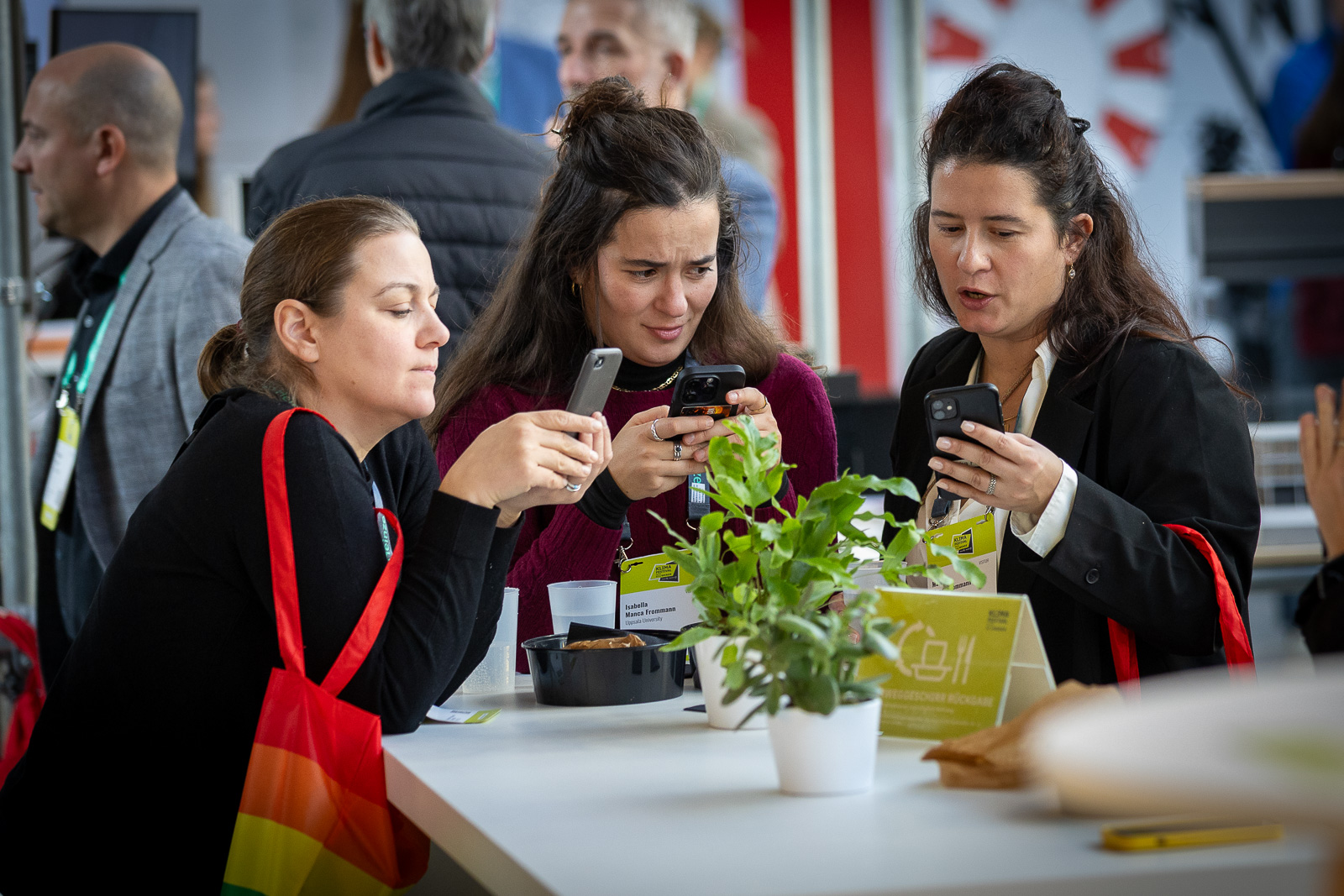
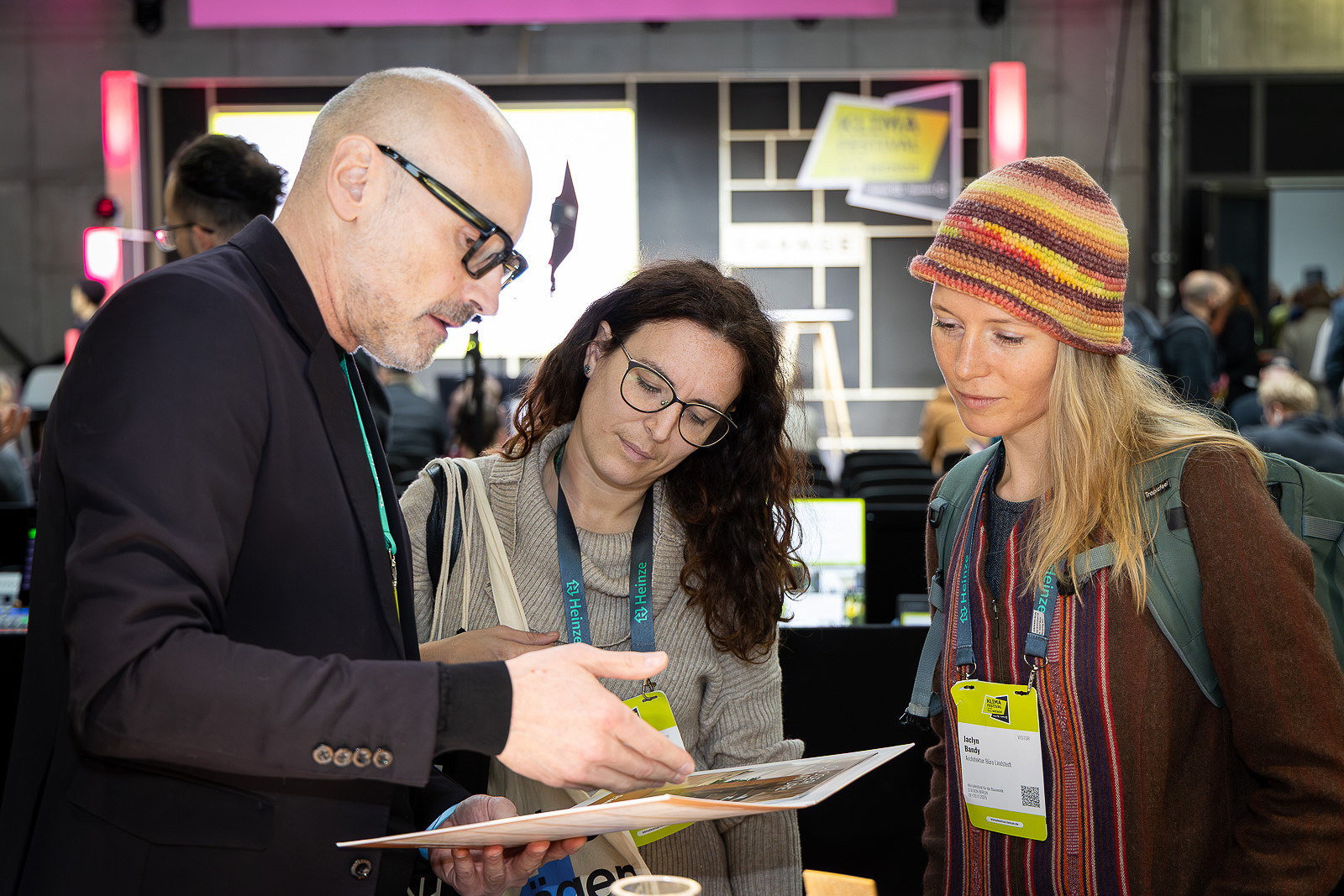
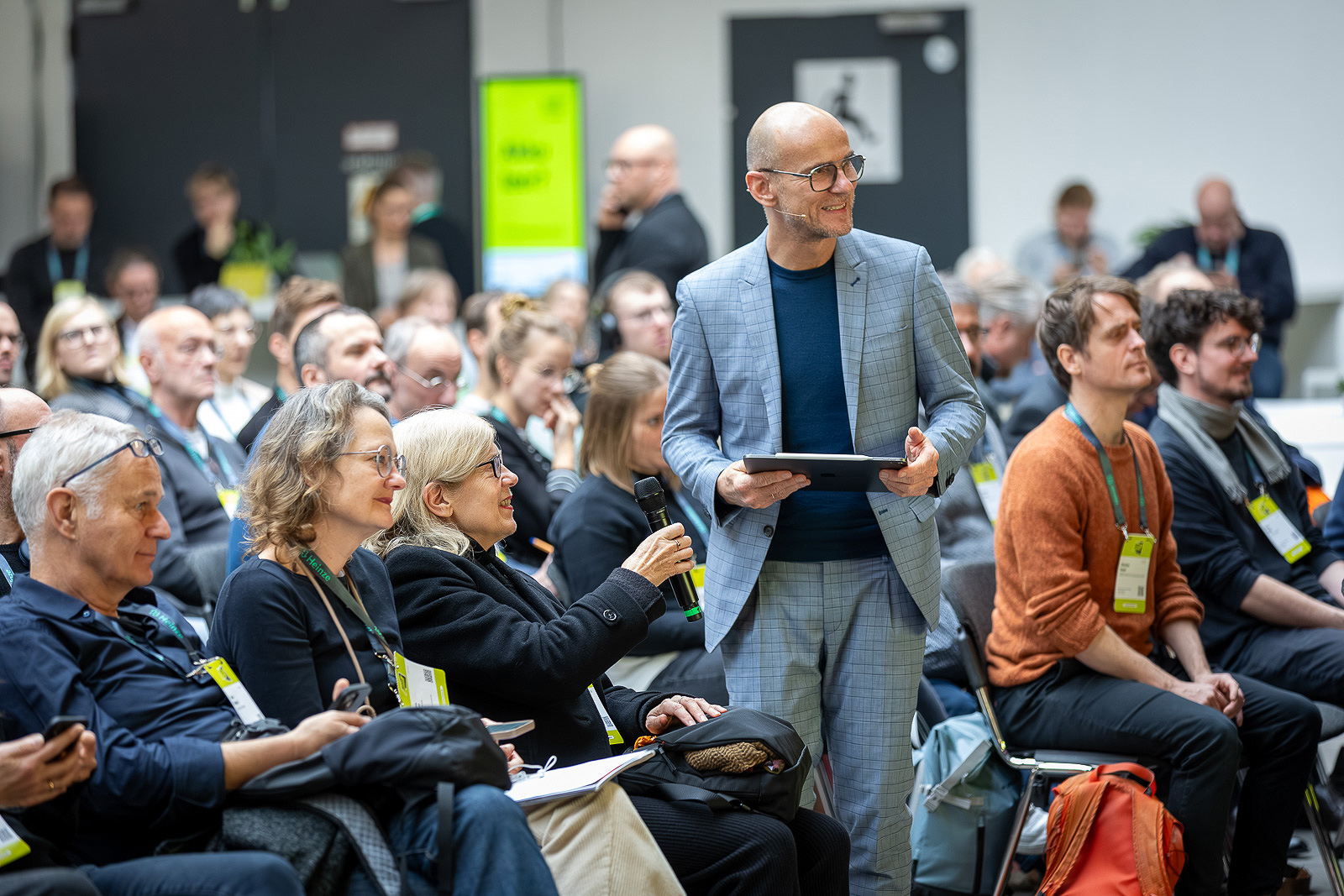
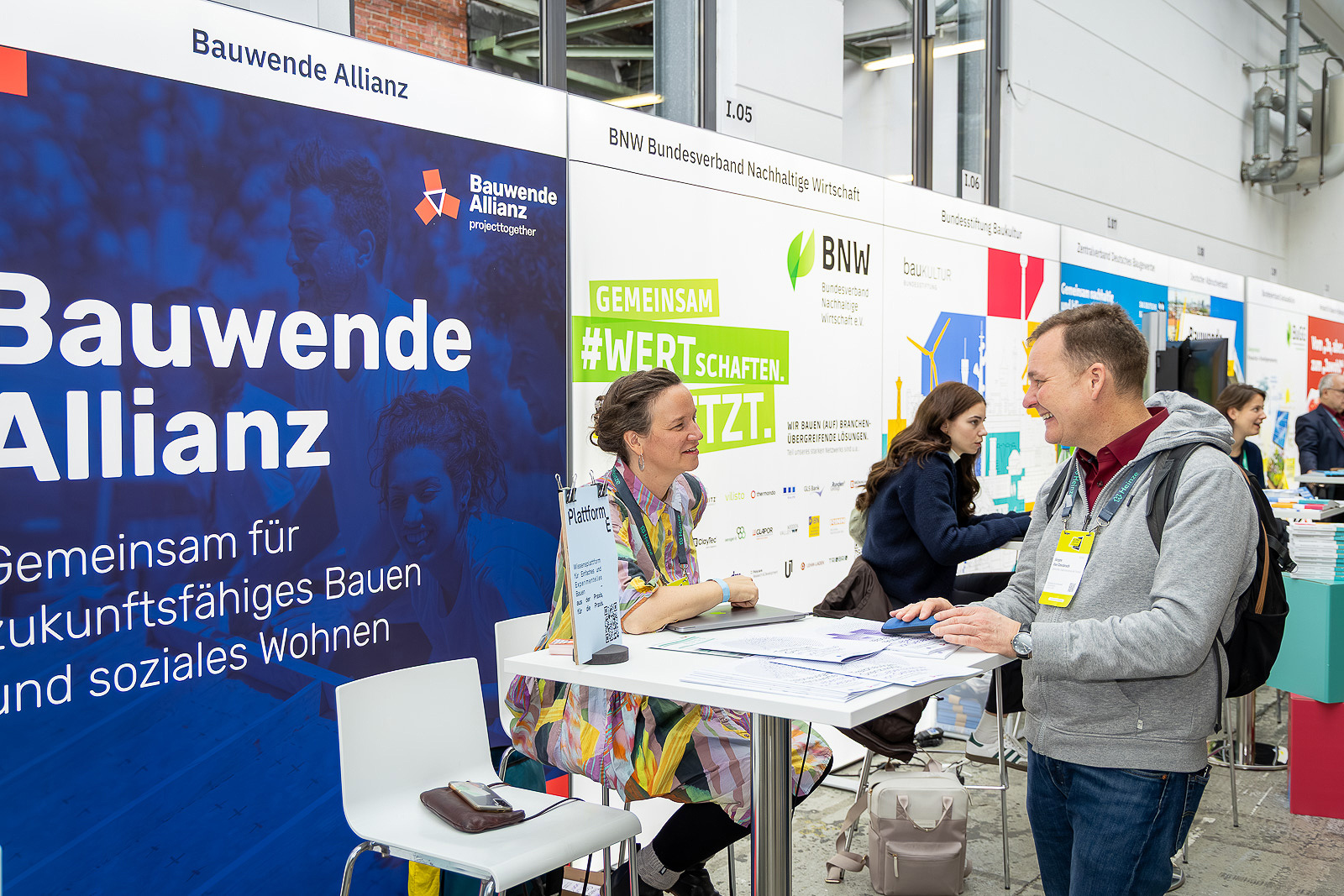
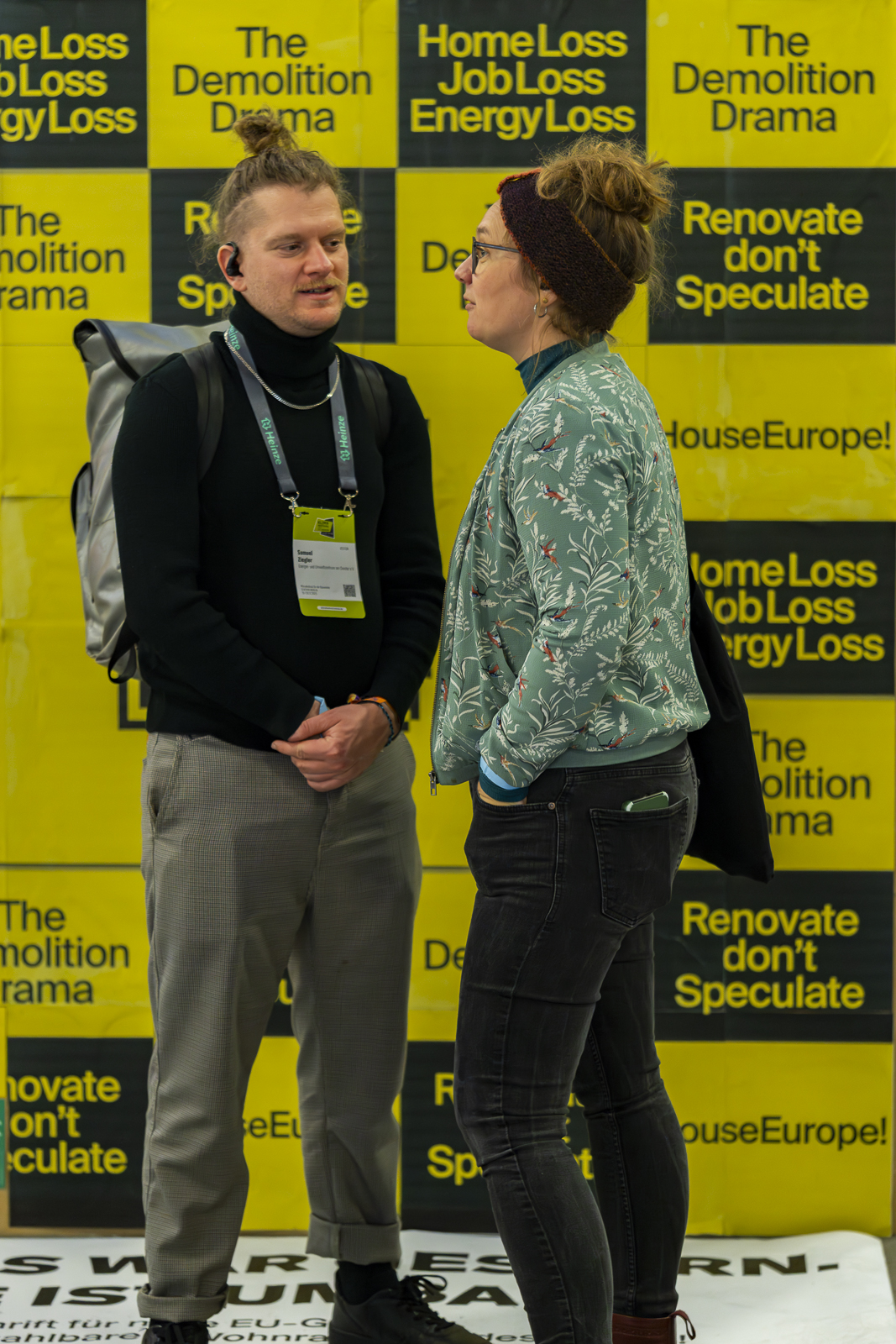
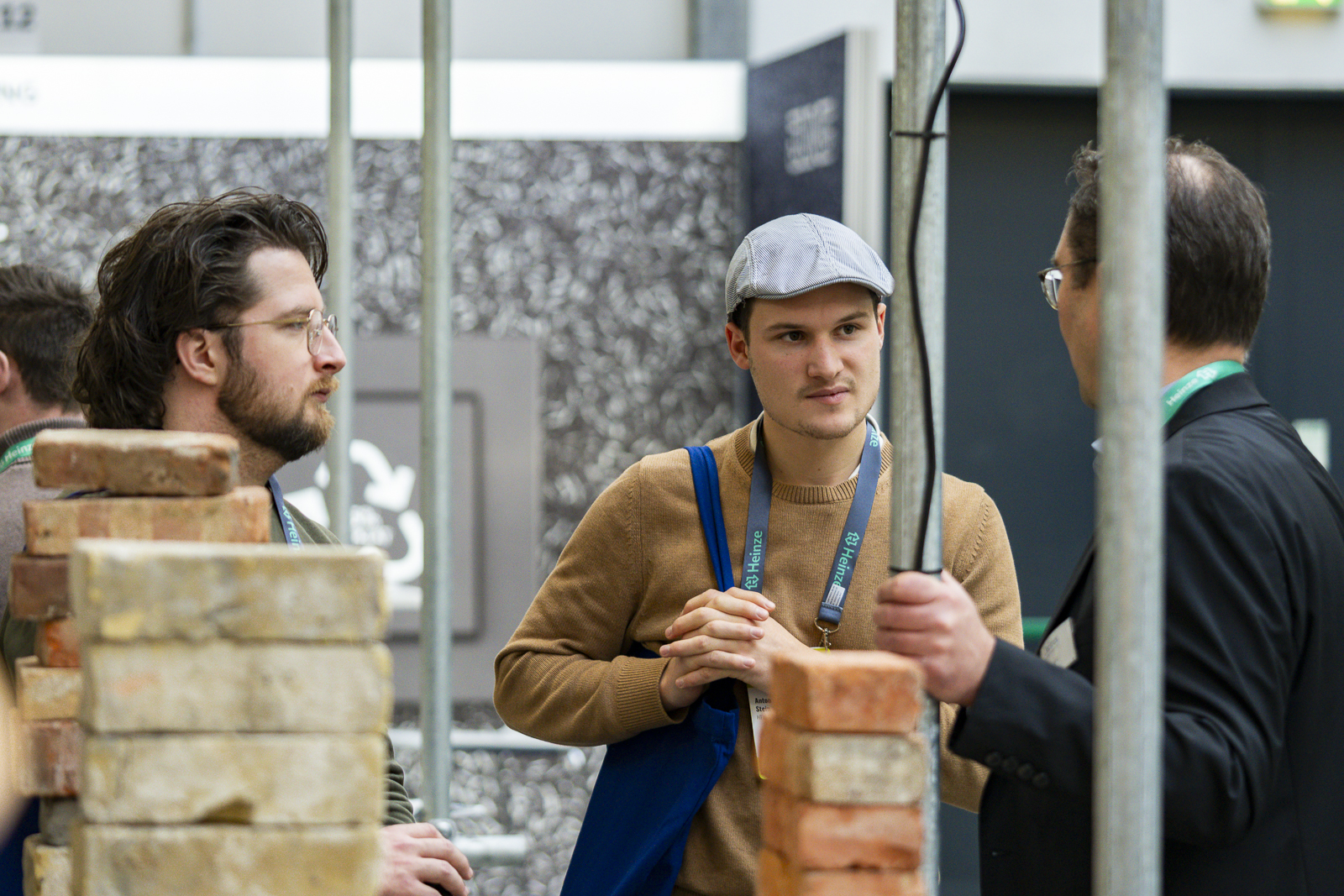
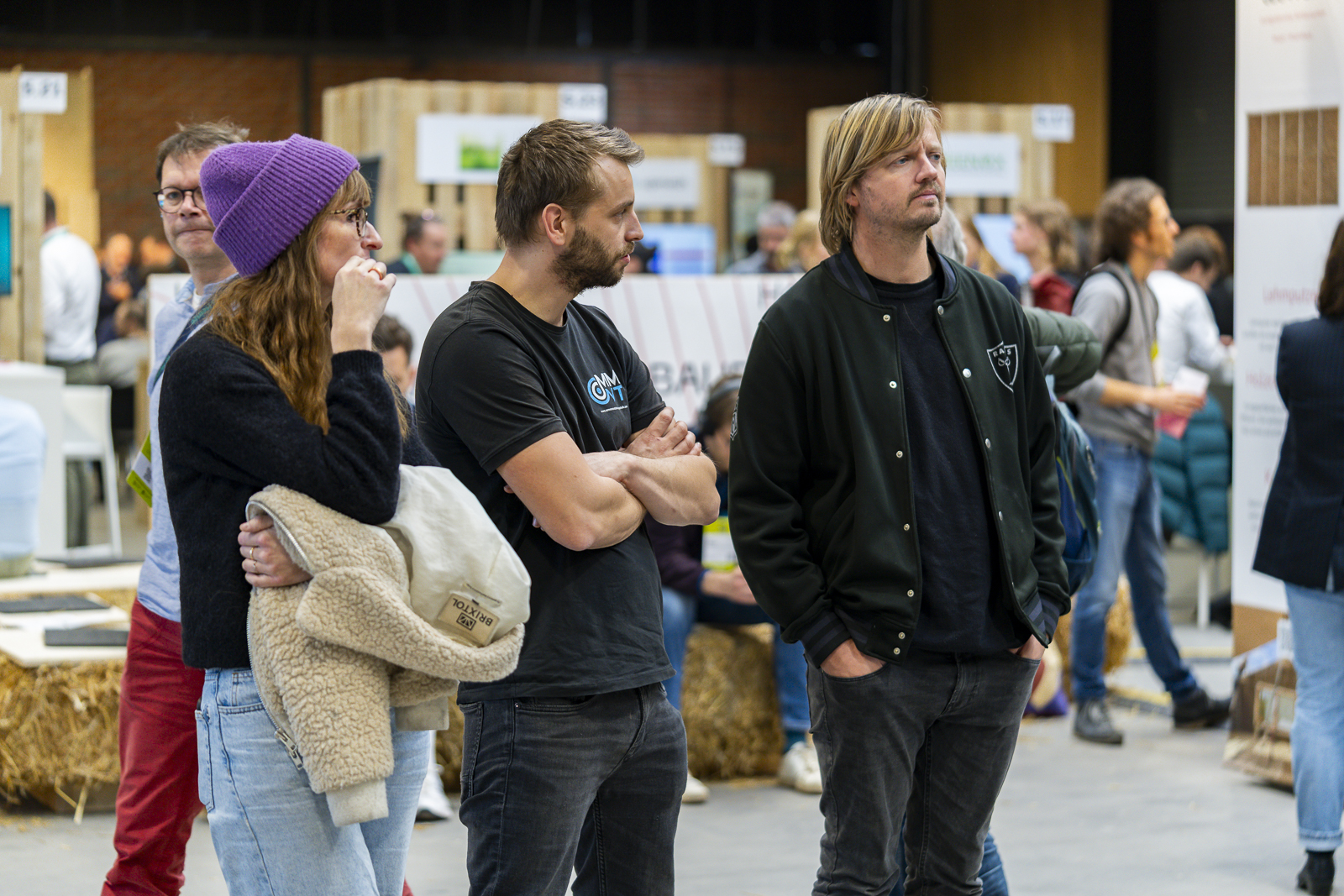
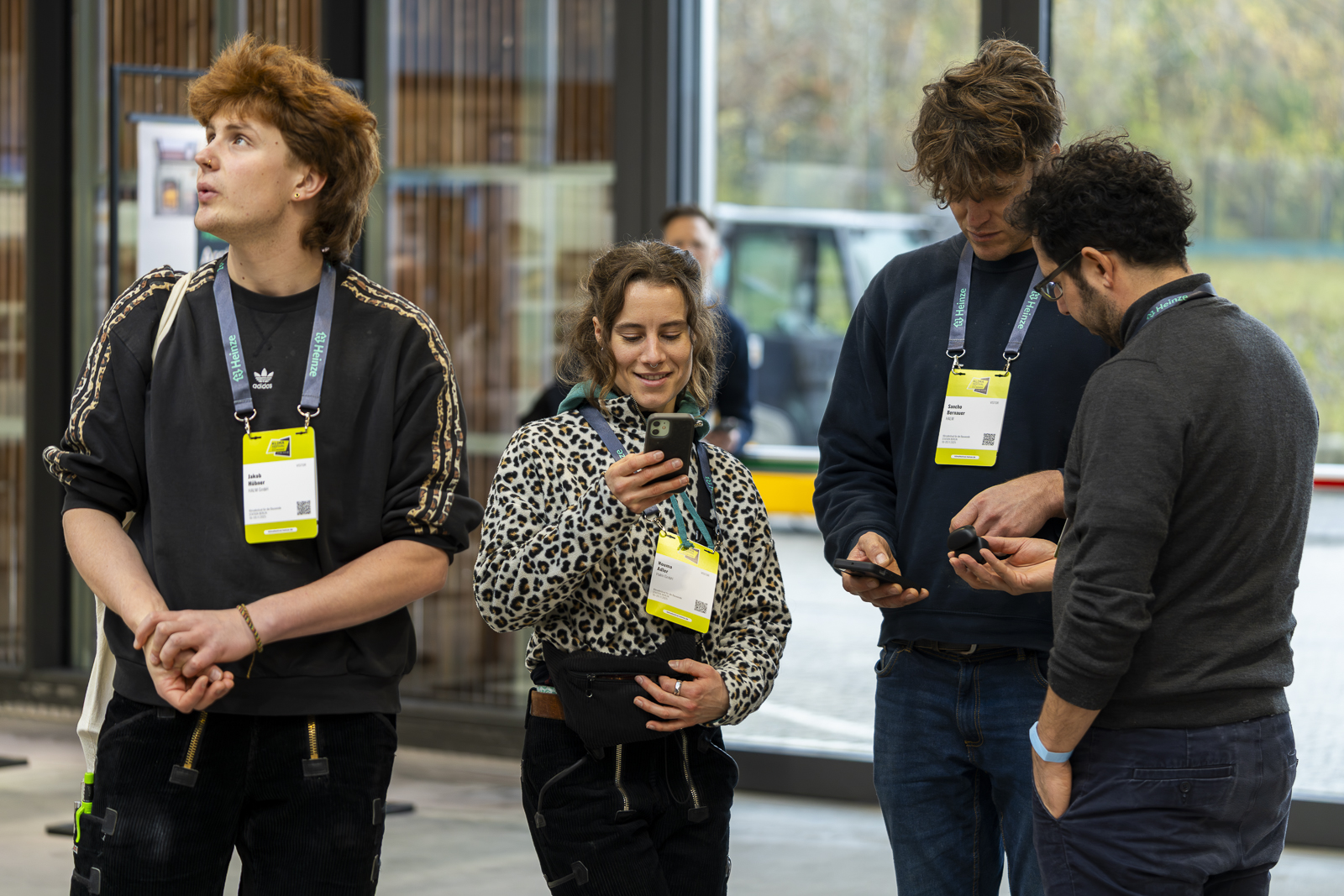
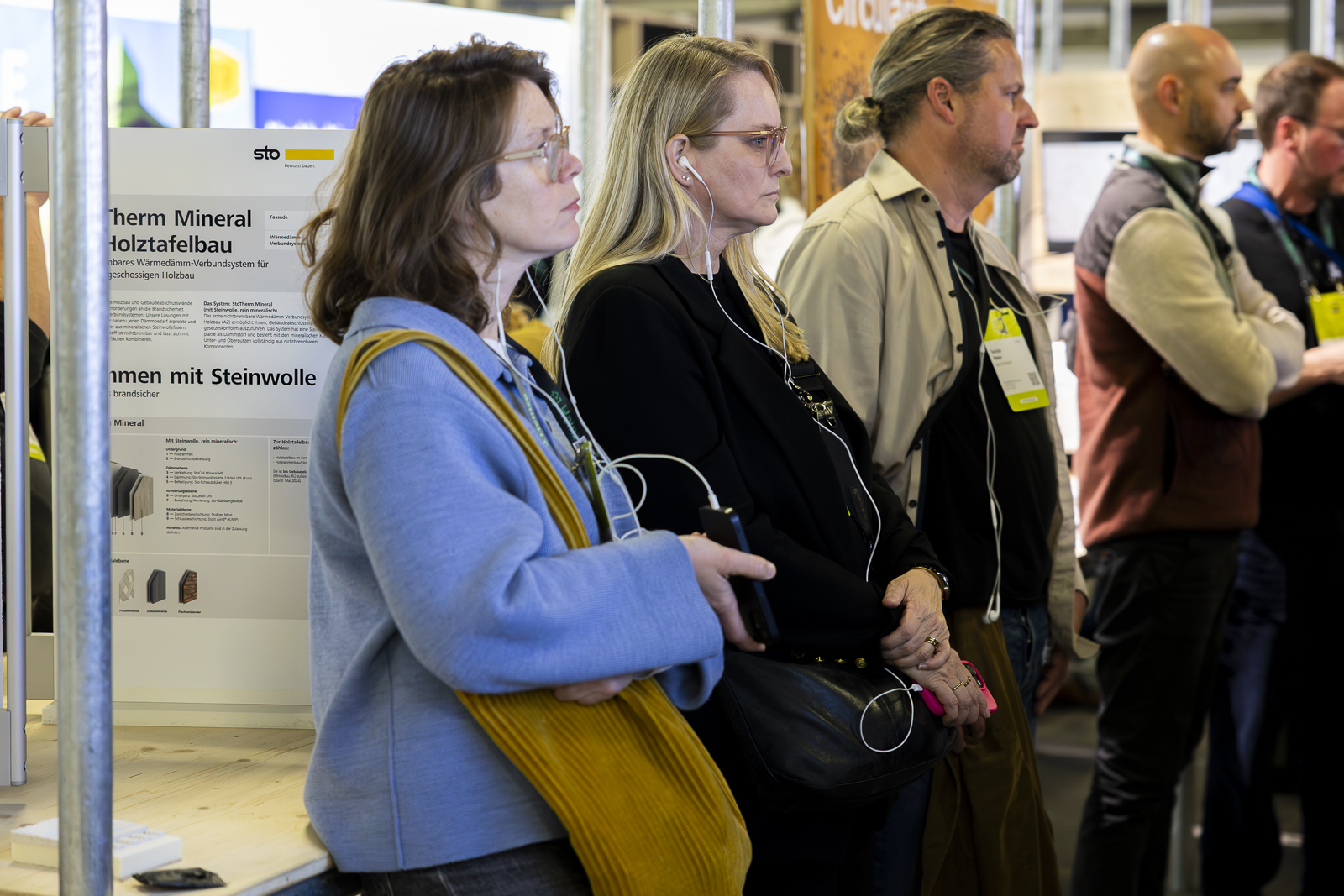
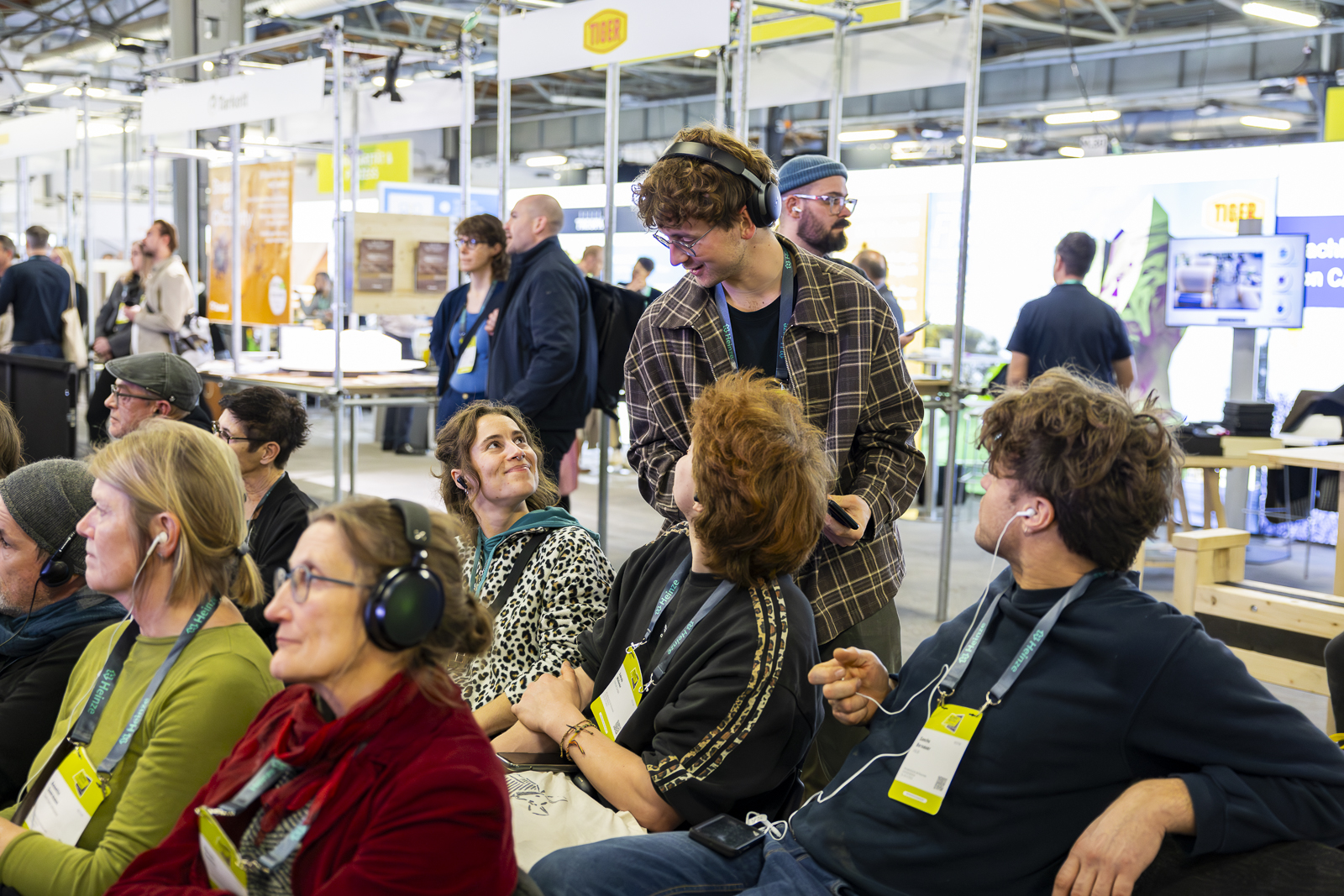
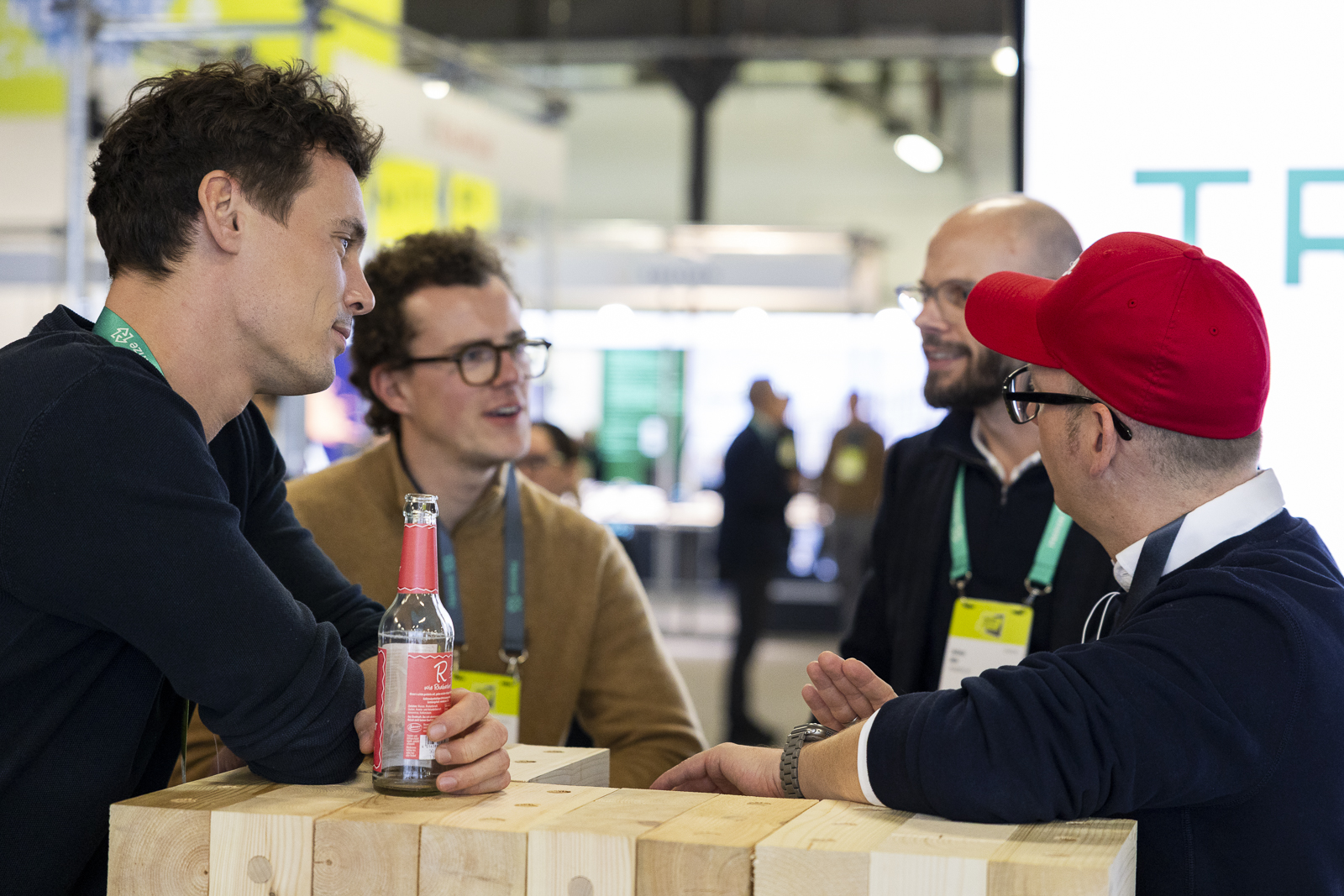
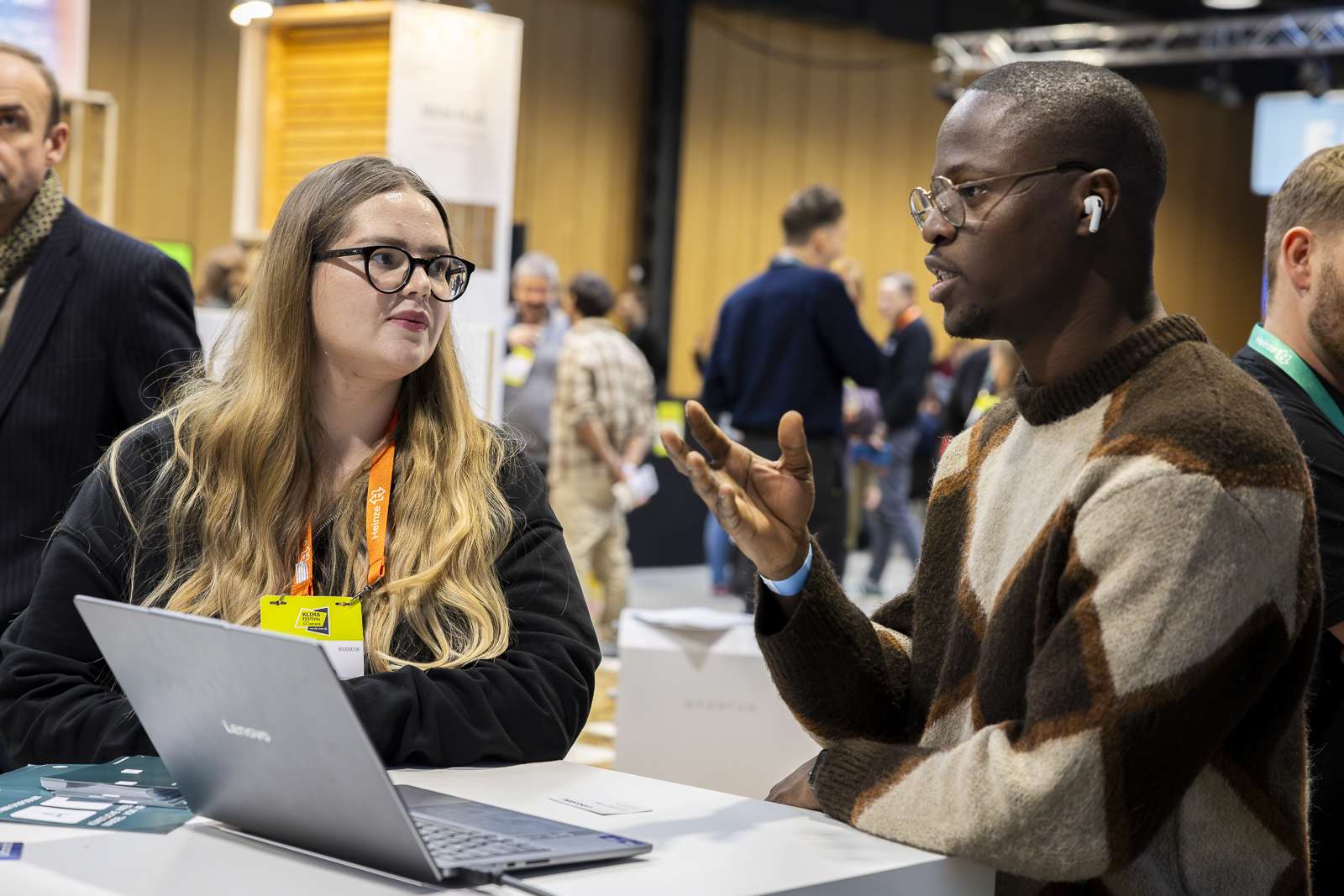
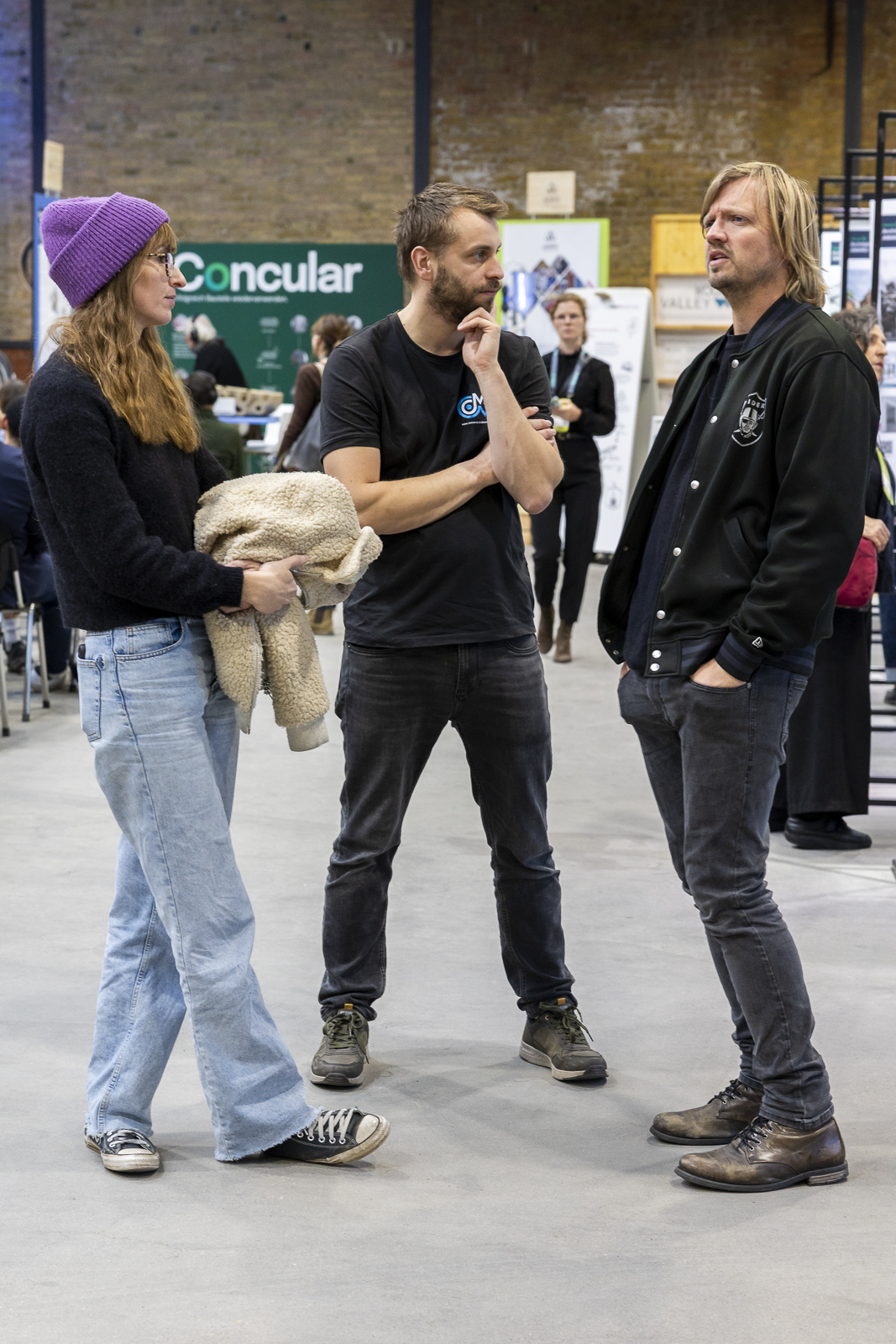
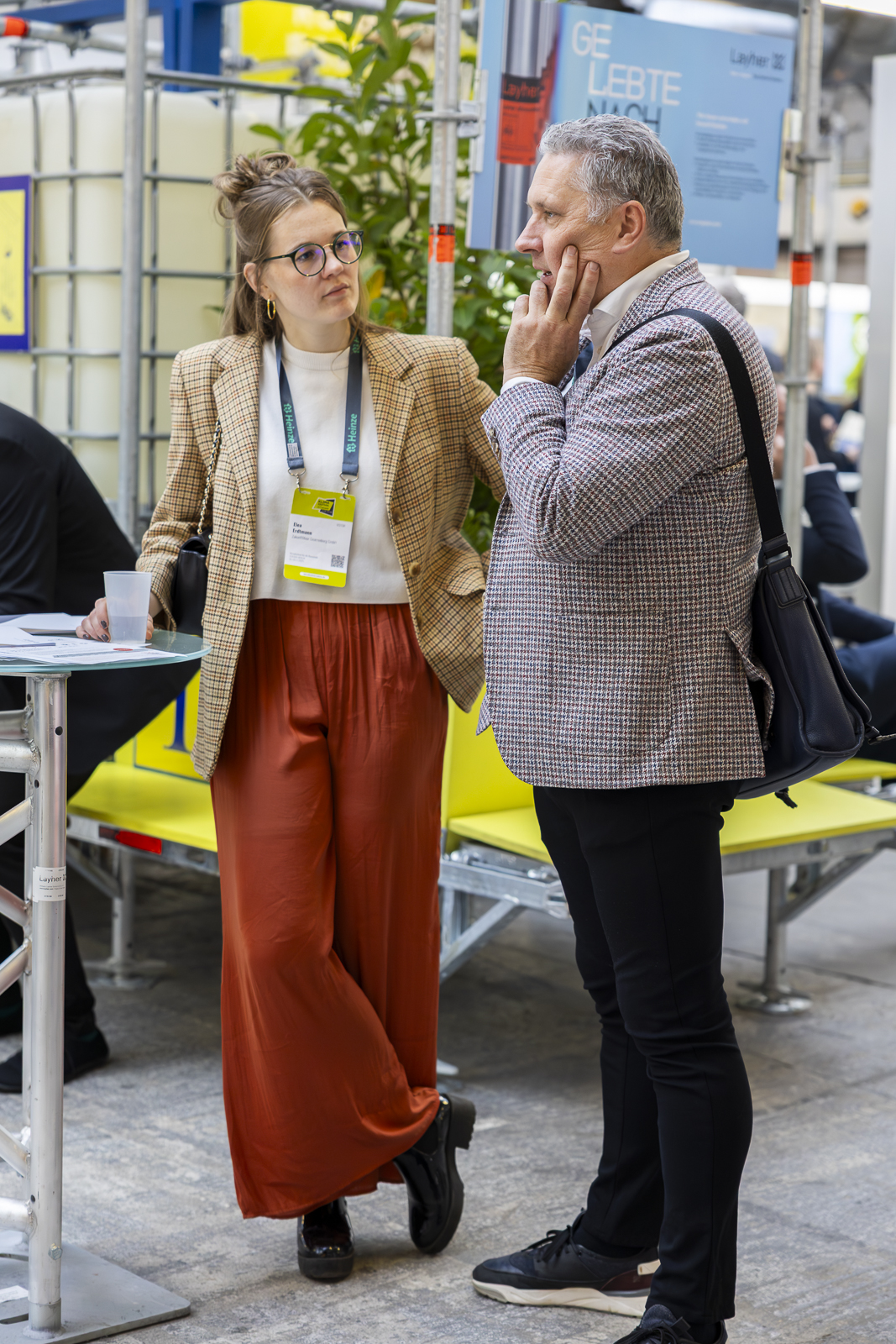
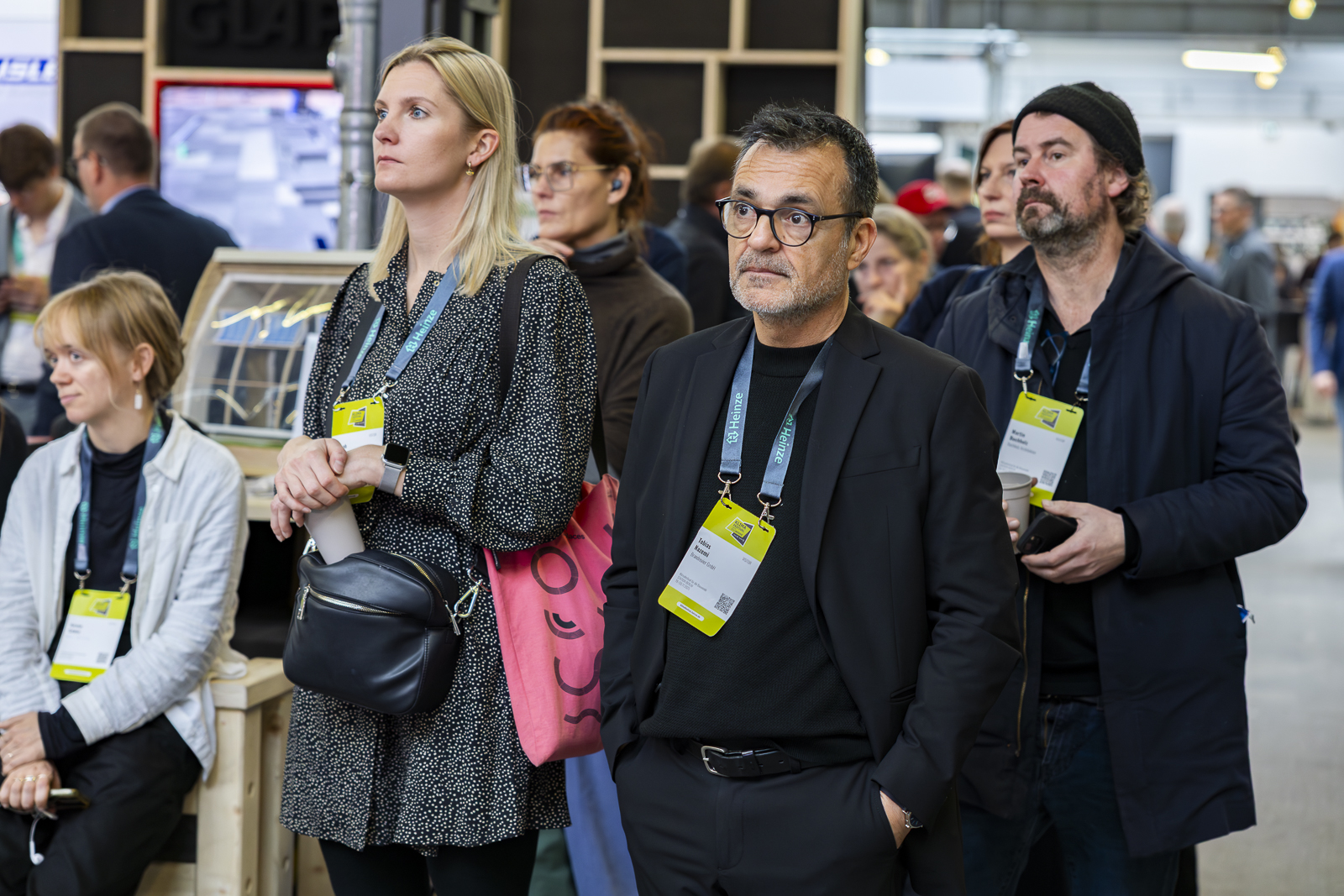
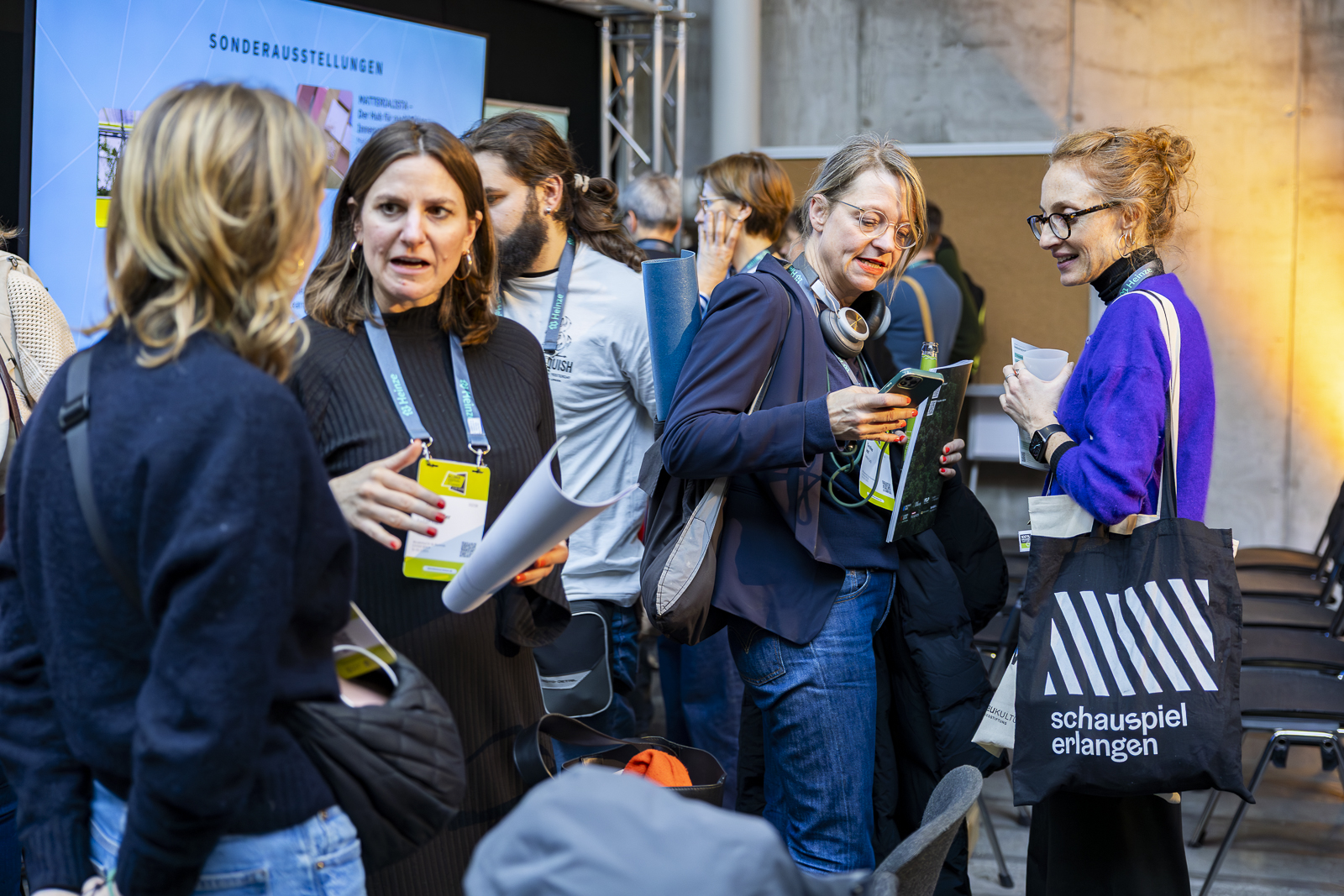
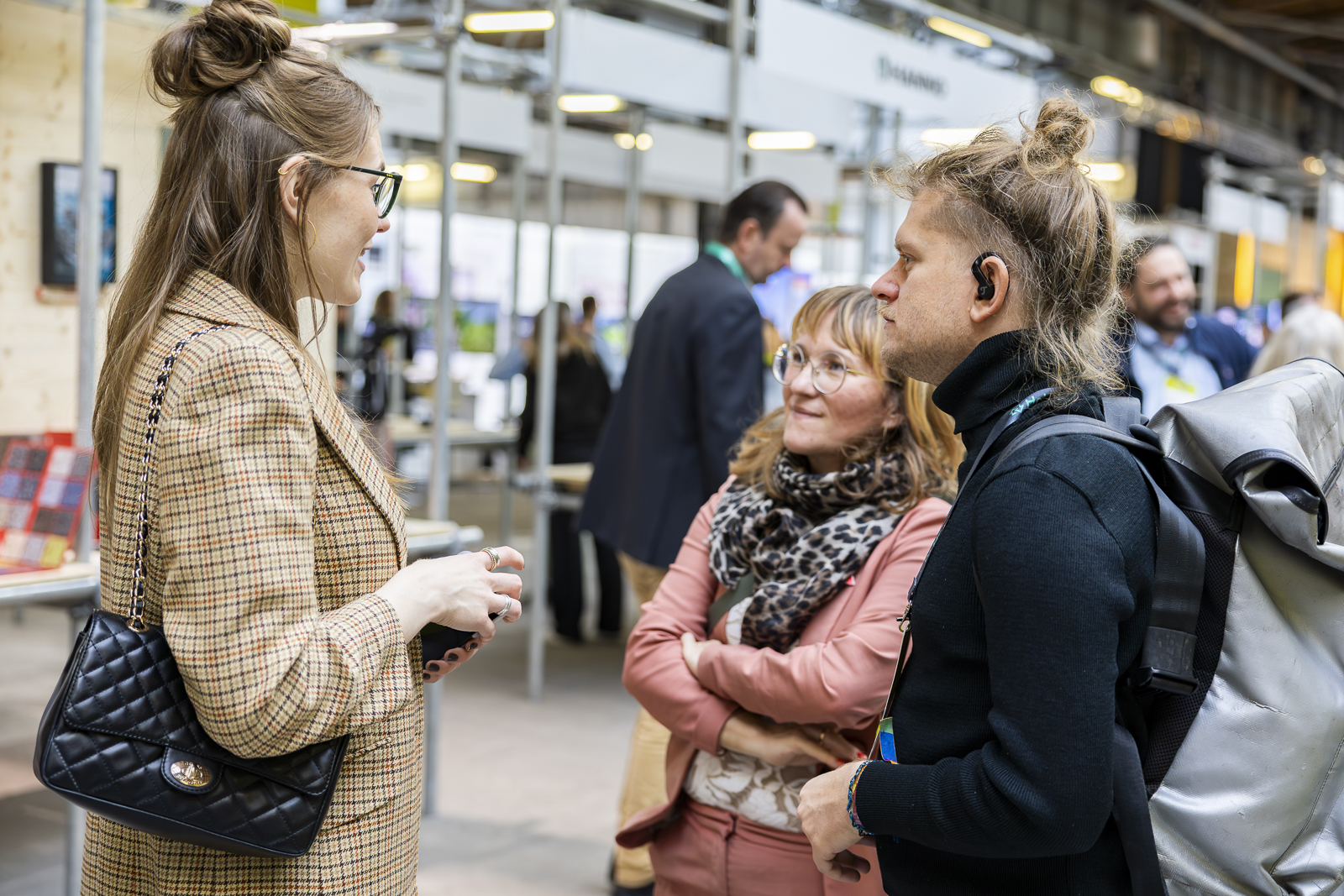
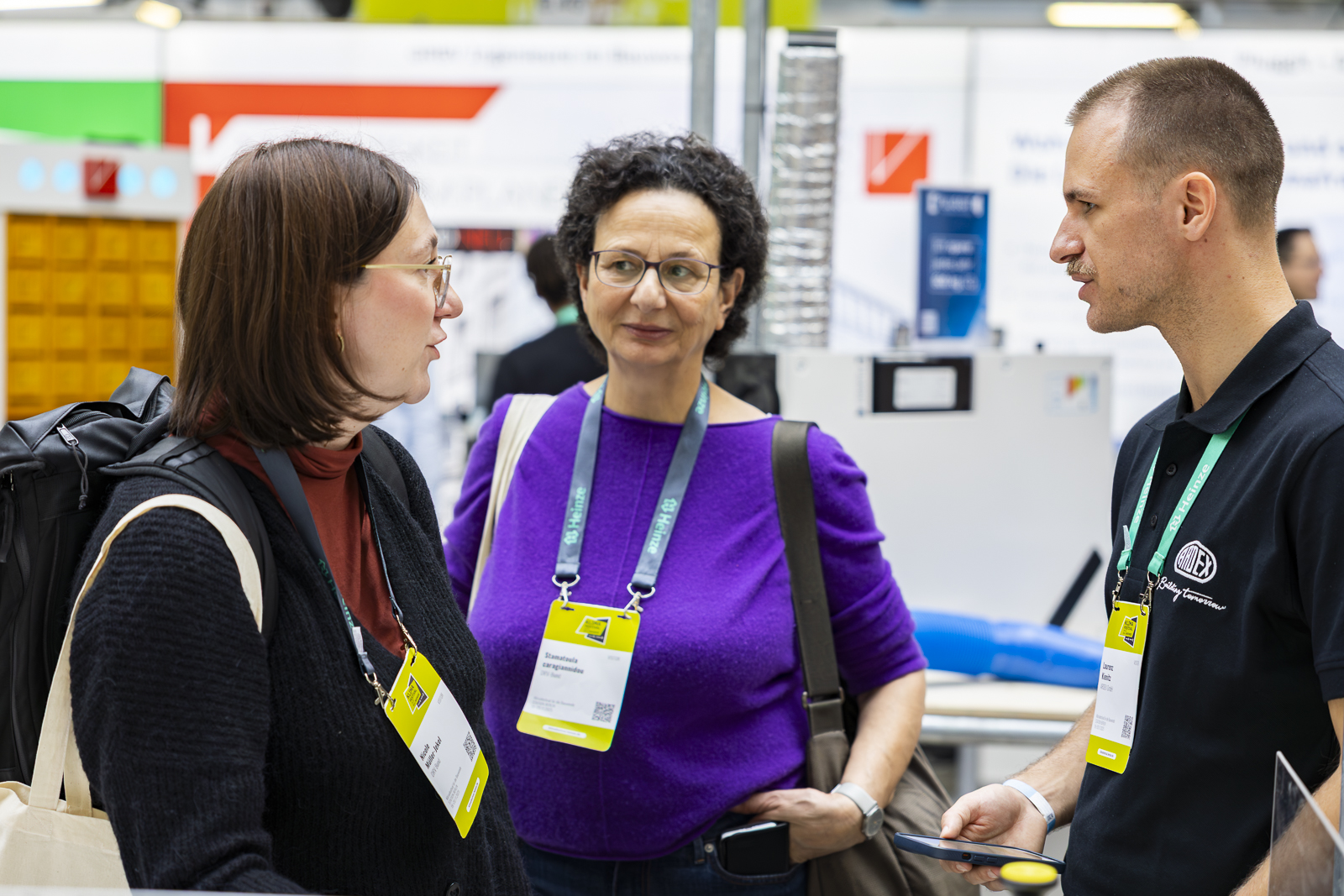
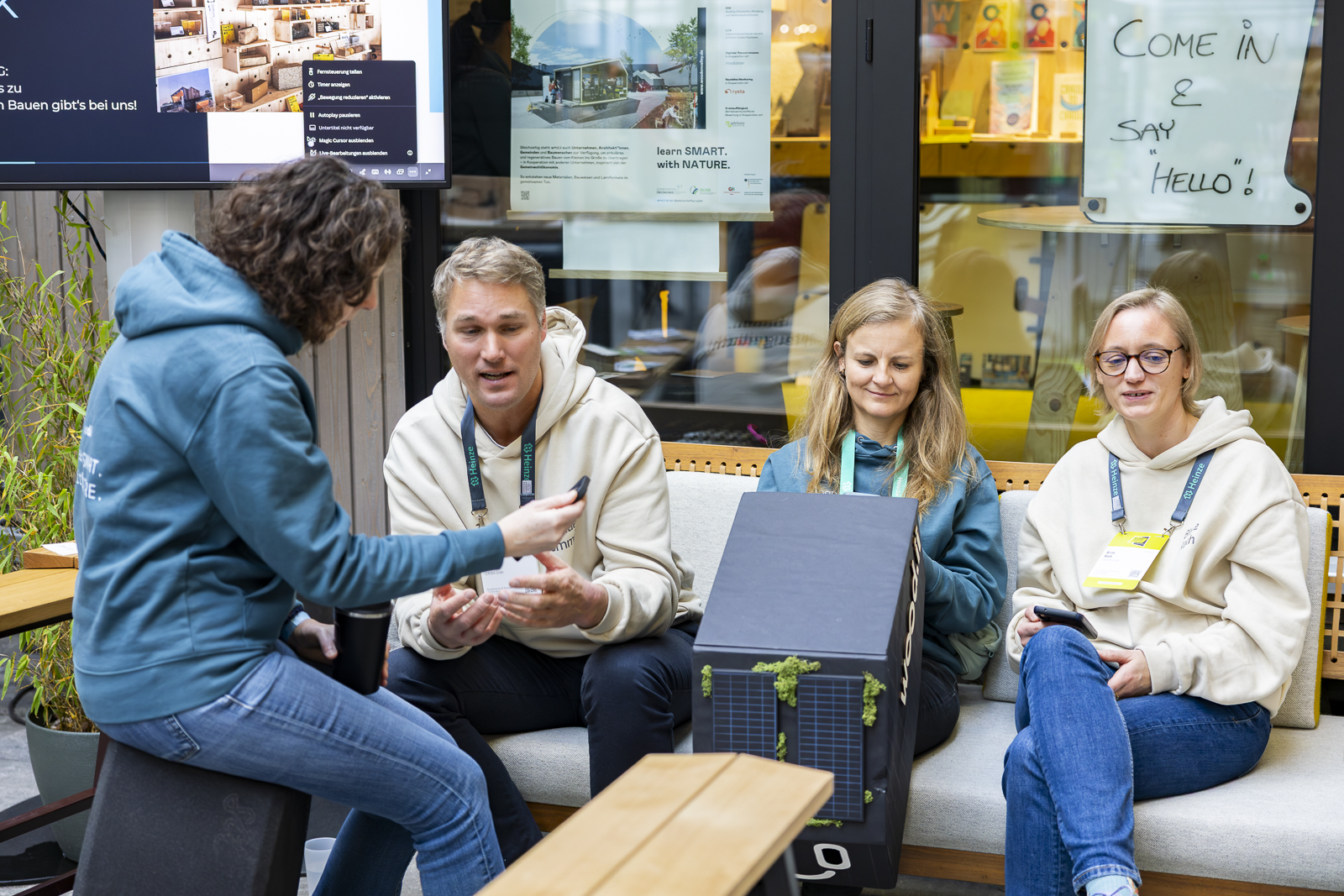
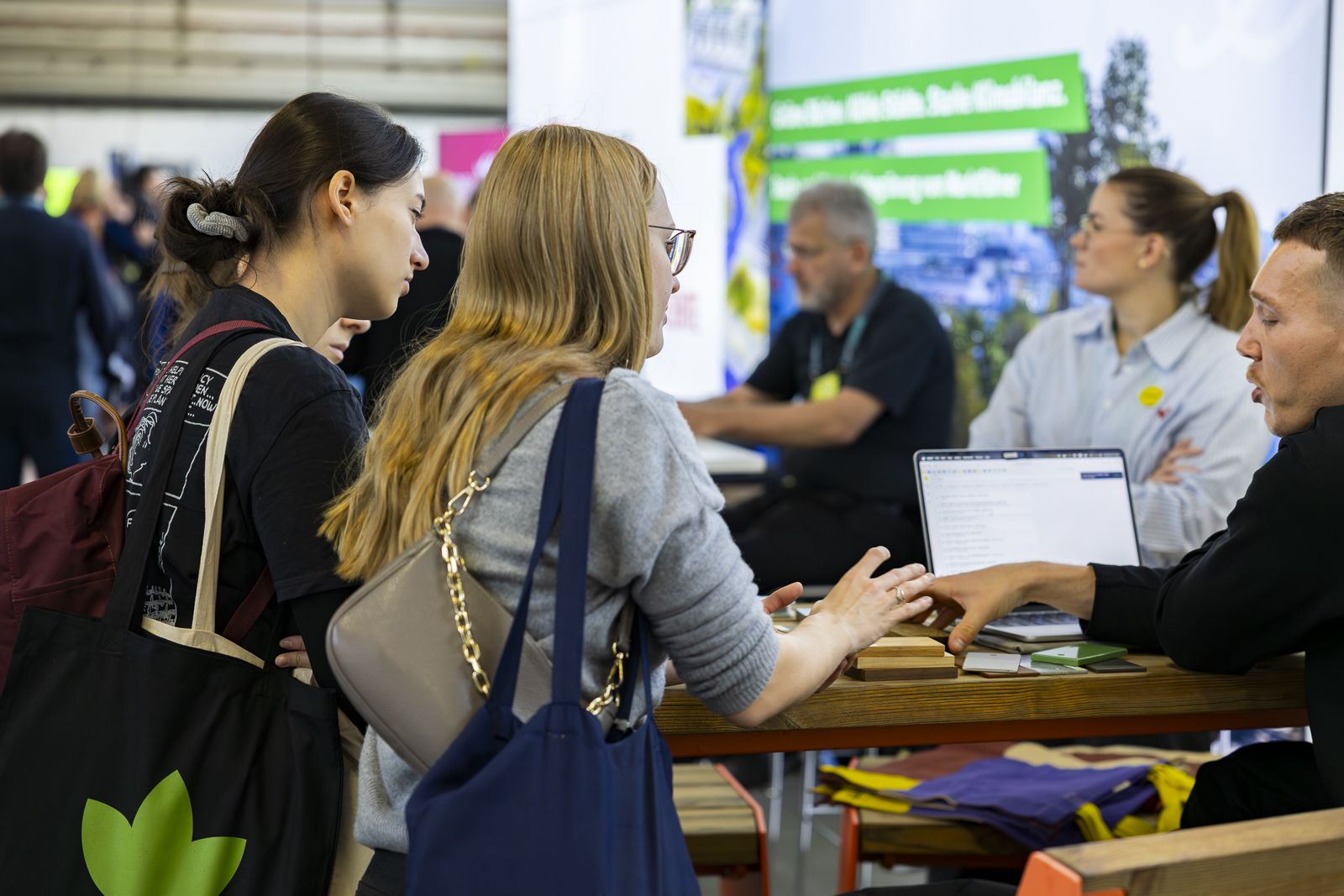
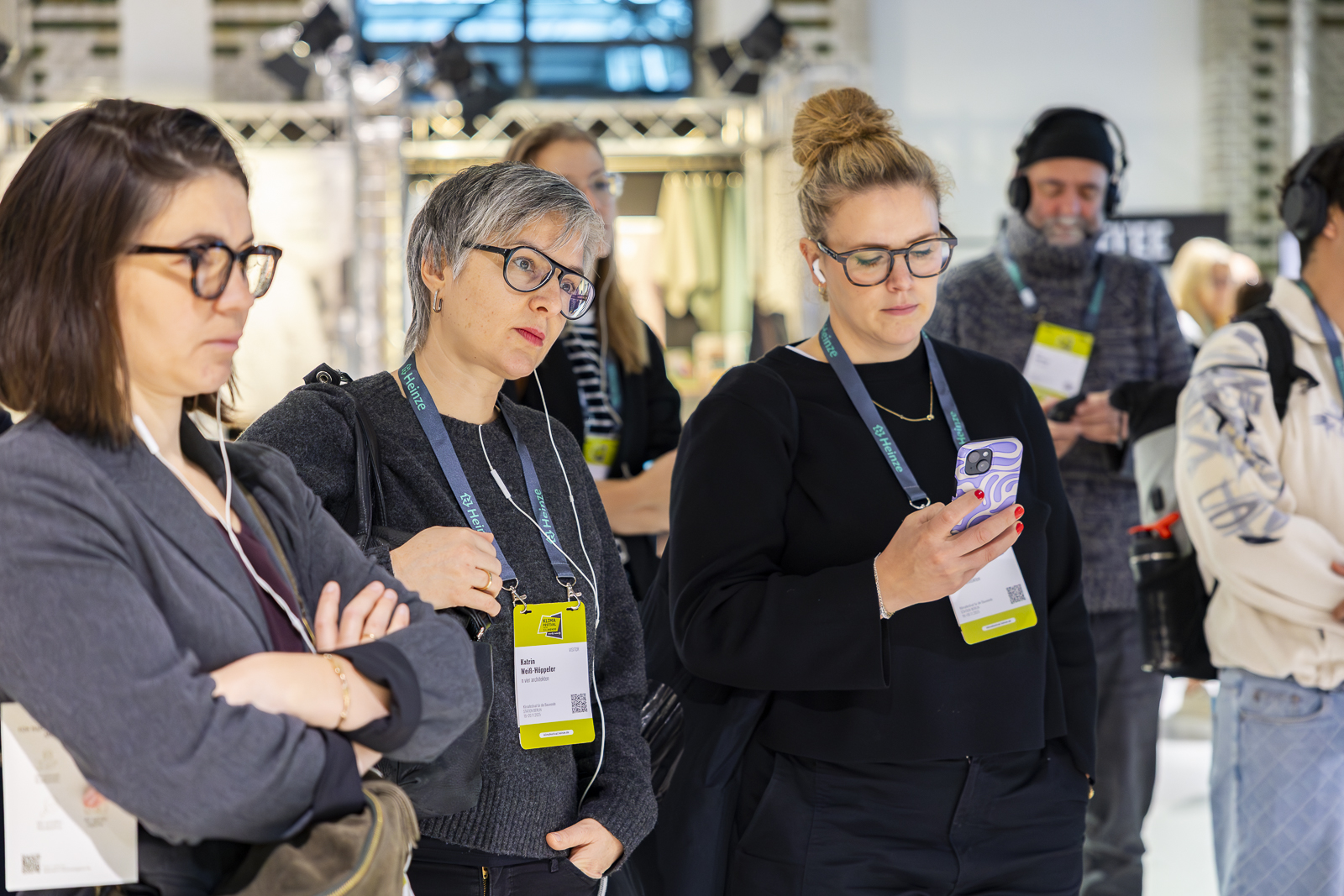
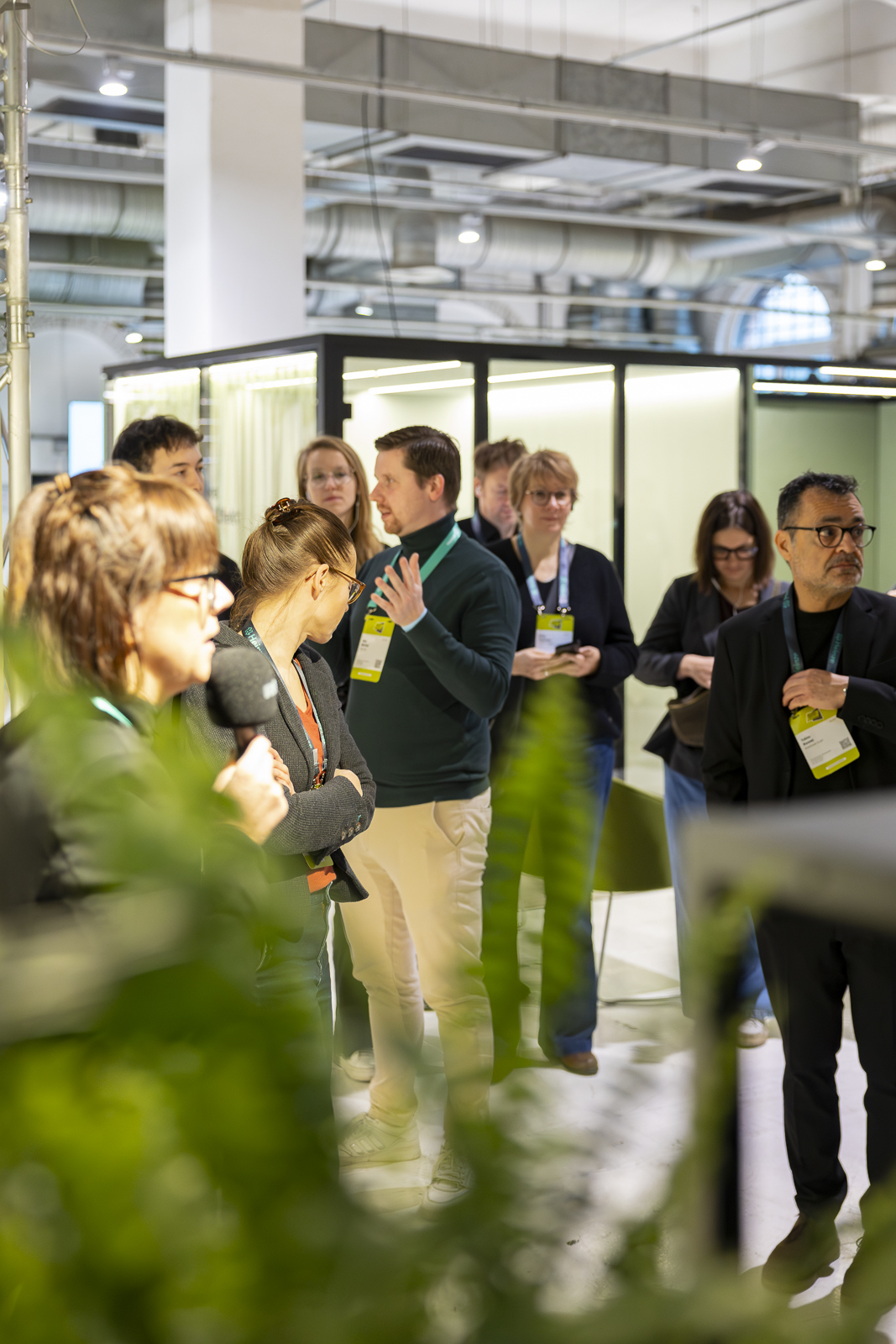
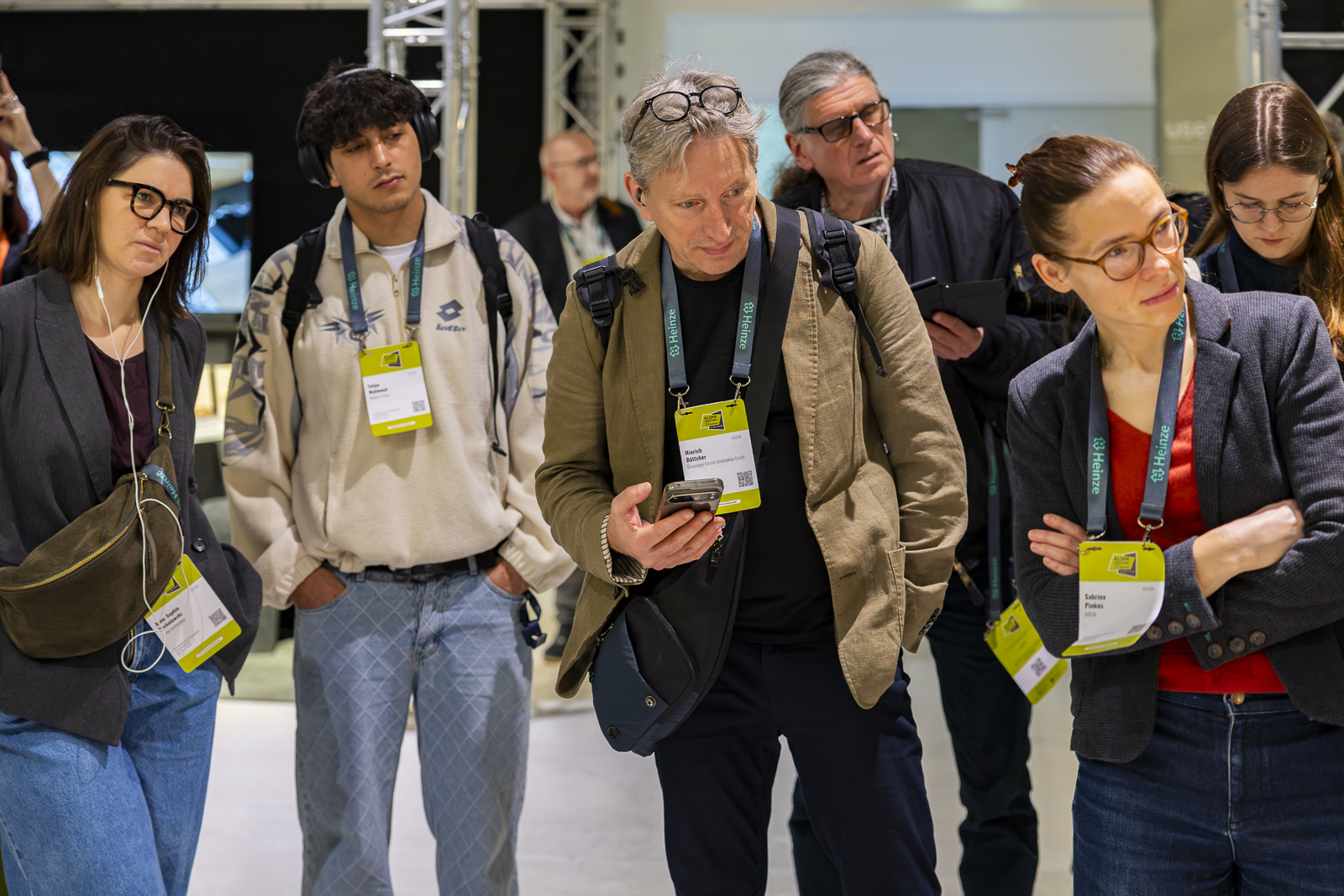
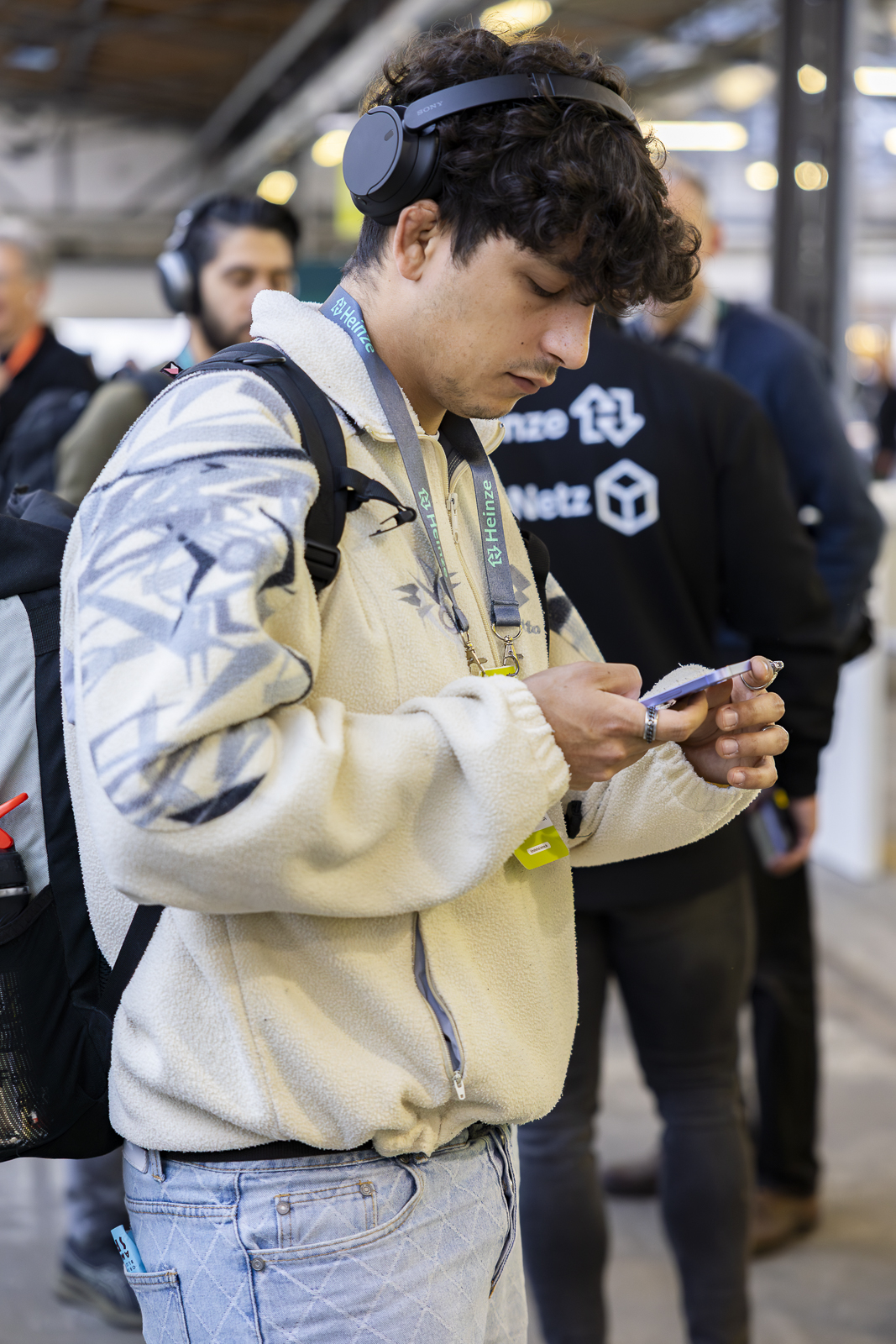
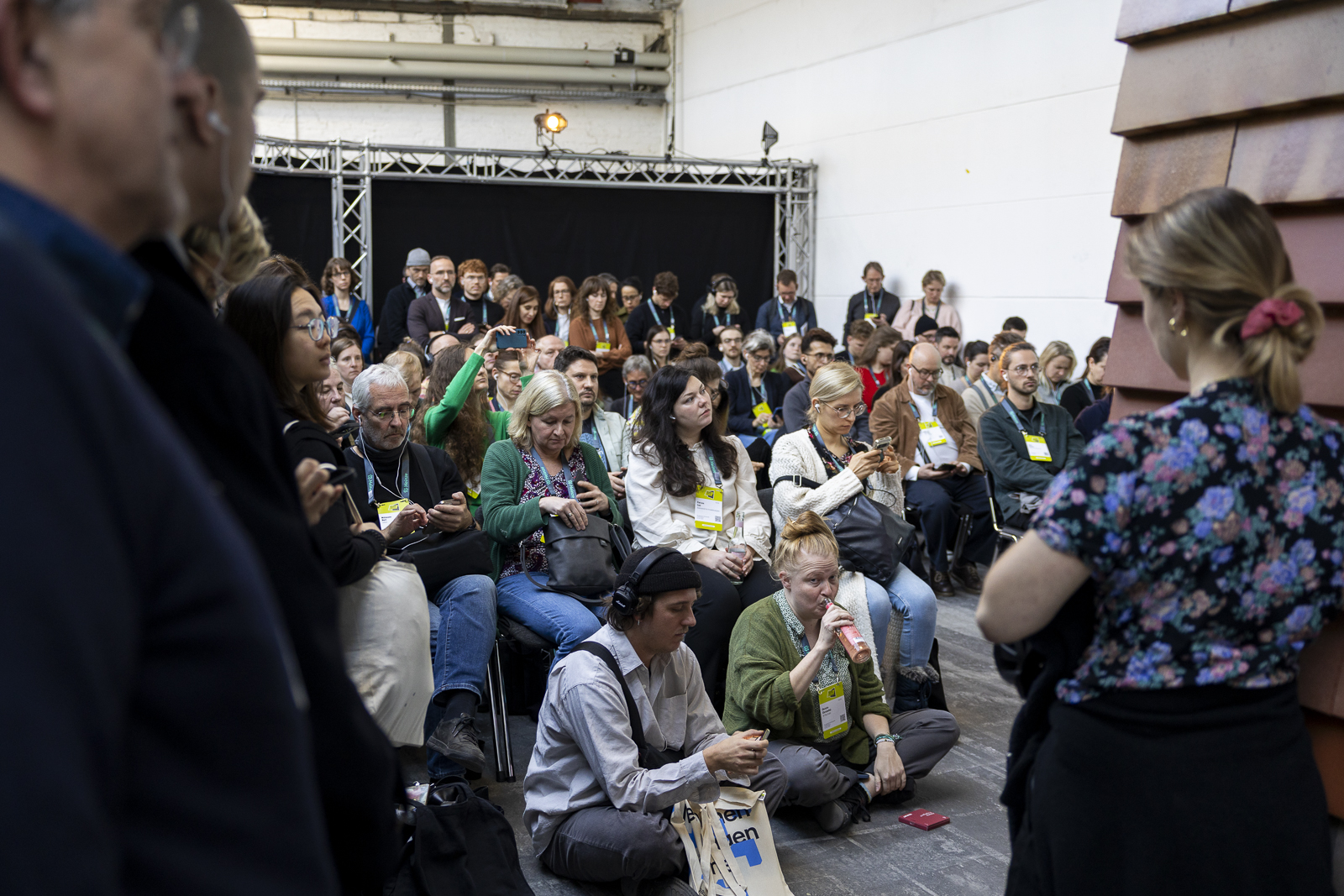
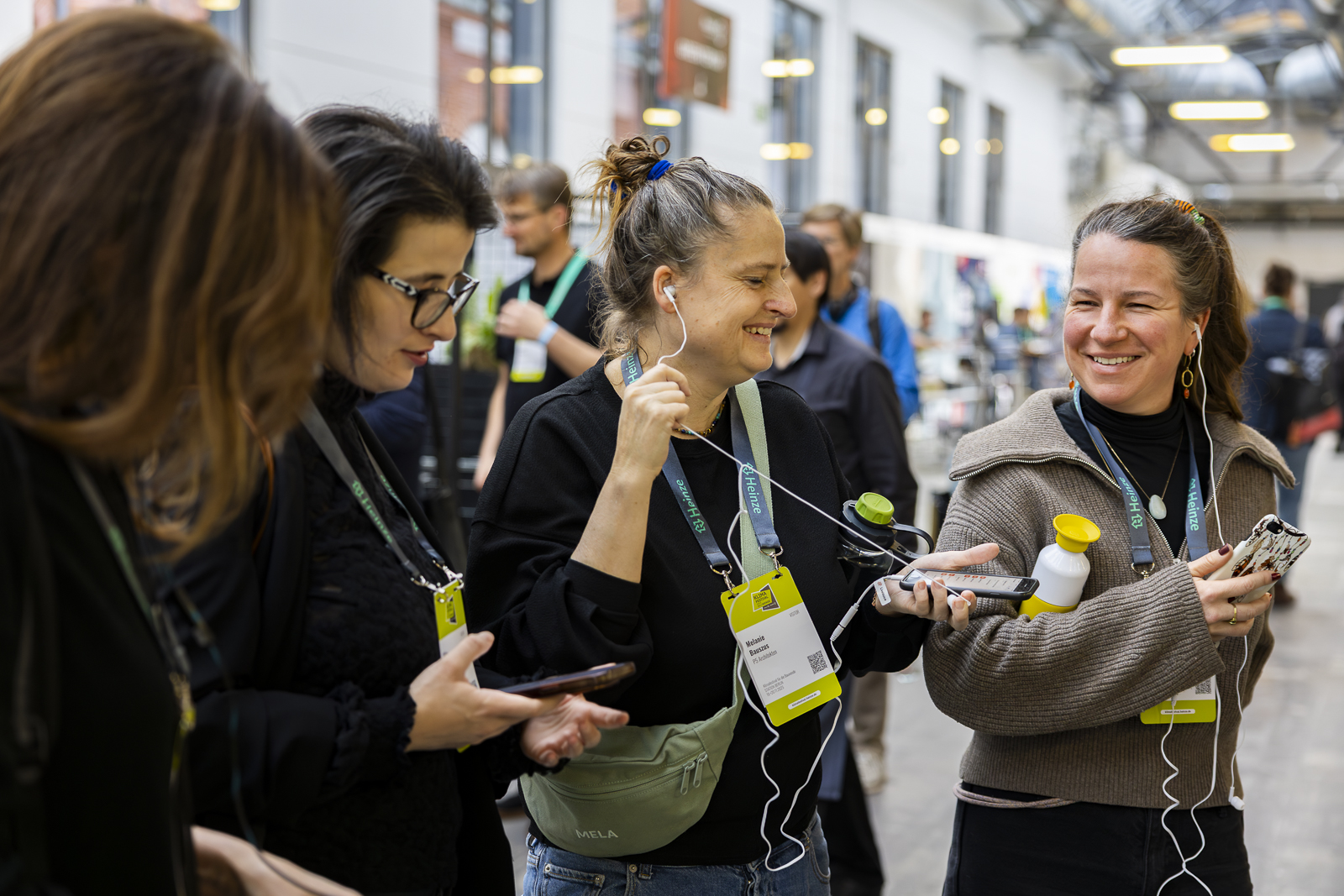
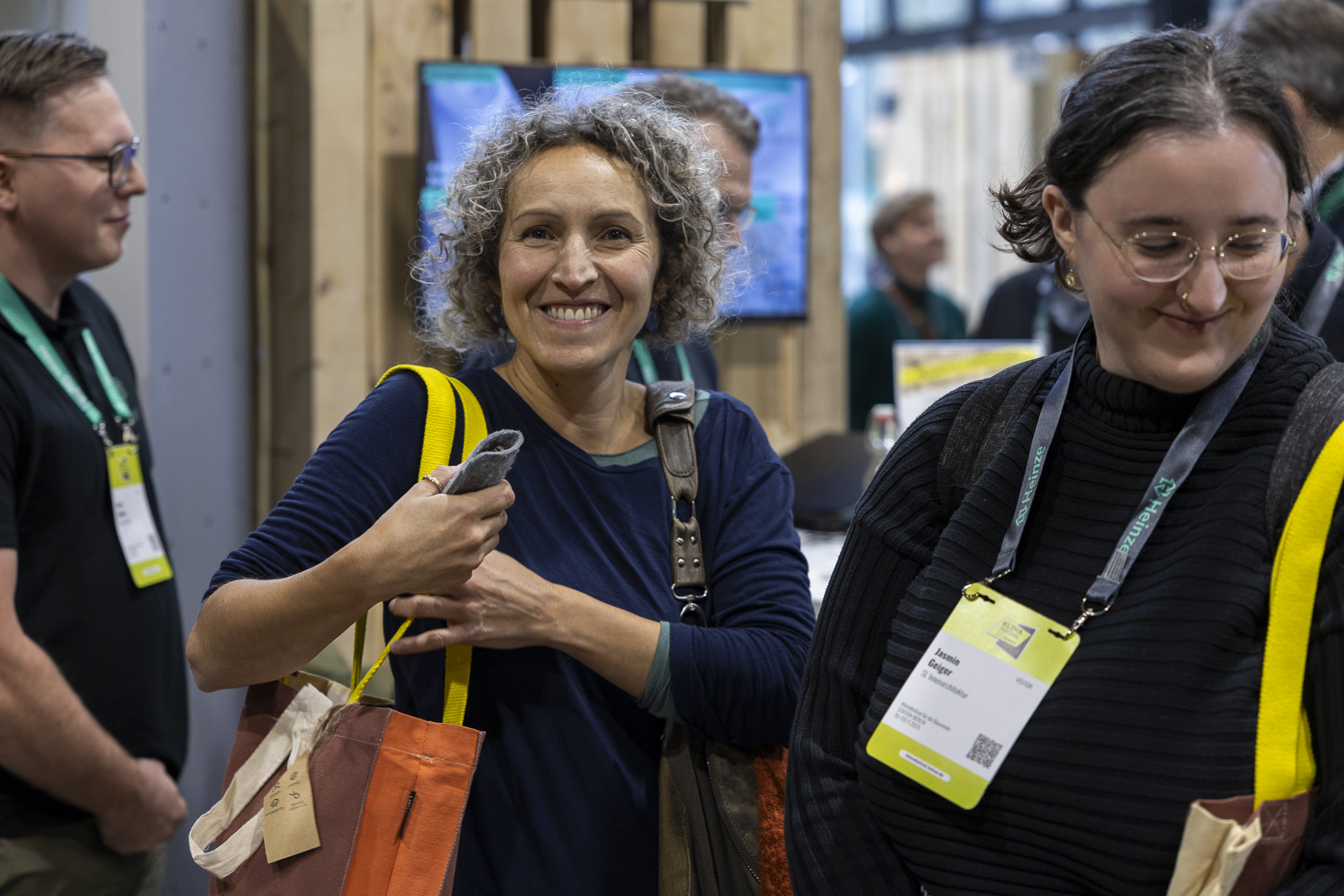
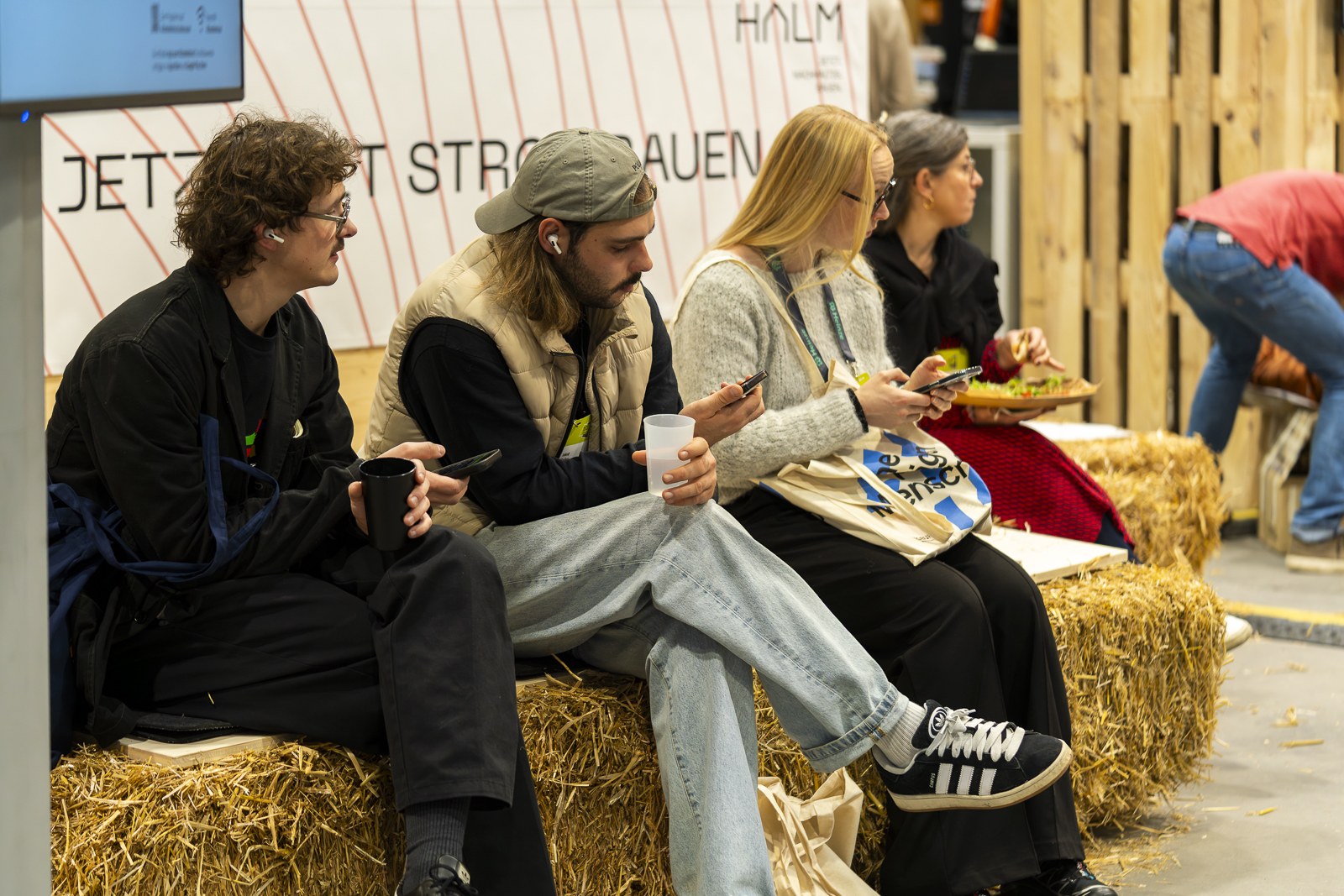
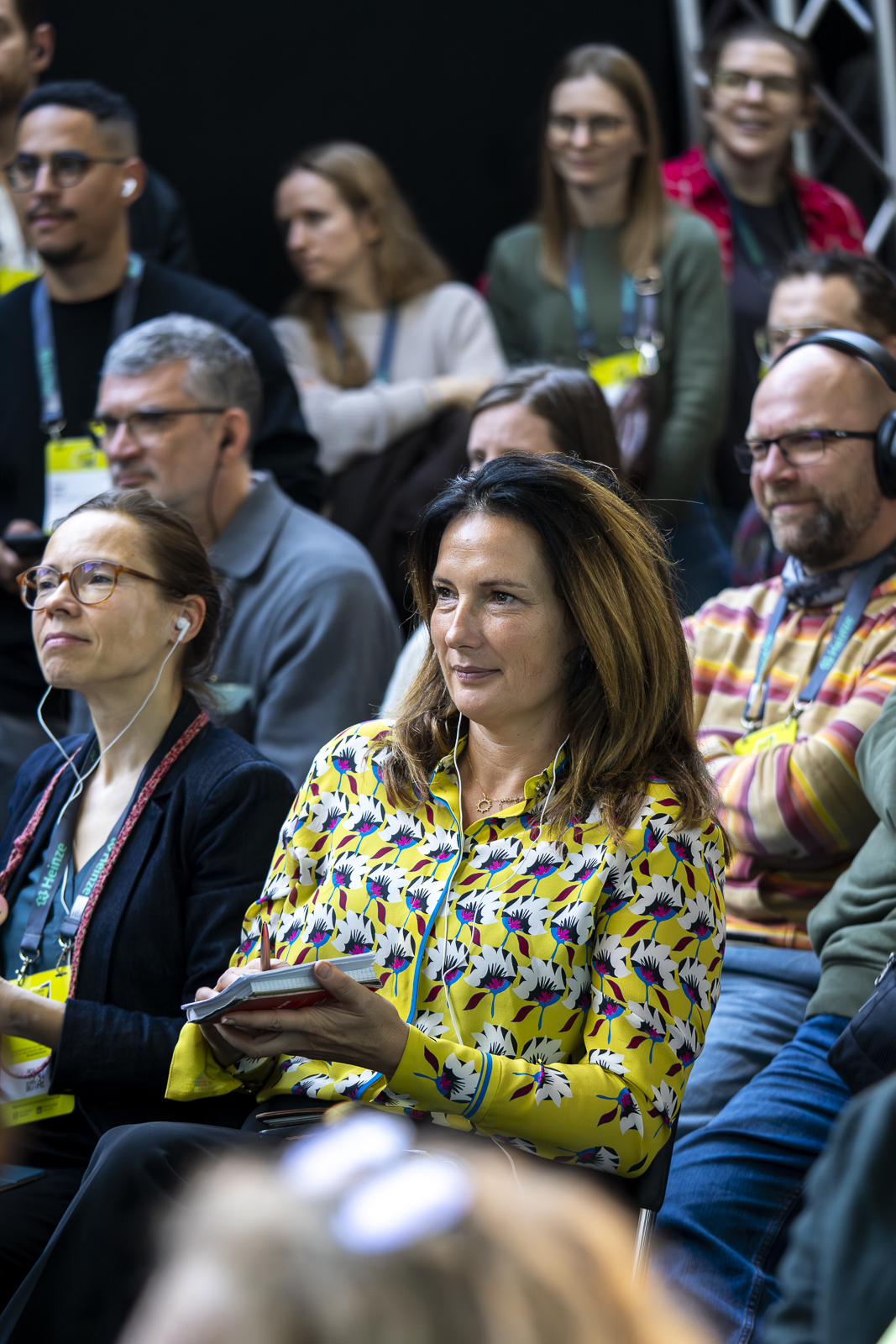
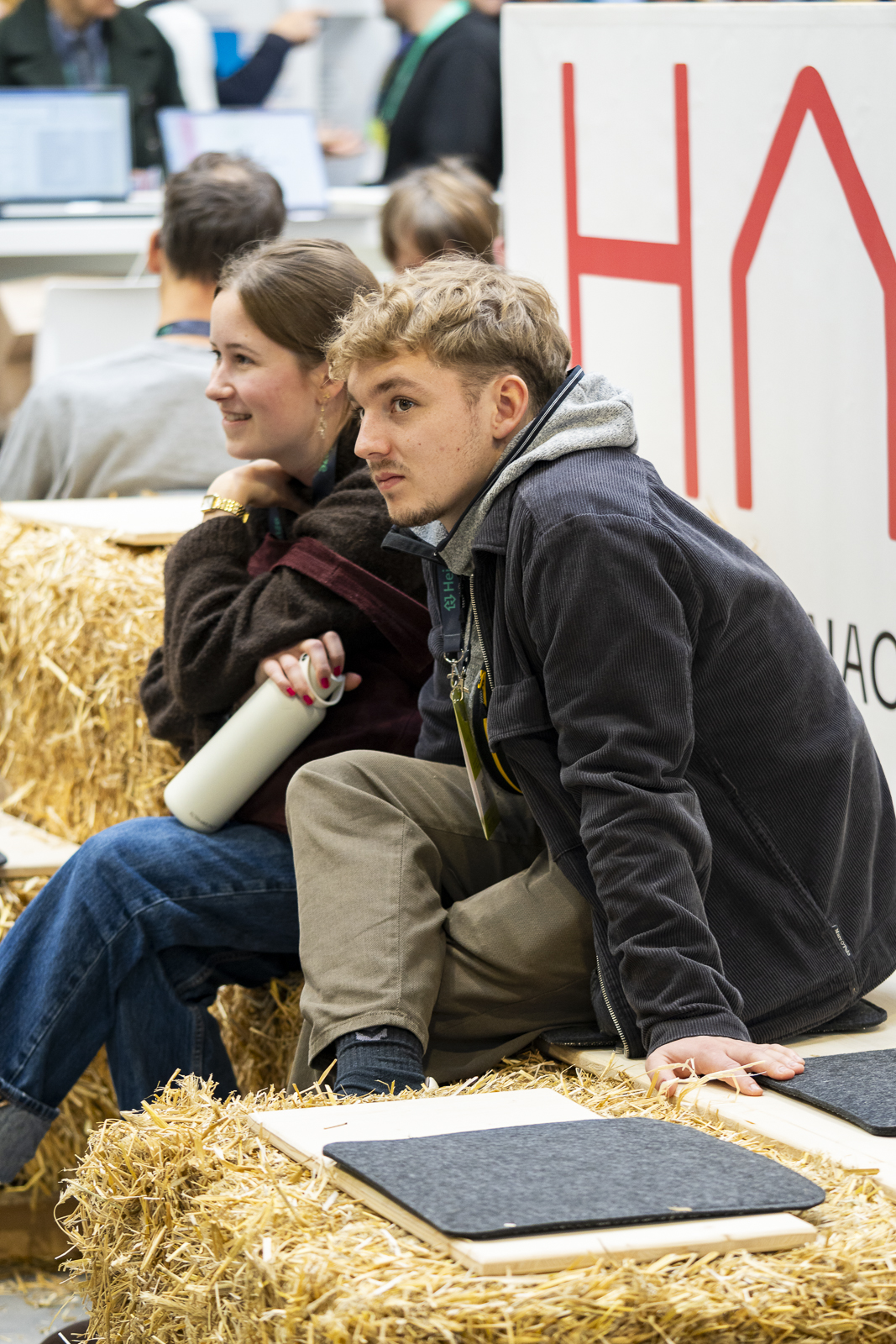
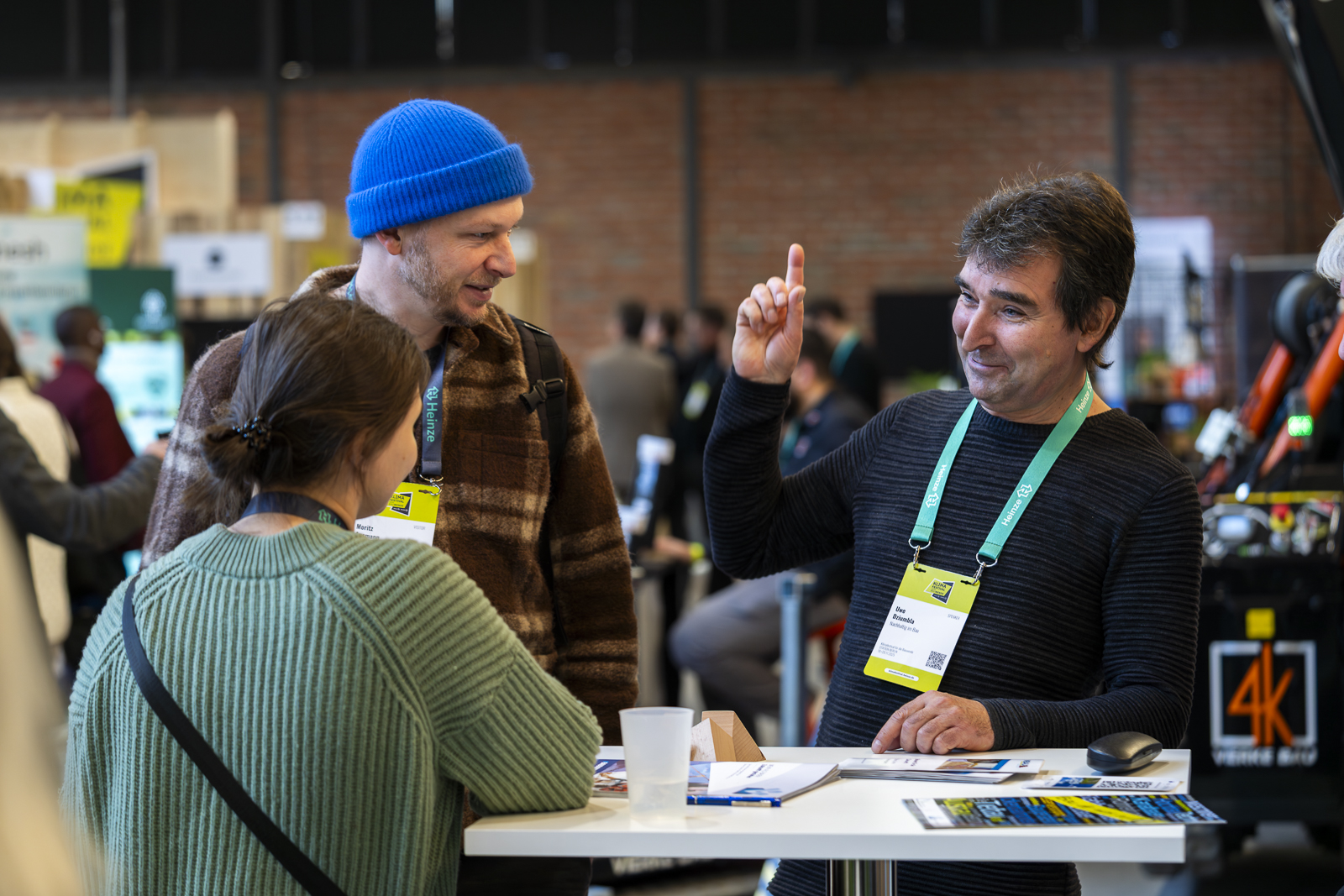
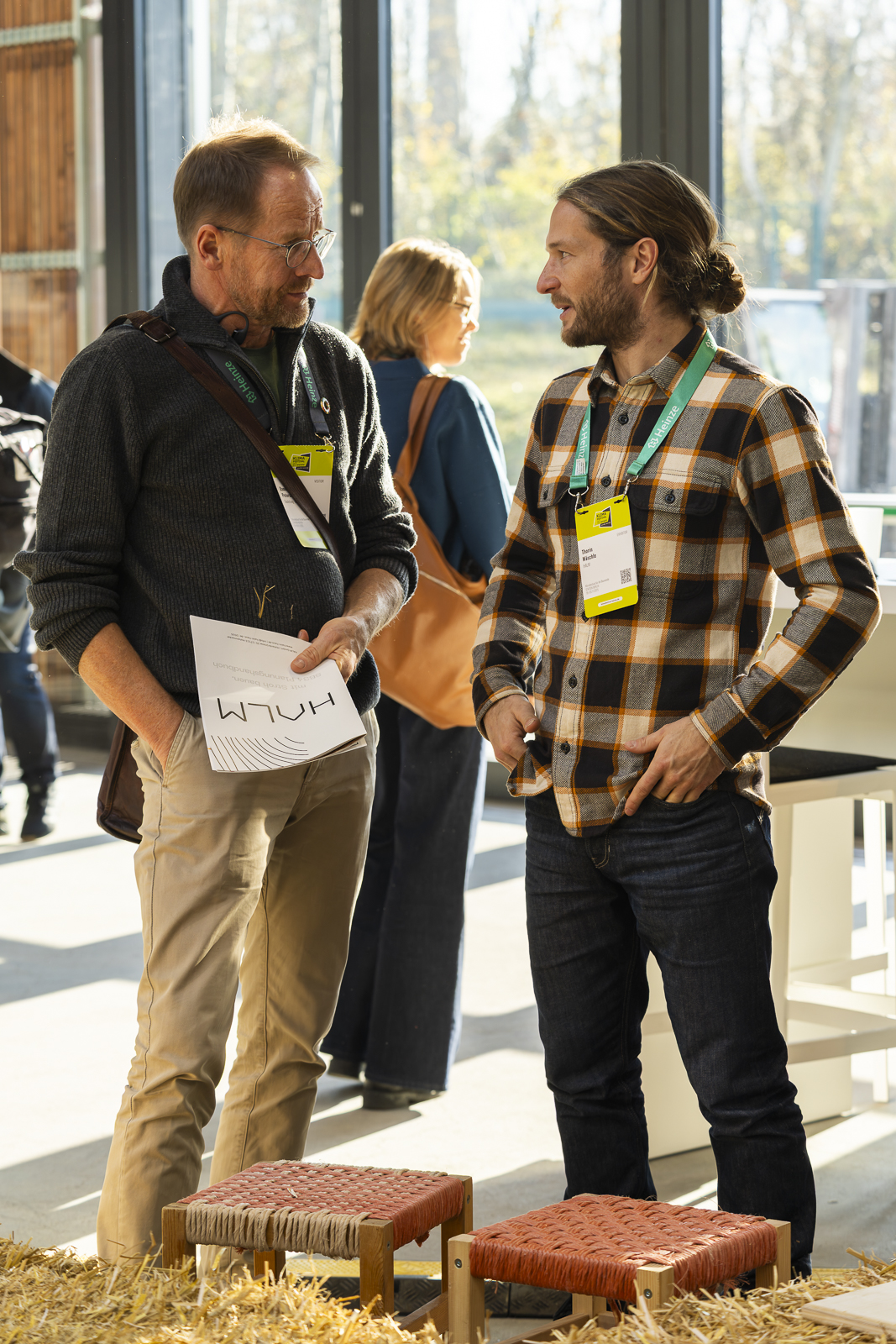
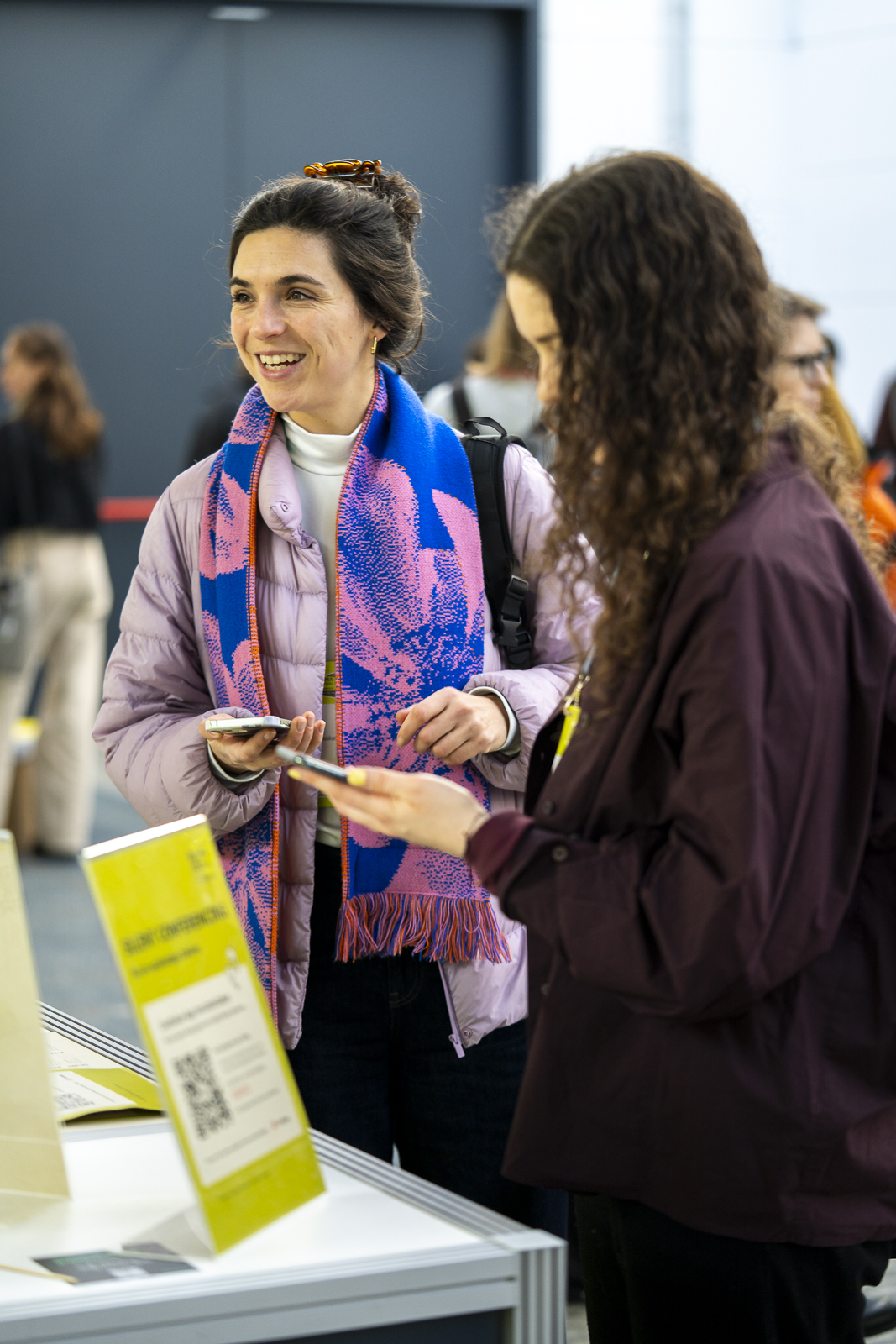
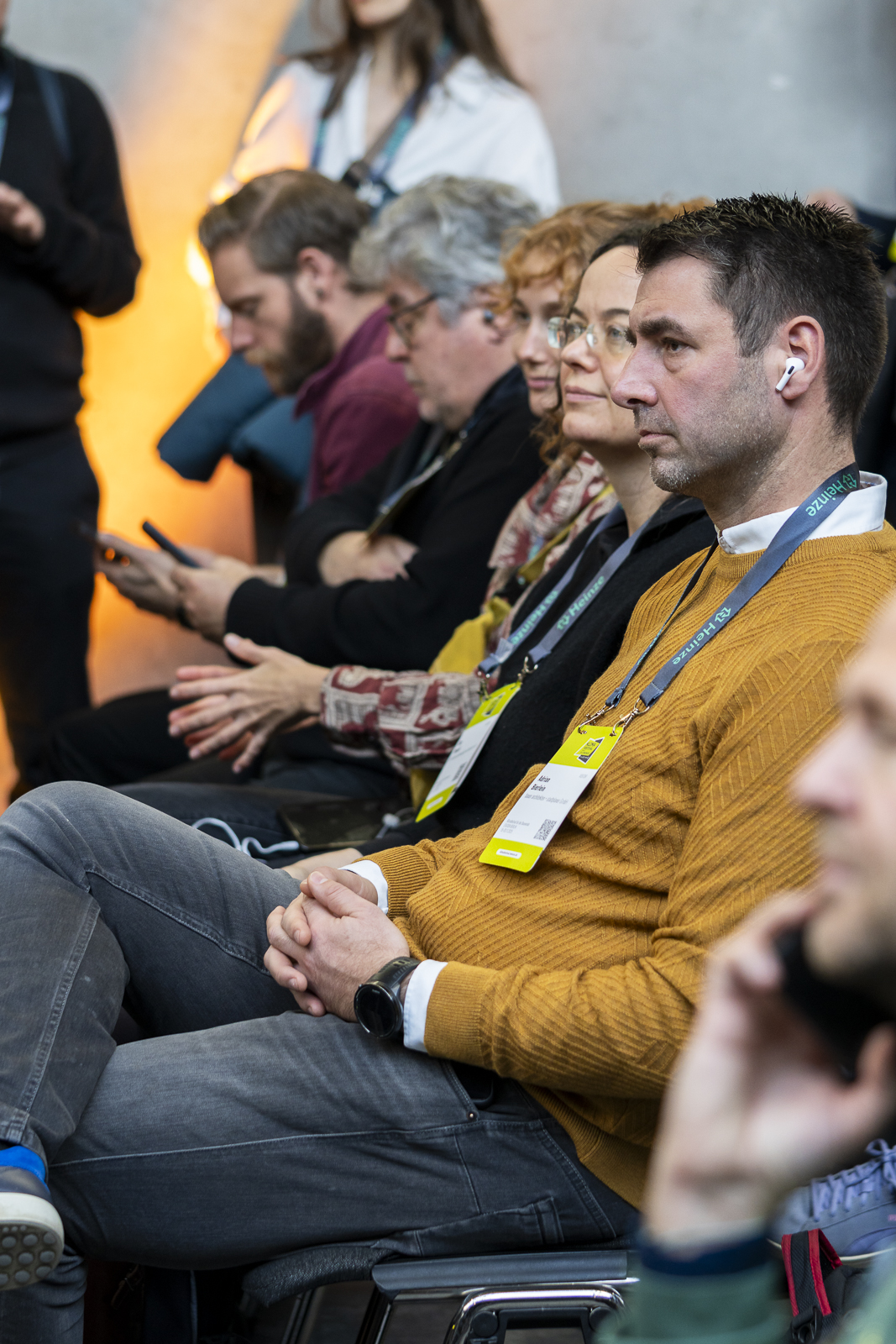
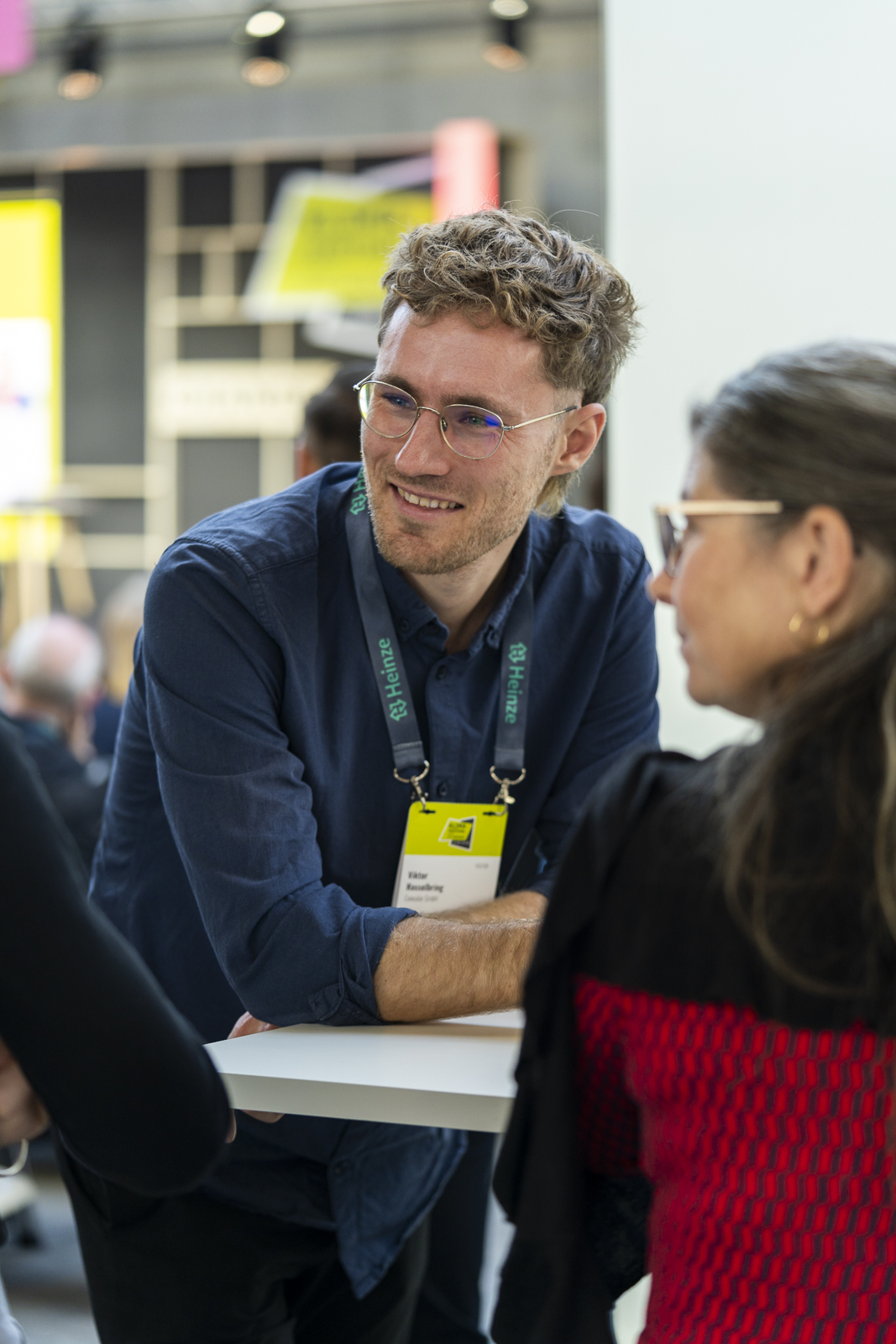
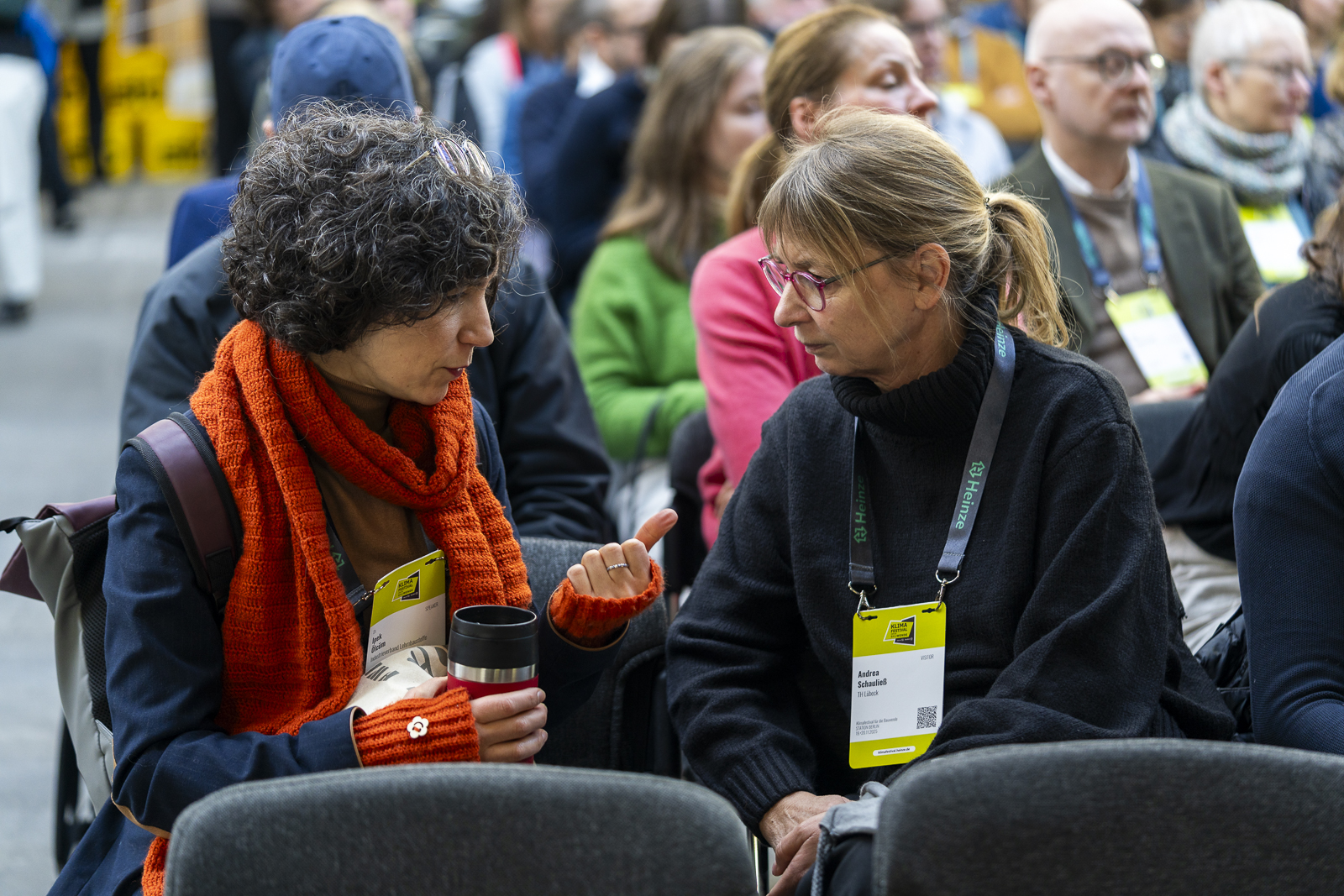
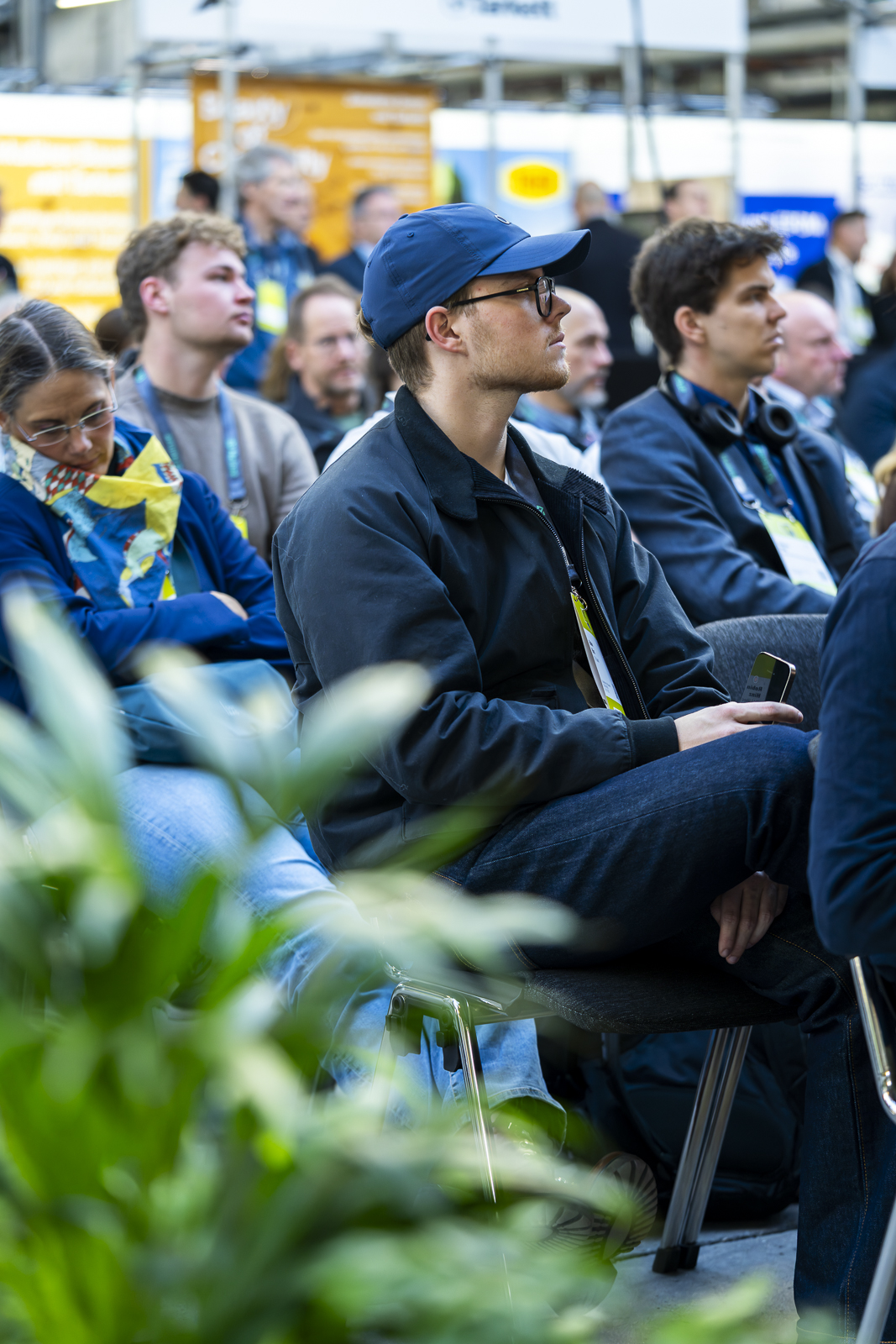
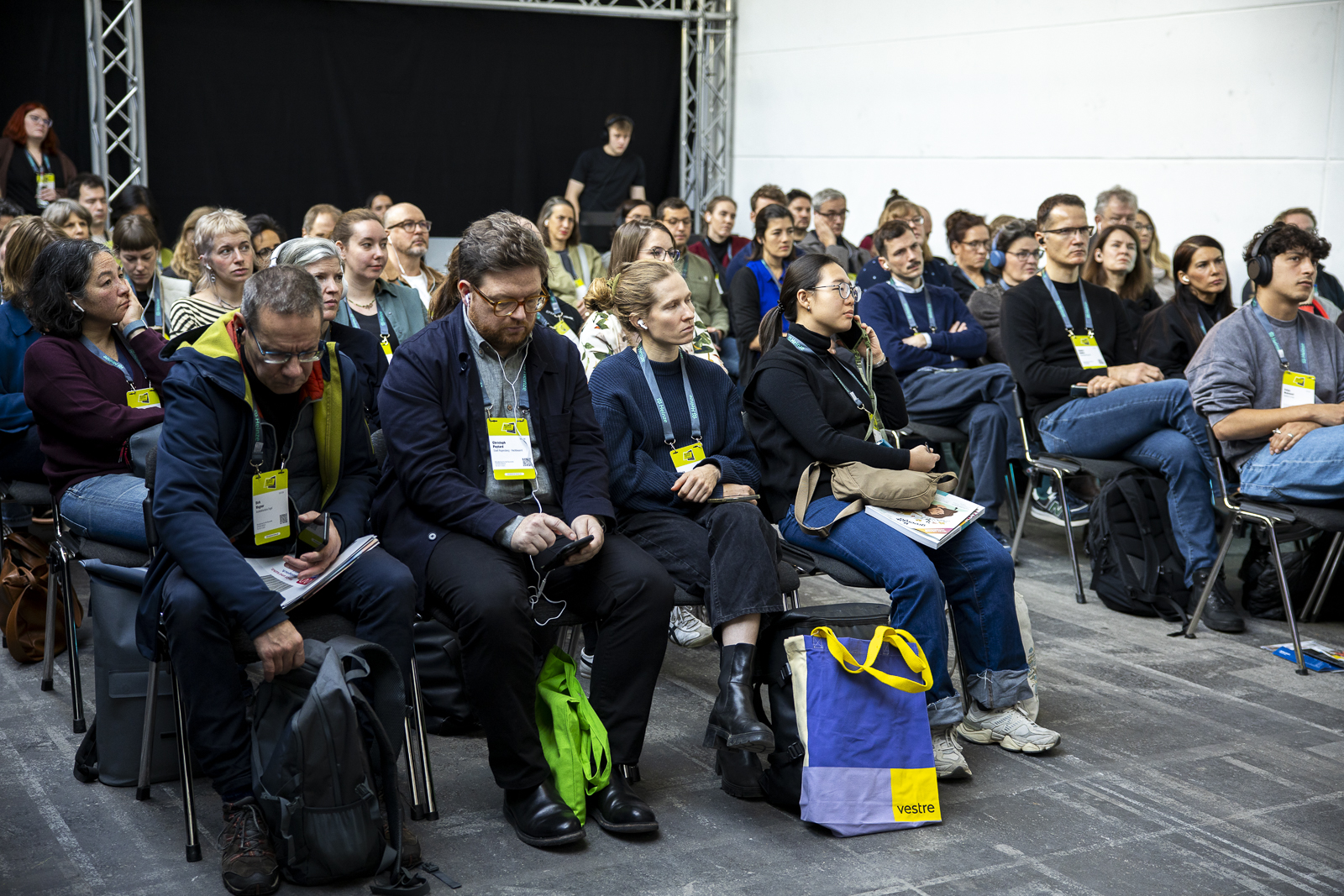
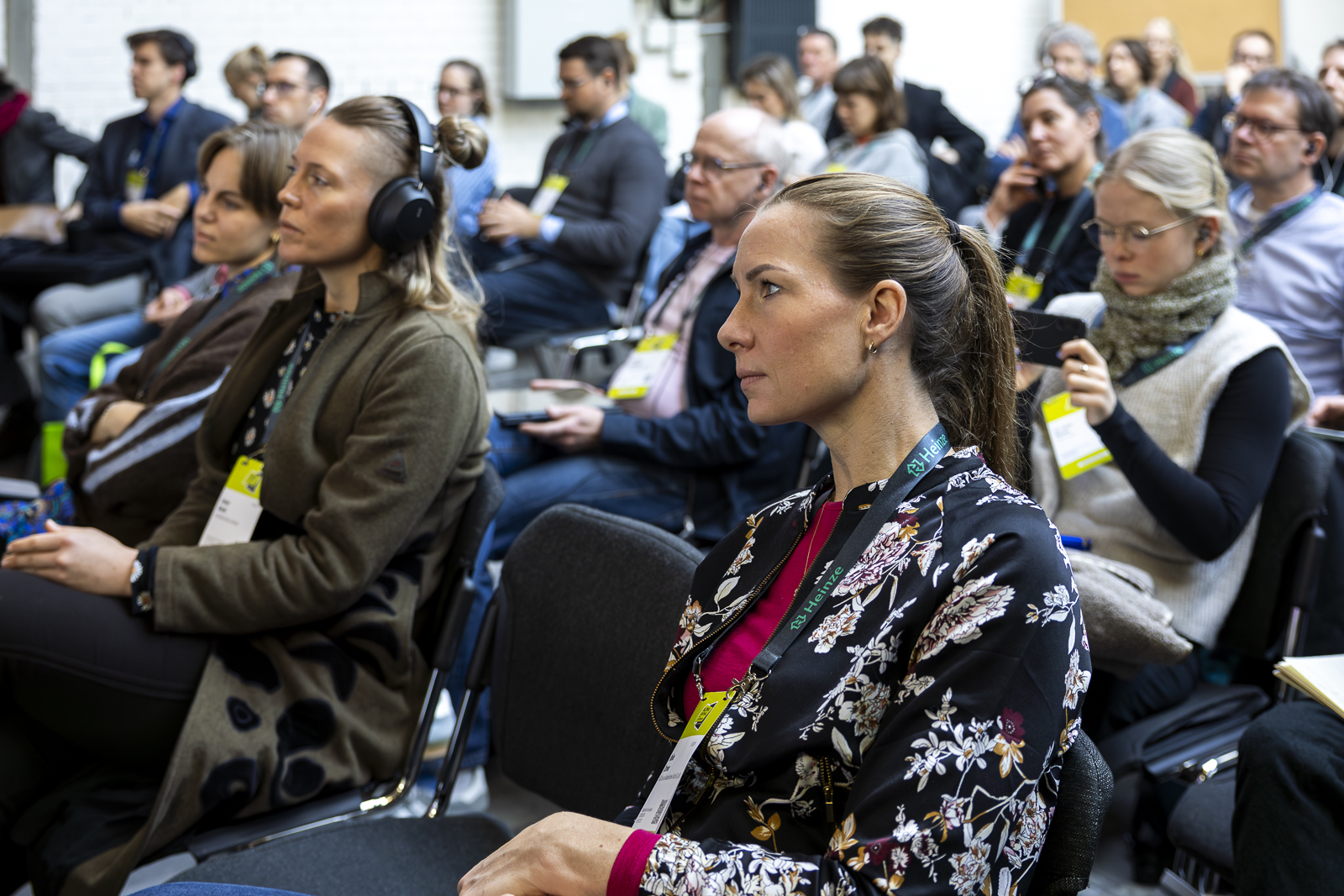
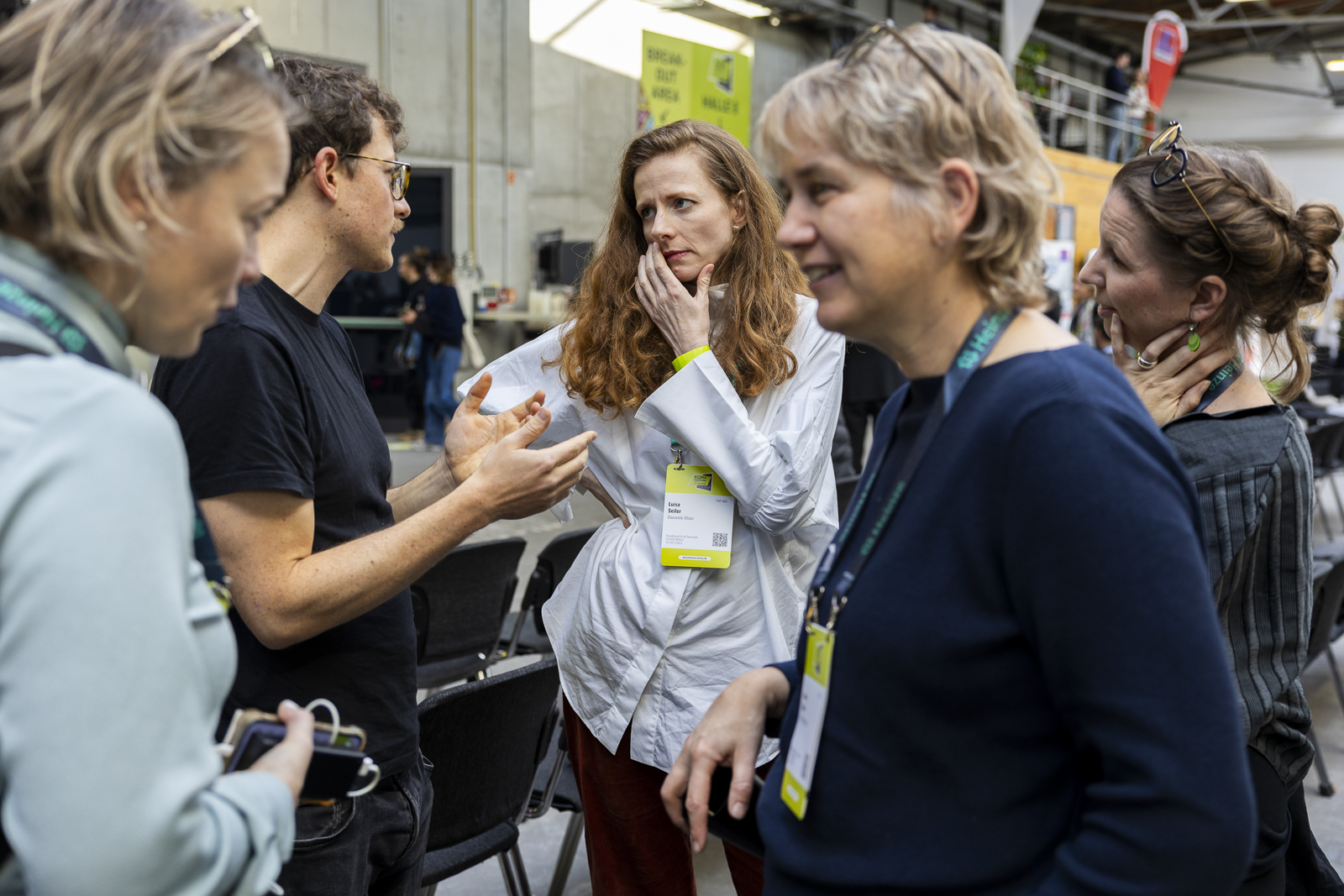
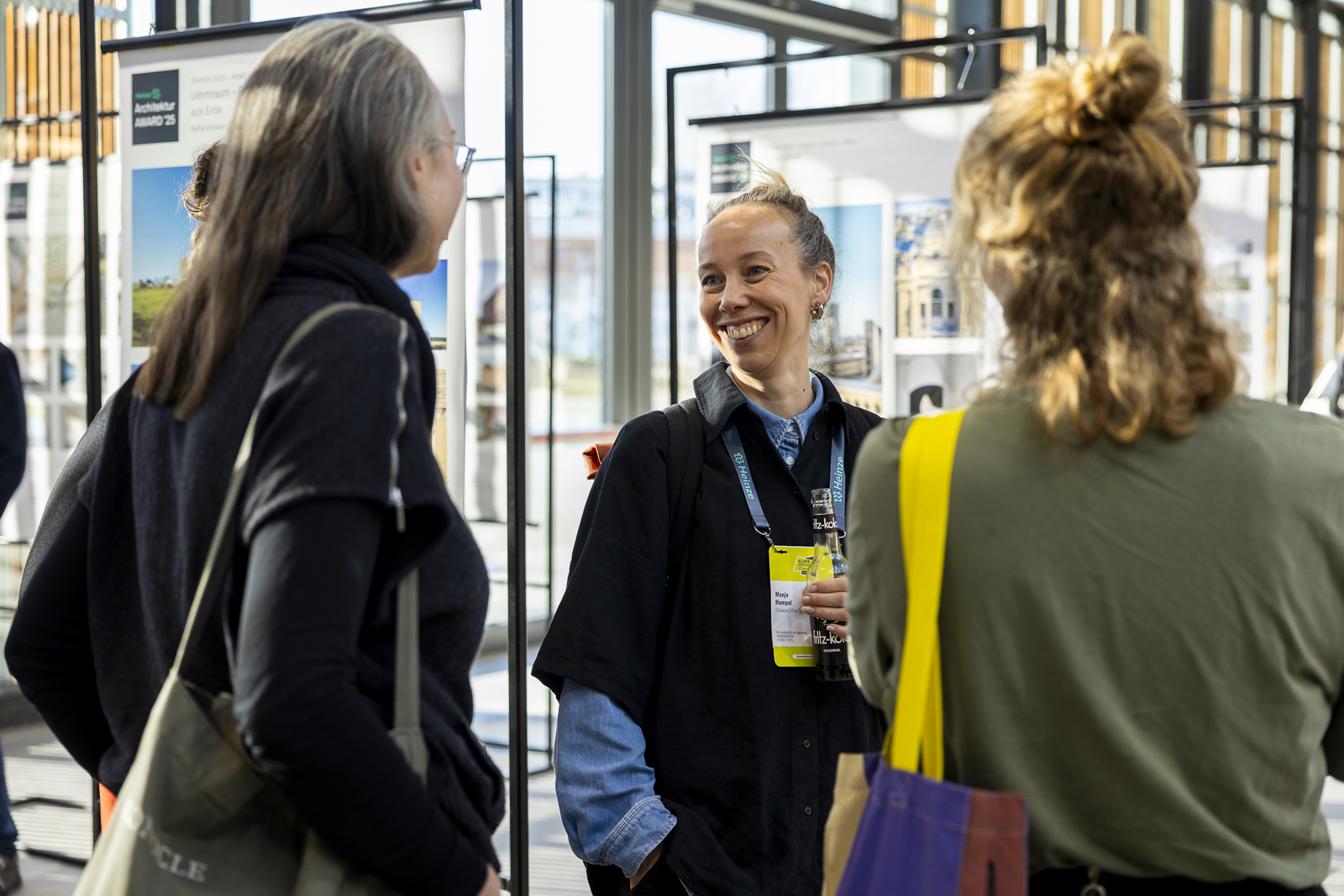
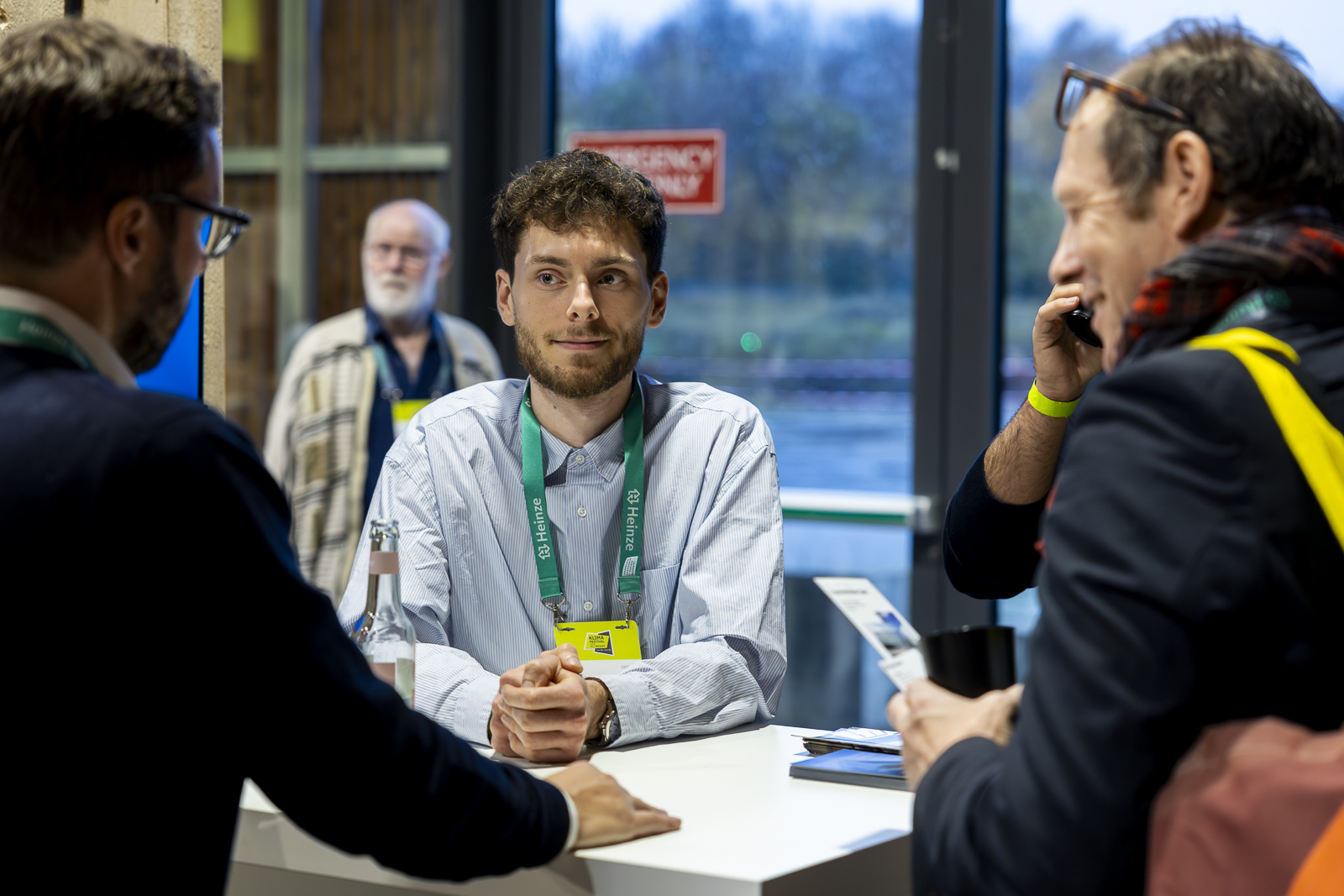
The festival atmosphere was characterized by curiosity, a willingness to engage in dialogue, and a palpable desire to actively shape change. Visitors entered into conversations, contributed new perspectives, and didn't shy away from disagreements. These lively debates made it clear that open exchange is a crucial driver for a bold and determined transformation in the construction industry.
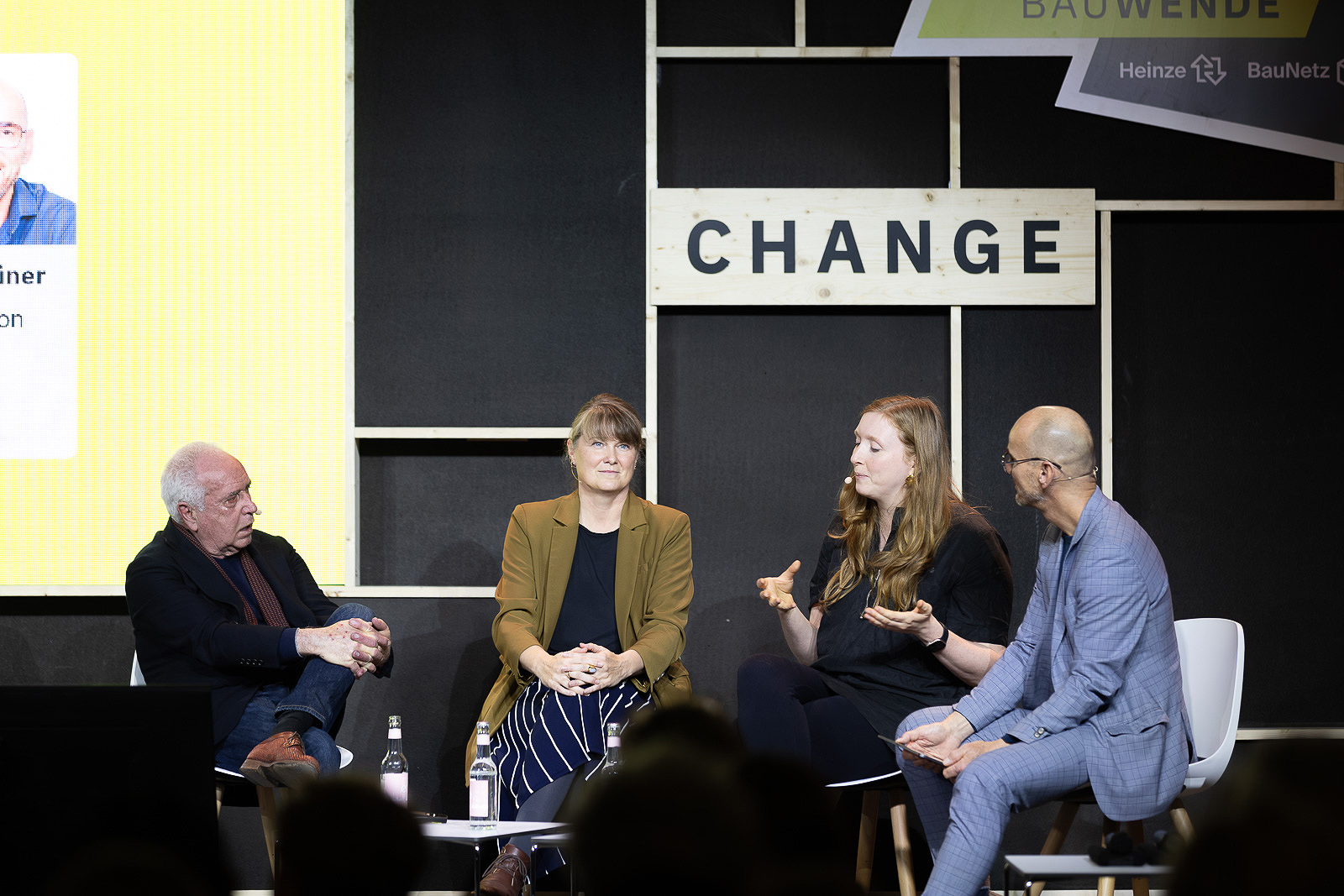
A conclusion that leaves a lasting impression
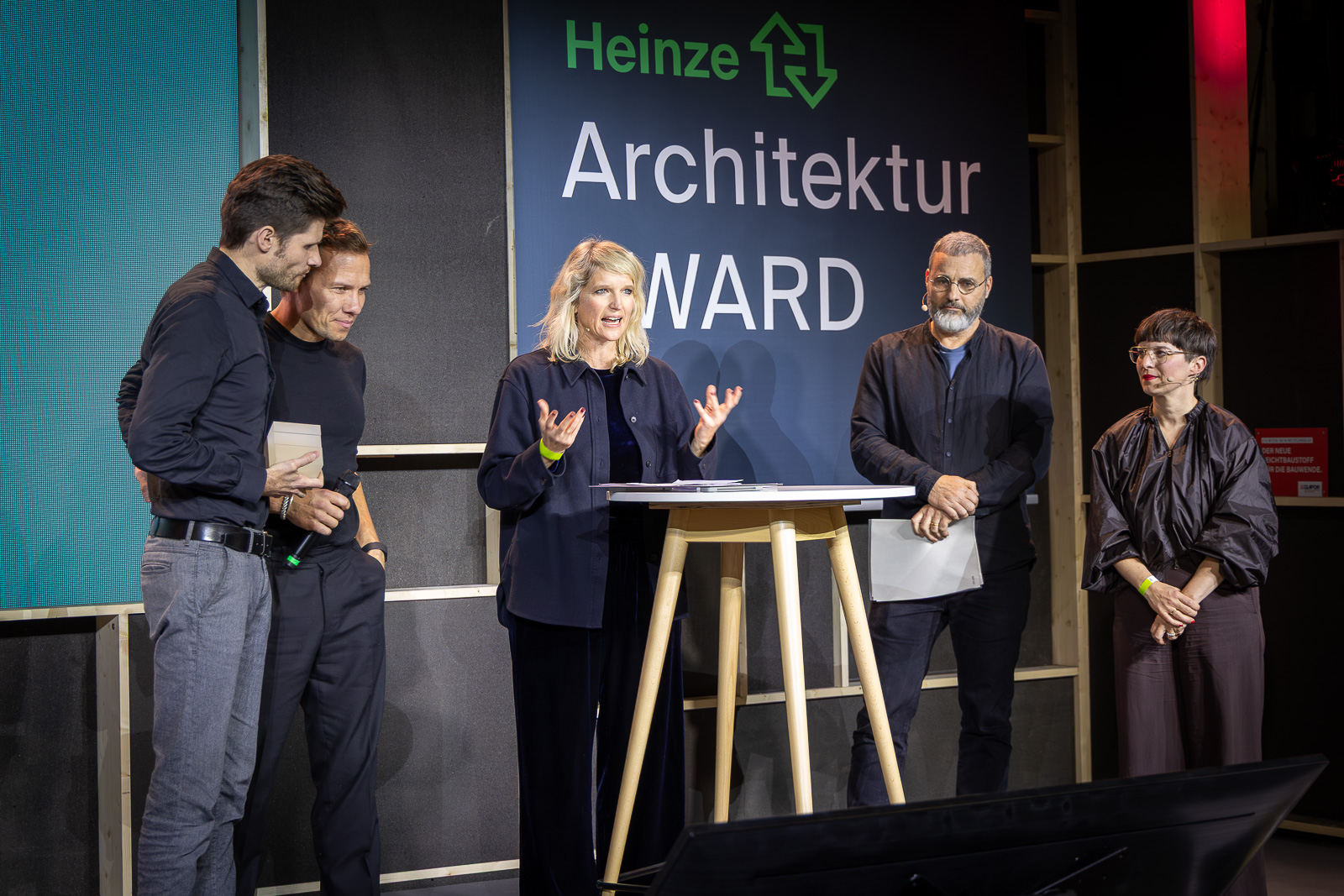
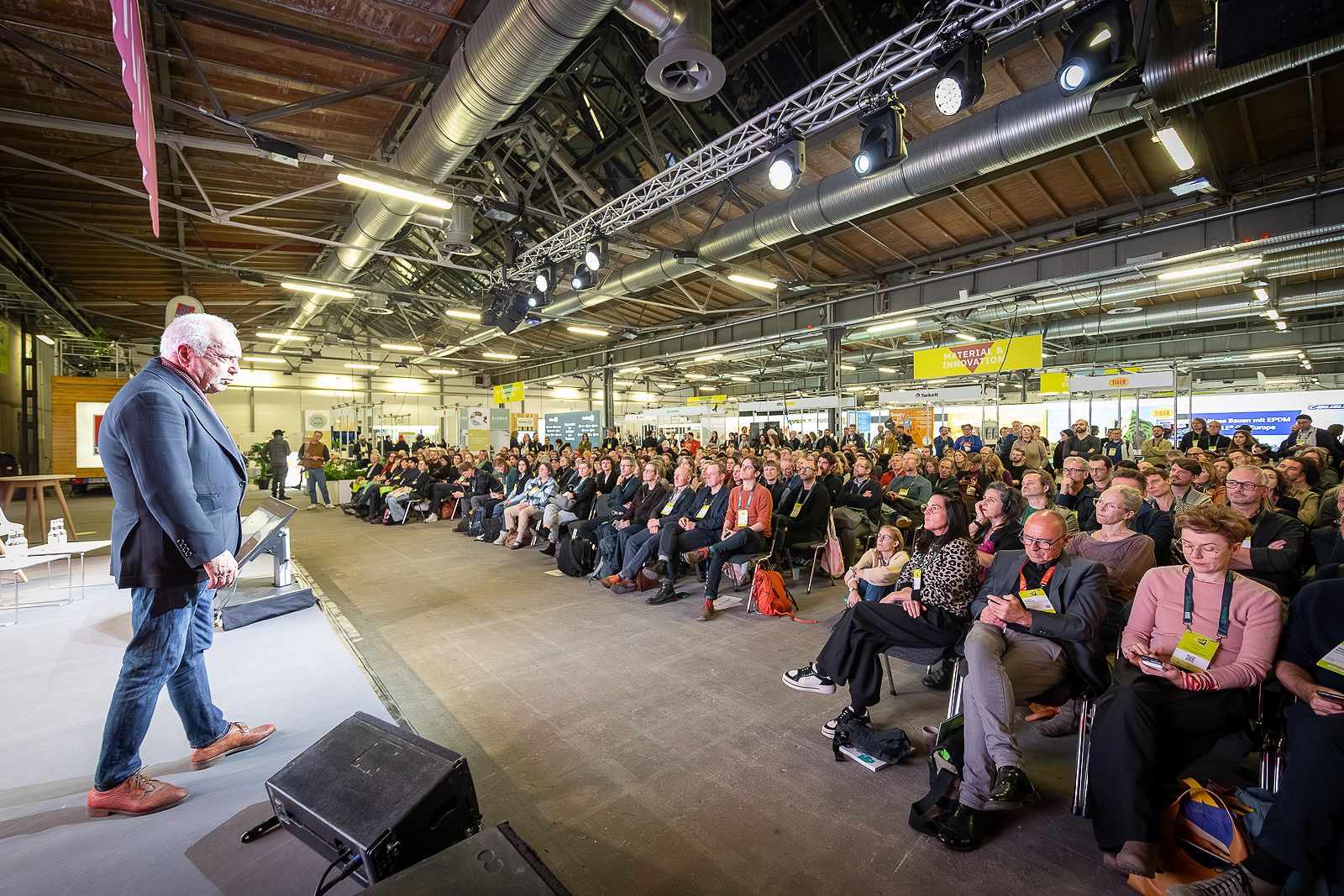
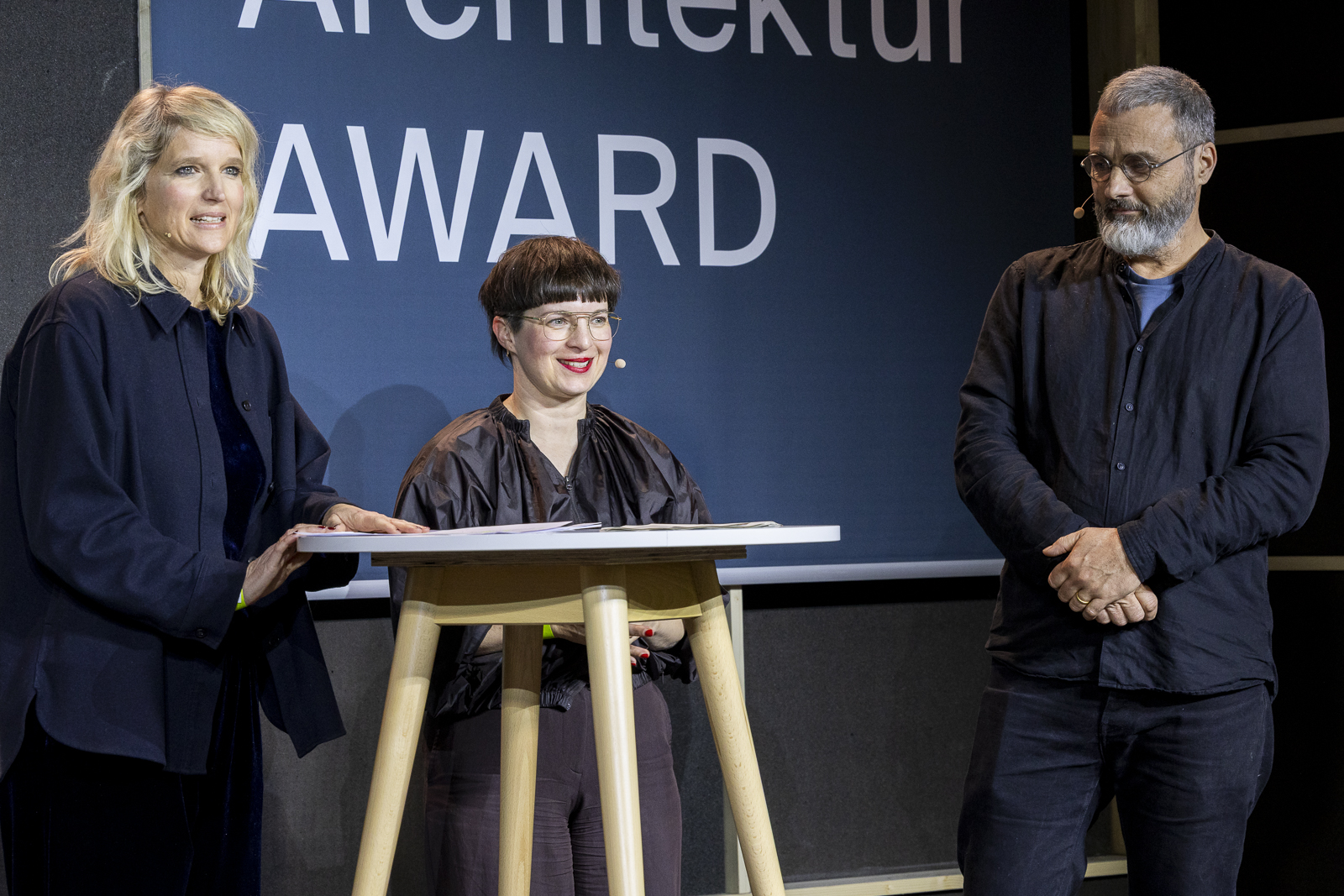
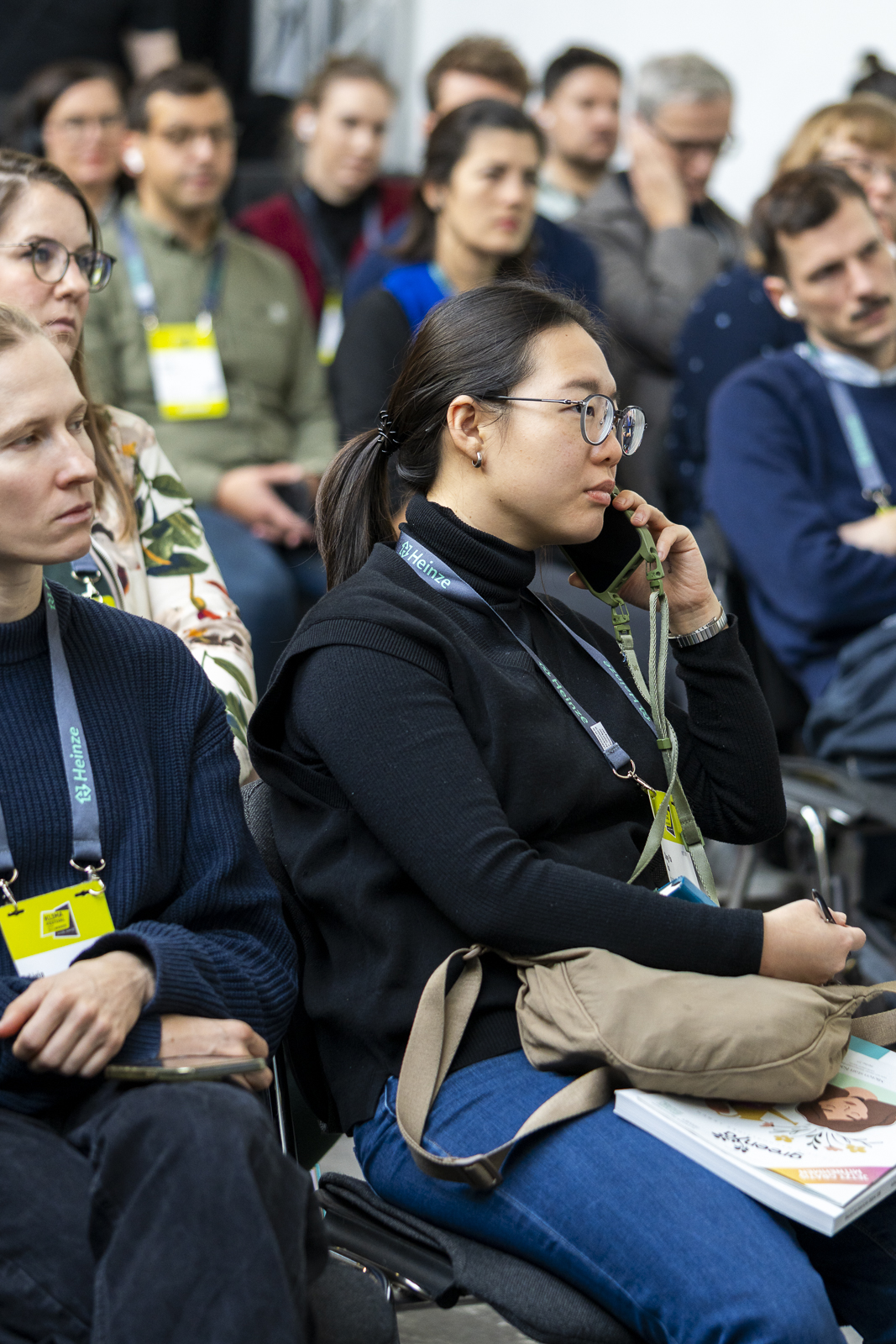
After the final panel discussion with Wiebke Ahues, Nora Sophie Griefahn, and Prof. Dietmar Eberle, the rooms slowly emptied on Thursday evening. But one central question deliberately remained open: How much regulation is needed to reliably achieve goals, and at what point does excessive regulation hinder change? This very tension encapsulated what the Klimafestival 2025 conveyed over two days. The transformation of the construction industry is not a purely technical project. It demands a certain attitude, courage, and a new understanding of responsibility. The rich mix of inspiration, constructive debate, and genuine dialogue made it palpable that this transformation is possible. The future begins where cooperation is practiced, resources are considered in a circular economy, and the common good is placed at the center.
Recap video of the festival
Images for download
Copyright: Klimafestival for the Construction Transformation, Heinze GmbH